

Everyone go see 'Hoppers' ASAP
In Pixar's new film, humans and animals fight to block a freeway overpass that would destroy a wetland habitat. It's a brilliant climate parable.

Good morning! Today is Day 4 of my membership drive, in which I’m publishing a new story every day for five days. Here were the first three:
I need your help to keep producing Climate-Colored Goggles. If you’re reading for free, I hope you’ll consider upgrading to a paid subscription.
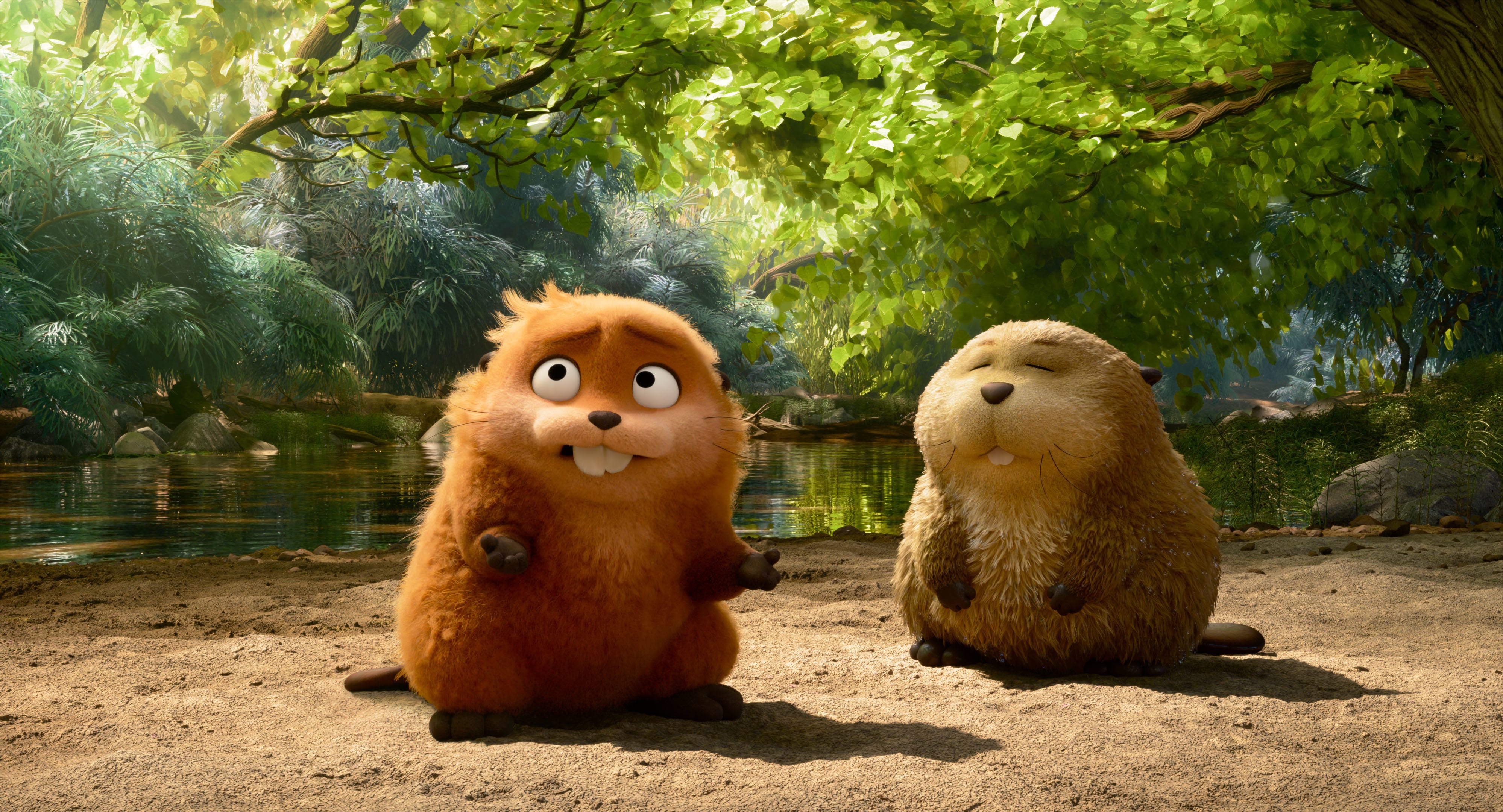
The first time I heard about “Hoppers,” I was worried.
It was 2024, shortly after President Trump’s reelection, and the Hollywood Reporter had published a story exploring Pixar’s decision to cut a storyline about a transgender character from the Disney+ streaming series “Win or Lose.” The story also referenced an upcoming movie, “Hoppers.” It cited a former Pixar artist who said the filmmakers were “forced to downplay its planned message of environmentalism.”
“Hoppers” was released last weekend — and Disney-owned Pixar now admits that it toned down the film’s environmental message. The Wall Street Journal quoted a Pixar executive as saying that before the changes, it “felt like a message movie.”
Folks, I went to see “Hoppers,” and I’m pleased to report that it was wonderful. So much joy, so much pathos and above all a beautiful environmental message.
Quick plot summary: A college student named Mabel Tanaka (Piper Curda) wants to stop Mayor Jerry Generazzo (Jon Hamm) from building a freeway overpass through a serene forest glade, where animal-loving Mabel used to sit quietly with her grandma, listening to the sounds of nature and working through her anger issues. Jerry was only able to secure a permit for his freeway (yes, this is an animated movie for families that deals with infrastructure permitting!) because there was no wildlife left in the glade — no beavers, no frogs, no nothing.
So what does Mabel do? She discovers that one of her college professors has invented “hopping” technology that lets humans “hop” their consciousness into lifelike robotic animals. Mabel commandeers the tech and transfers her consciousness into a robotic beaver, then sets out to recruit a real-life beaver to reclaim the glade. Because beavers are a keystone species, they’re the key to rebuilding a thriving wildlife population that will make it impossible for Mayor Jerry to build his overpass.
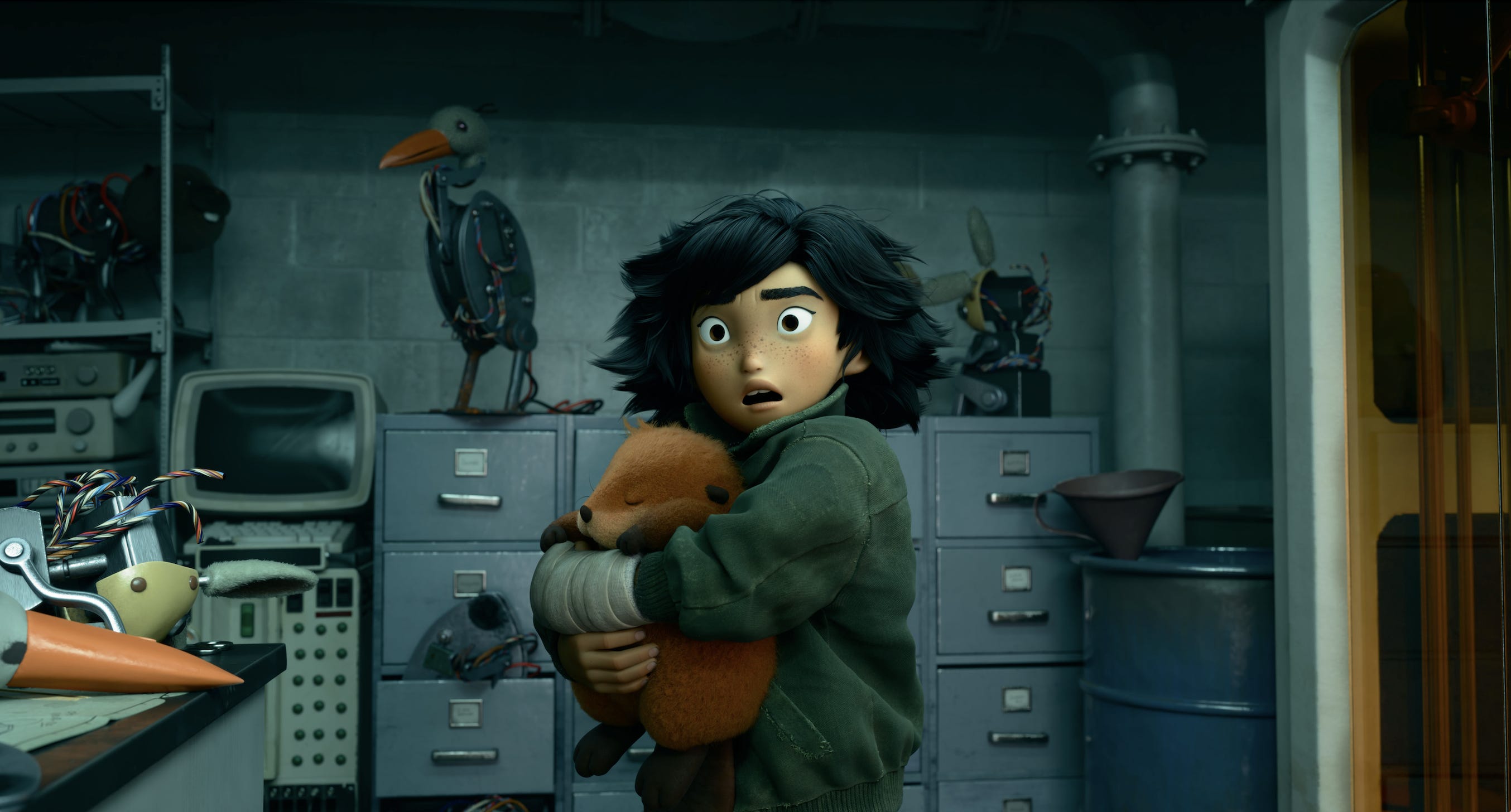
The whole thing is wacky, heartrending and wildly relevant to modern environmental discourse. Human development butting up against biodiverse animal habitat? A literal freeway as the instrument of destruction? It’s a good thing I was sitting in the back of the theater, because I kept pulling out my phone to take notes — like when Jerry brags about how great his newly completed freeway will be.
“Ta-da! The Beaverton Beltway. Getting you where you need to go up to four minutes faster,” he says.
That’s not the only time “Hoppers” pokes fun at the absurdities of car culture. Jerry’s beloved freeway, which he sees as a ticket to reelection as mayor of Beaverton, runs in a loop around the city, “connecting Beaverton to itself.” In a mid-credits scene, several animals crack jokes about how much humans love big cars and traffic.
It’s not all surface-level gags: When Mabel discovers that Jerry broke the law to get his freeway permit, he lashes out at her, snarling without a trace of humor, “What law?”
Some of the most thoughtful scenes ask whether people can be trusted to care for the natural world, or whether they’re irredeemably selfish — and incapable of seeing how the human and natural worlds are one and the same. At first, Mabel isn’t hopeful. Her beaver friend King George (Bobby Moynihan) is more optimistic.
“I was so happy that this was the story [Pixar] ended up telling,” said Emily Fairfax, a geography professor and ecohydrologist at the University of Minnesota.
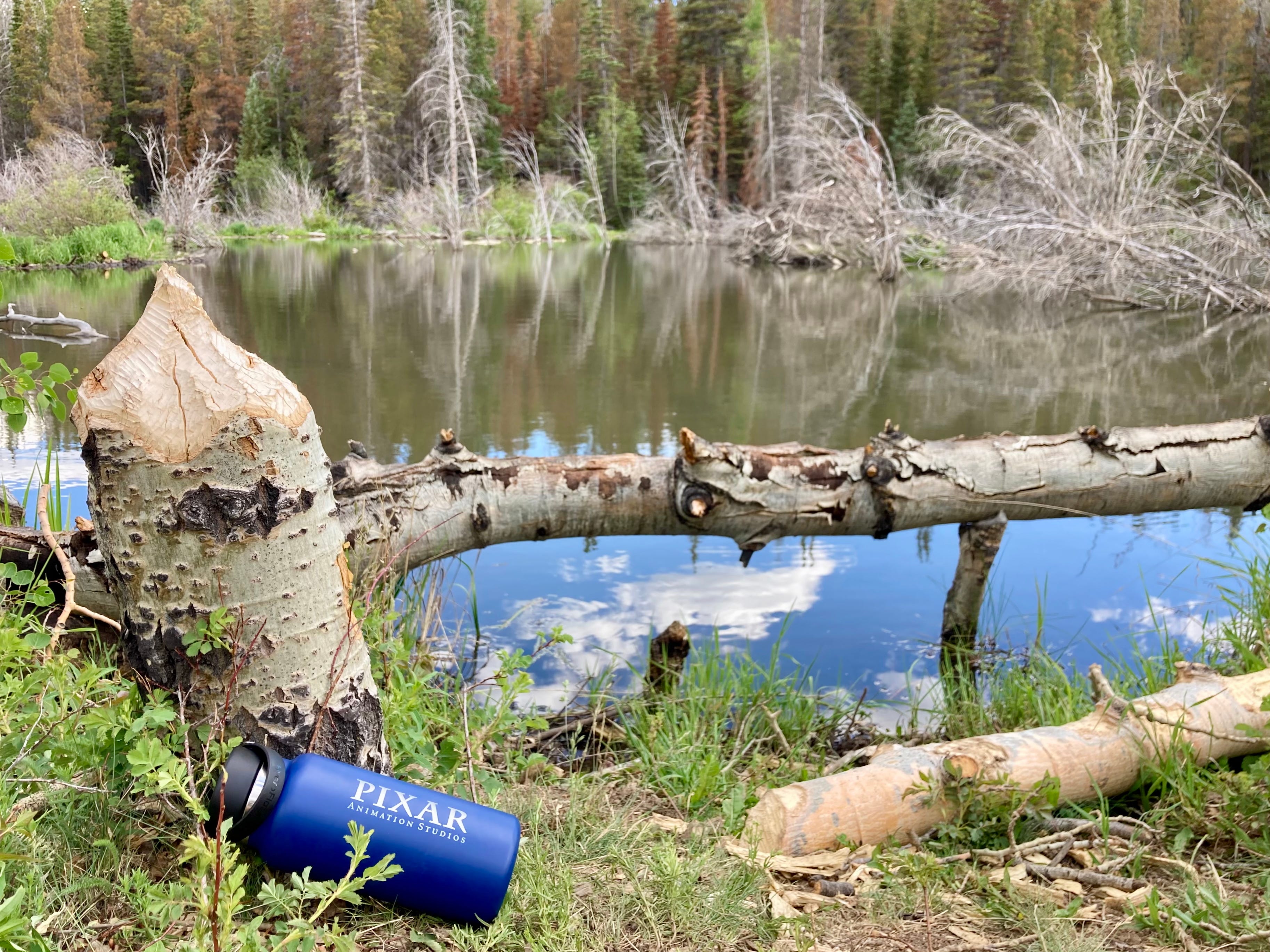
Fairfax is a beaver expert who consulted extensively with Pixar on “Hoppers.” She spent five years working with director Daniel Chong as well as animators and other artists, helping them portray beavers and their wetland ecosystems as accurately as possible. She took Pixar staffers to field sites in Colorado and Wyoming, and showed them three years of camera footage from ponds that she monitors in California’s San Luis Obispo County.
The artists did a good job. At one point, the Pixar team showed Fairfax a rendering of willows that was so lifelike it could have been one of her study sites.
“I was absolutely beyond impressed,” she told me.
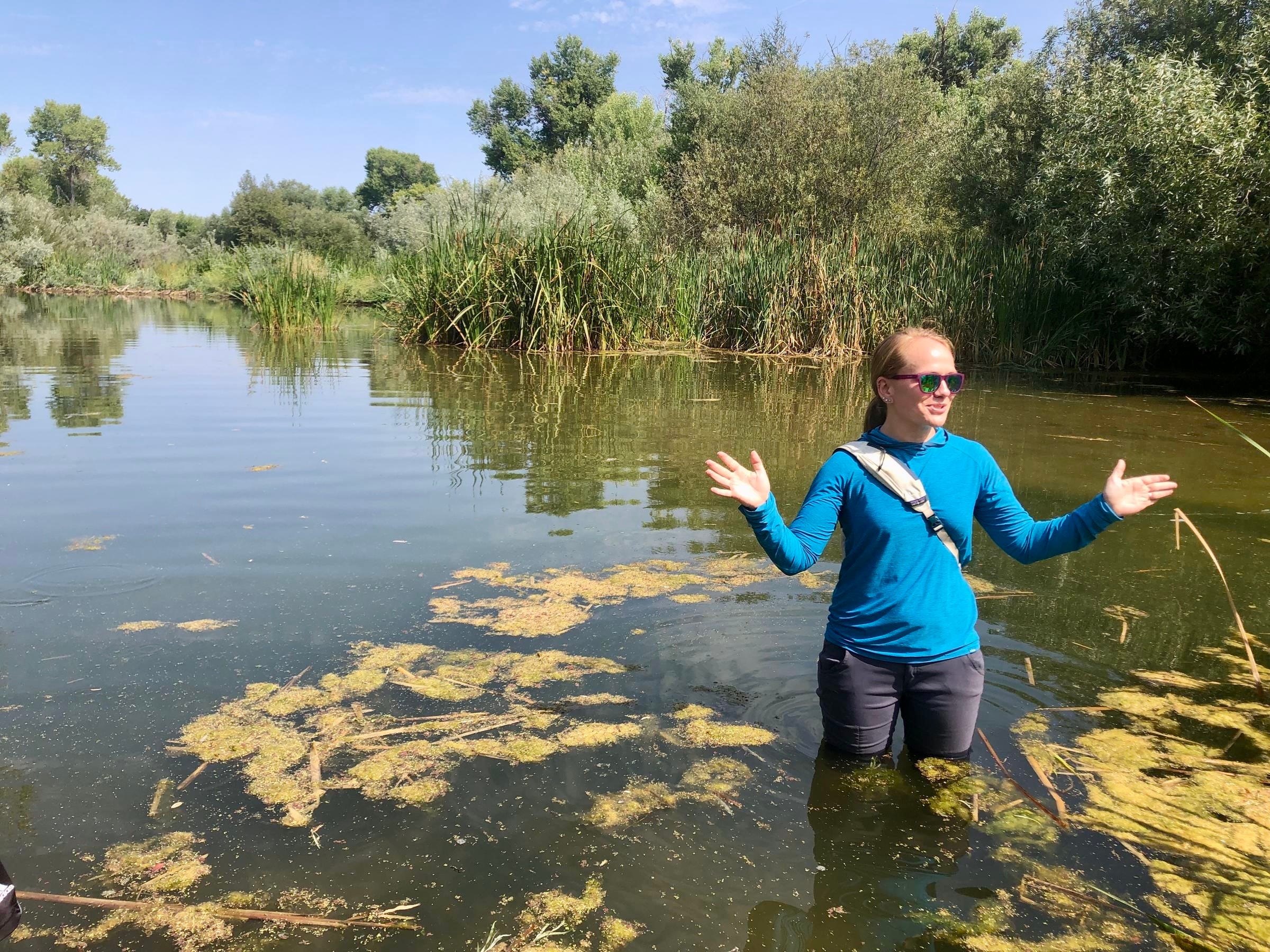
Fairfax loved the movie’s environmental message because humans are the No. 1 threat to beavers, and to the habitat they share with so many critters — lizards, skunks, owls, raccoons, deer, owls, herons and more, all packed into wetlands that store spectacular amounts of carbon, limiting global warming. She appreciated how “Hoppers” shines a light on the dangers of unchecked development, and how Mayor Jerry — spoiler alert! — comes to learn that people can’t survive without animals.
That certainly includes beavers, whose ability to engineer fire-resilient ecosystems is legendary — and increasingly important in a world besieged by worsening fires, as the film dramatizes in larger-than-life fashion.
“In the end, [Mayor Jerry] realizes that protecting animals is also protecting people,” Fairfax said. “We need to partner with nature to deal with the climate crisis. We need to partner with nature to deal with the biodiversity crisis.”
“Hoppers” isn’t perfect. Jerry ultimately reroutes the freeway to spare Mabel’s glade, which sounds good until you stop and realize we shouldn’t be building new freeways at all. Living near freeways is terrible for human and animal health, which means the beavers and other glade-dwellers will still be impacted — as will Beaverton residents. Even before accounting for the additional climate pollution.
Will I always wonder if “Hoppers” was originally supposed to end with the Beaverton Beltway replaced with a biking and walking path? Yes, yes I will.
But that’s a minor complaint. Jerry may not have become a dedicated nature advocate, but Fairfax thinks he had a “light bulb moment.” Maybe next election, he’ll be ready to run on a platform of creating more parks.
“It’s very easy to let perfect be the enemy of progress,” Fairfax said. “If everyone could start acknowledging how important nature is, that would make a big difference.”
I actually wonder if Pixar executives did climate advocates a favor by toning down the environmental messaging. A light touch can go a long way. If you whack moviegoers over the head with a heavy-handed lesson, they’re liable to reject it unless they already agree with you. And if your message is so distracting that it gets in the way of telling a good story, you’re wasting your time. Nobody will remember what you wanted them to care about. The most important thing is to make people feel something.
Which is why I loved “Hoppers” — not because it was such a good climate parable, although it was, but because of Mabel, who spends most of the movie processing her fury and grief over a world she’s trying desperately to save but feels like she’s failing. During a low moment, she turns to George the beaver and asks, “Why doesn’t anyone else care?” Her despair is palpable.
But Mabel refuses to give up. She steadies herself with her grandmother’s wise words about the calming power of nature: “It’s hard to be mad when you feel like you’re part of something big.”
Leaving the theater, I felt like I was part of something big. Turns out I was. “Hoppers” brought Pixar the best opening weekend for an original animated film at the domestic box office in nearly a decade, earning $46 million in the U.S. and Canada.
If you haven’t seen the movie, check it out. And if Pixar hasn’t mapped out the sequel yet, Fairfax has a pitch: an origin story for Loaf the beaver and Tom Lizard. She thinks maybe they were forced from their original home — perhaps by catastrophic flooding, which would create an opening for another climate angle.
Me, I’d love to see Mayor Jerry recruit a solar energy developer to Beaverton, only for the developer to propose a power line through the glade. Jerry could say he’s atoning for all the freeway pollution, and Mabel could feel conflicted because she thinks clean energy is good. A few of her animal friends could hop into human bodies to learn why people are so obsessed with phones and computers and other power-hungry devices…
OK, so it needs a little work. But hey, why not dream?
I’ll look for it this weekend! I can rewrite this for Cambria, which built a water recycling - brackish water plant in Environmentally Sensitive Habitat Area. The protagonist can be a steelhead, with supporting roles for red-legged frogs, tidewater gobies, and various birds. Mabel can fight operating it, as I and others have for the past 12 years. Actual ponds from SLO County!
We just finished watching the mini series “ Our Planet” narrated by Morgan Freeman. Excellent and makes the message very clear. Take the time to stream it on Netflix.