

Exclusive: Dark money floods the Colorado River
Follow me down an Imperial Valley rabbit hole, if you dare.

While working on Part 3 of my “Death in the Desert” series, I stumbled onto a strange side mystery. Enjoy!
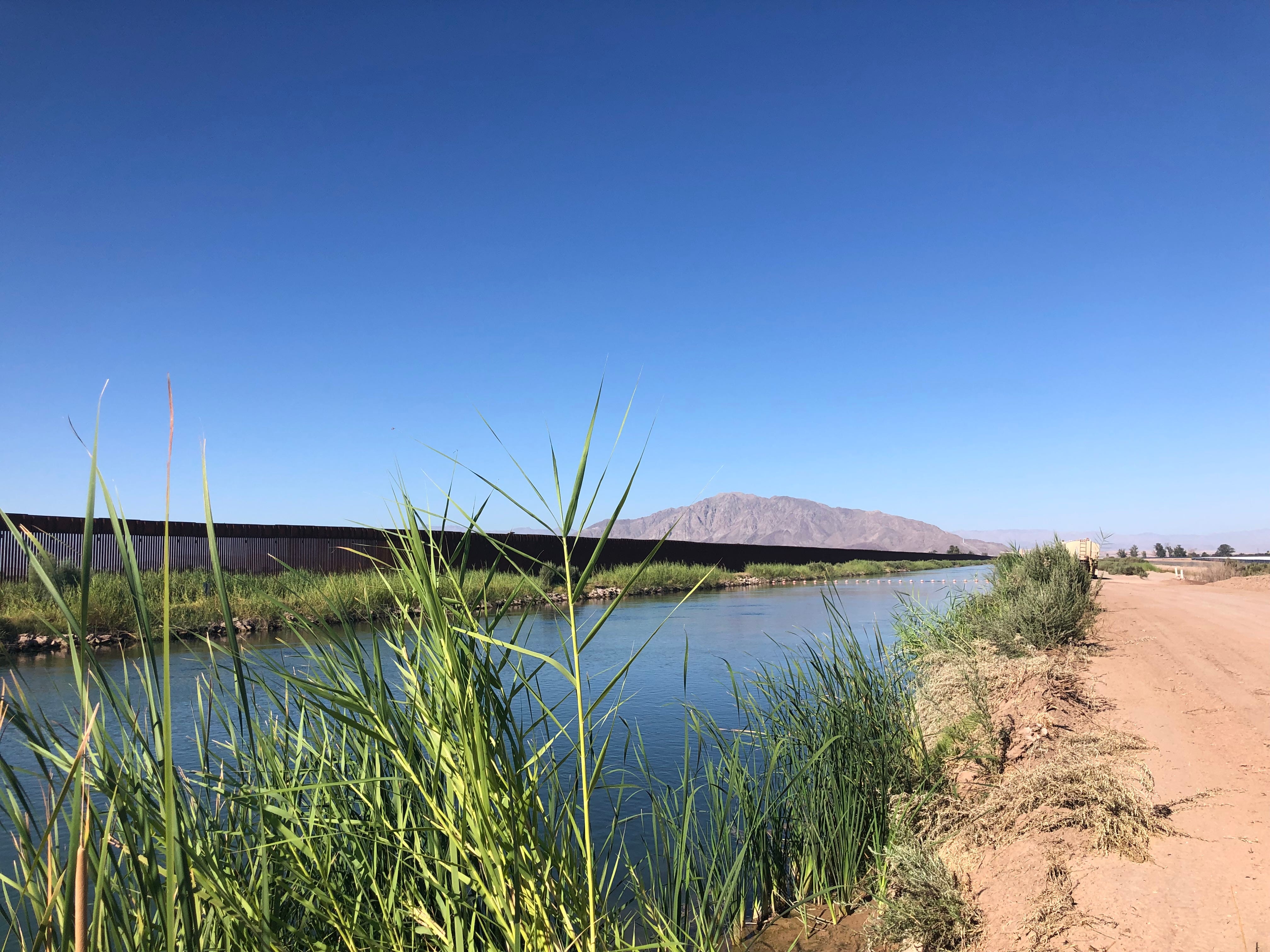
Amid a flurry of ominous headlines about the American West’s most important river, there’s a crucial story that’s received hardly any press coverage.
I’m talking about this month’s elections for the Imperial Irrigation District — and a last-minute infusion of mysterious dark money, which I’m reporting here exclusively.
Tucked into California’s scorching southeastern corner, the Imperial Valley consumes more Colorado River water than the entire state of Colorado. The vast majority flows to a few hundred families who collectively grow most of the nation’s winter vegetables — and also lots of alfalfa, aka cattle feed.
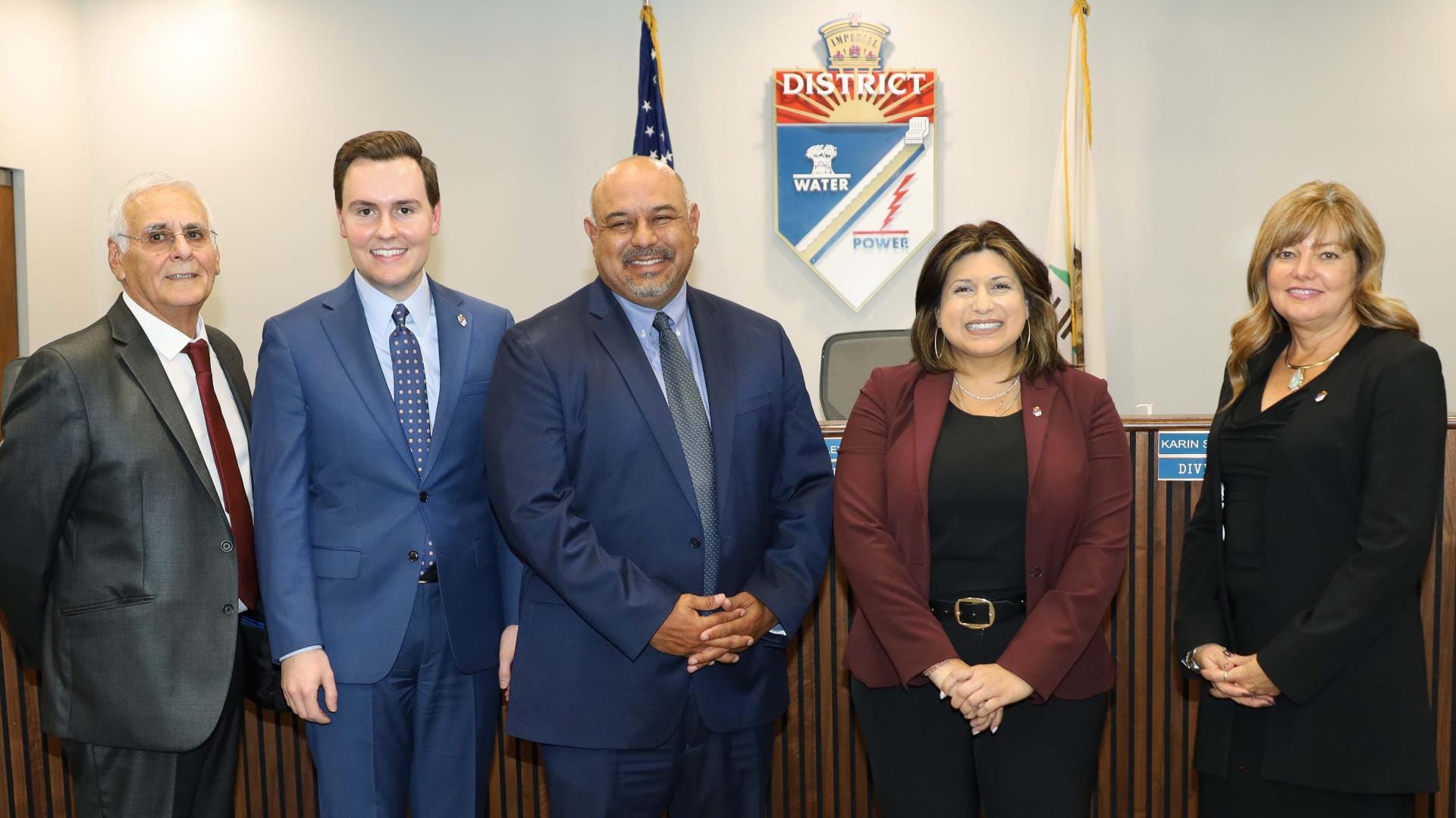
All of which makes the publicly elected members of the Imperial Irrigation District’s board of directors five of the most important people in the Western U.S. If we want to conserve enough water to prevent Lake Mead and Lake Powell from crashing, we need their cooperation — and it’s never a guarantee.
Over the last 25 years, IID has nearly derailed several high-profile water conservation deals. Board members are always wary of disrupting Imperial’s agricultural way of life — and of upsetting farmers, for whom water is power.
So I try to follow IID elections. And this month, things got weird.
If you’ve heard about anything in Imperial County lately, it may be a huge data center proposed by lawyer and businessman Sebastian Rucci. Rucci’s company got involved in the June election, spending $35,000 to support a challenger to IID incumbent Alex Cardenas — a big sum for a race that ultimately yielded just 4,400 votes.
They money didn’t help; fueled by name recognition and anti-data center sentiment, Cardenas won overwhelmingly, defeating Carlos Duran, who previously worked as a spokesperson for Rucci.
But it’s easy to understand Rucci’s thinking. Imperial Valley farmers routinely spend tens or even hundreds of thousands of dollars on local elections. In low-turnout races that can be decided by a few dozen votes, a little cash can go a long way.
Anyway, Rucci’s outlay generated some press. But Cardenas had his own benefactor.
Three weeks before the election, a political action committee called United Imperial Valley PAC registered with Imperial County, according to campaign filings. It quickly spent at least $11,550 on mailers and text messages supporting Cardenas.
It also spent at least $13,647 on mailers and text messages supporting IID incumbent Karin Eugenio, who chairs the district’s board (and also won reelection handily).
So where did the money come from?
United Imperial Valley PAC reported $44,300 in contributions, all coming from four companies with out-of-state addresses: Balboa Geothermal Group (New Mexico) and Purewatt Minerals, Utility Bridge Energy and Wells Precision Metals (Wyoming). The names make them sound like energy or mining companies, which would make sense, given the Imperial Valley’s world-renowned geothermal and lithium resources.
The thing is, I researched all four companies, and they seem pretty flimsy.
Three of them were registered as businesses just weeks before they gave thousands of dollars to United Imperial Valley PAC, and I can’t find evidence that the fourth is even registered as a business. Actually, I can’t find substantial info about any of them.
If I had to guess, these companies were created for the sole purpose of hiding the true source of the $44,300 in campaign contributions.
Which maybe isn’t surprising, because another political action committee seemingly used the same tactic in Imperial County two years ago.
During the final weeks of a contentious race for board of supervisors, a group called Economic Prosperity for Imperial County, or EPIC, received $29,500 from three out-of-state companies: Geothermal Ventures (Texas), Wellpoint Mining (Wyoming) and Western Data Center Development (New Mexico). Like the energy-coded companies this year, I couldn’t find substantial info about any of them.
I suspect whoever was behind the dark money in 2024 was responsible again this year — although I could be wrong.
Beyond the obvious similarities, Wellpoint Mining and Wells Precisions Metals share an address in Wyoming. Also, EPIC’s candidate of choice in November 2024 (who won by the skin of her teeth) was Martha Cardenas-Singh, Alex Cardenas’ sister.
The most revealing connection, though, is that EPIC PAC and United Imperial Valley PAC both employed Republican political consultant Marc Troast.
Troast has a history of making trouble. In 2016, the Desert Sun reported, he resigned from a job running a congressional campaign after posting a picture of himself firing what appeared to be a combat rifle the day after the deadliest shooting in U.S. history. A few years later, he helped run a congressional campaign for a carpenter named Raul Ruiz, who happened to share a name with the Democratic incumbent.
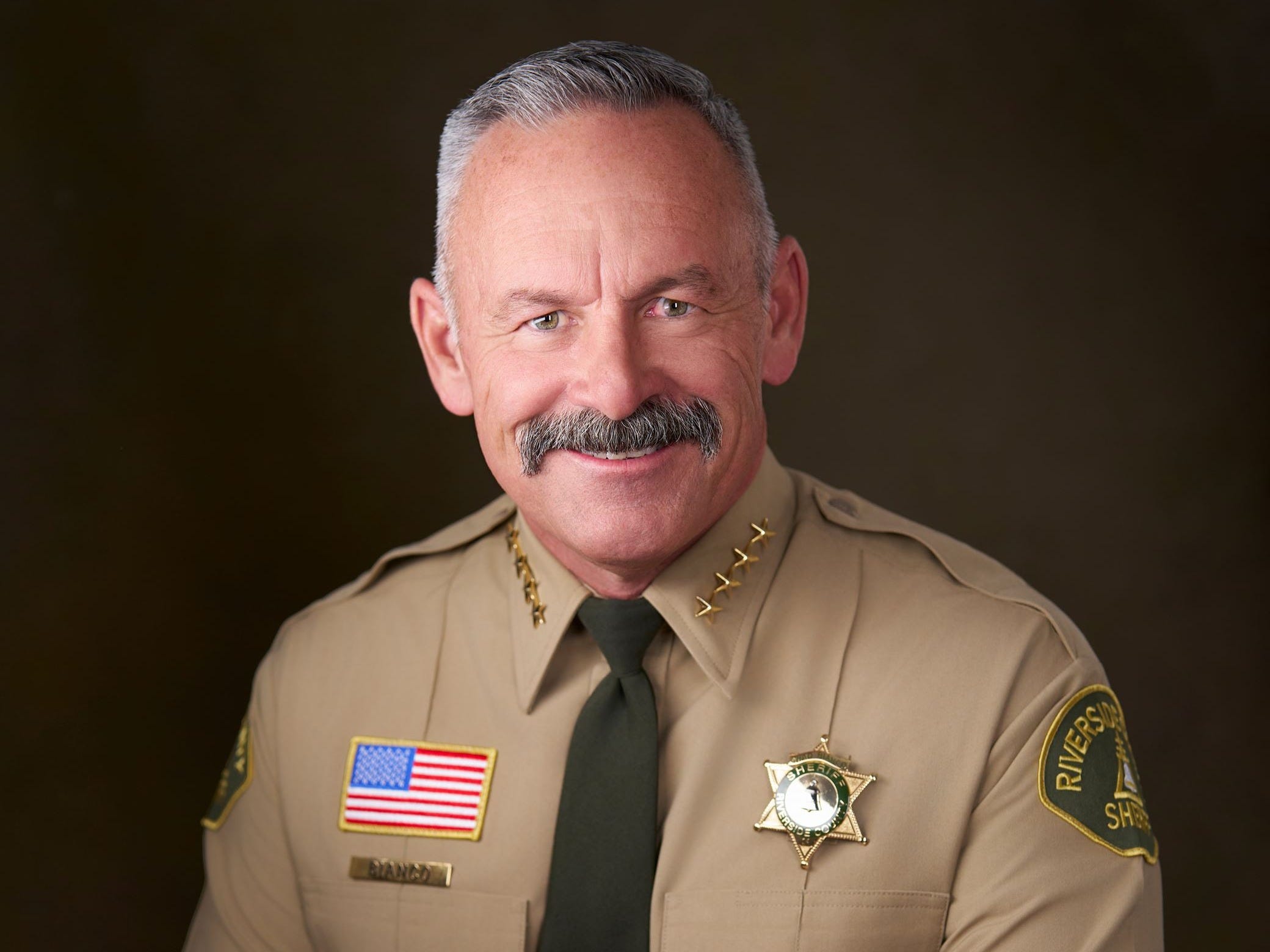
More recently, he worked for far-right Riverside County Sheriff Chad Bianco’s failed gubernatorial campaign.

United Imperial Valley listed one of Troast’s employees as its treasurer, and his office address as its address. EPIC listed the same treasurer and address.
But when I asked Troast about United Imperial Valley, he claimed ignorance.
“I am unaware of that particular committee,” he said in an email. “I do own Campaign Finance Services which does bookkeeping for various committees.”
“My staff handles compliance,” he added.
Seriously? When I pressed him for details, he acknowledged that one of his staffers “does compliance for [United Imperial Valley] and has no decision making authority.”
So to recap, we have tens of thousands of dollars flowing through shadowy companies to elect some of the most consequential people in Western water — with support from a firebrand political consultant who says he knows nothing about it.
Again, where’s the money coming from?
If Cardenas knows, he’s not telling. He sent me an email saying he “can only speak on behalf of my campaign and activities directly related to it.”
“I am unable to provide comments regarding any independent expenditure committees or their activities during this election cycle, as I have no involvement with, knowledge of, or authority over their operations,” he wrote.
I also talked with Eugenio, who said she knew nothing about United Imperial Valley PAC or why it supported her. Unlike Cardenas, whose email read like carefully crafted legalese, she sounded genuinely alarmed.
“I don’t know anything about them,” she said. “I’ve always been very, very selective of who I accept money from, because it is public.”
“It’s very concerning and upsetting,” she added. “And I had enough money on my own that I generated from non-dark money.”
One clue as to the possible source of the funds?
In 2024, the Desert Sun’s Janet Wilson linked several of EPIC’s early contributions to former IID board member Erik Ortega, who runs medical transport companies. Janet discovered that several California businesses giving large sums of money to EPIC had identical addresses to companies headed by Ortega.
After Janet’s story published, EPIC’s contributions started coming from the shady out-of-state entities I described above.
I emailed Ortega to ask if he knew anything about United Imperial Valley PAC or was the source of any of its funds. He didn’t respond.
By now, you may be ready for a big reveal. Or maybe you’re wondering what the dark money means in practice for the Colorado River, and for the tens of millions of people from L.A. to Las Vegas to Salt Lake City who depend on its waters.
To which all I can say is, stay tuned for more reporting — including Part 3 of “Death in the Desert,” my series on another former IID director, Mike Abatti, who’s awaiting trial on charges of murdering his wife.
Imperial is a place of endless intrigue — much of it intertwined.
All along the Colorado
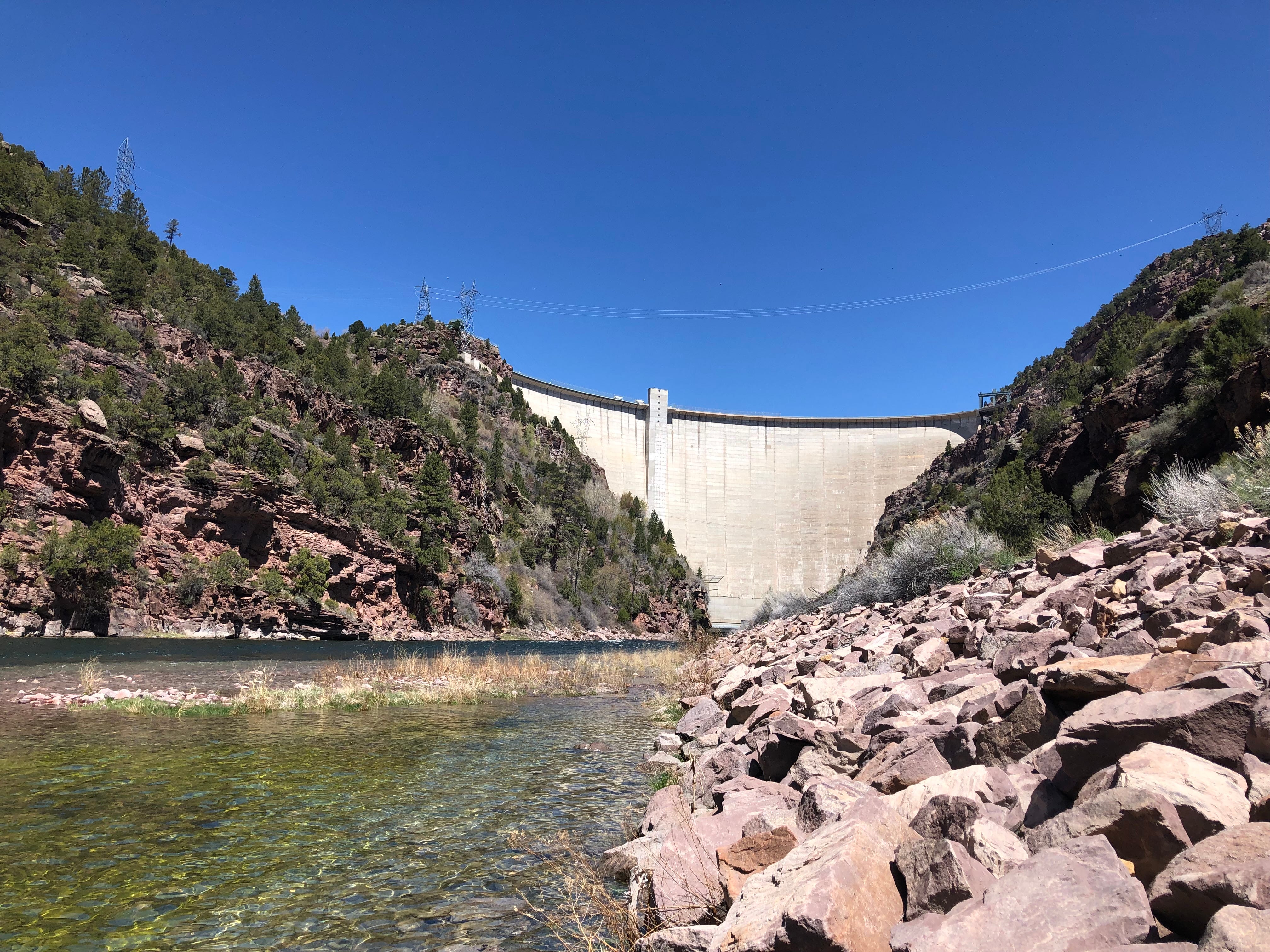
High-stakes negotiations:
To prepare for a possible interstate Colorado River lawsuit, Arizona lawmakers added $6 million to a legal fund. (Alex Hager, KJZZ)
Utah Senator Mike Lee threatened to withhold hundreds of millions of dollars in federal water conservation funding from California, Arizona and Nevada if any of them files suit over water rights. (Marcus Reichley, Cronkite News)
The Colorado River states cobbled together a water survival wish list. It includes more than 80 projects costing tens of billions of dollars. (Alex Hager, KJZZ)
Lithium at the Salton Sea:
Imperial Valley College created an amazing program to train folks for the lithium boom. Only the boom hasn’t come. (Erin Rode, the Hechinger Report)
What do people living near the Salton Sea think of lithium extraction plans? Two reporters parked themselves at the only restaurant in Niland to find out. (Rebecca Plevin and Zoë Meyers, Capital & Main)
About that data center:
The Sierra Club is suing Imperial County over its approval of Sebastian Rucci’s data center. (Kori Suzuki, KPBS)
Rucci’s company is suing IID to access Colorado River water. (Kori Suzuki, KPBS)
The Imperial County supervisors sharply changed course on data centers overall, approving a 45-day moratorium. (Philip Salata, inewsource)
Last but not least, I loved this story from Jonathan P. Thompson, author of The Land Desk, on the spelling and etymology of Lees Ferry, aka Lee’s Ferry, aka Lee Ferry, one of the most important spots on the Colorado River — except nobody can agree exactly what it’s called.
A few more stories…
.jpg)
Climate communications:
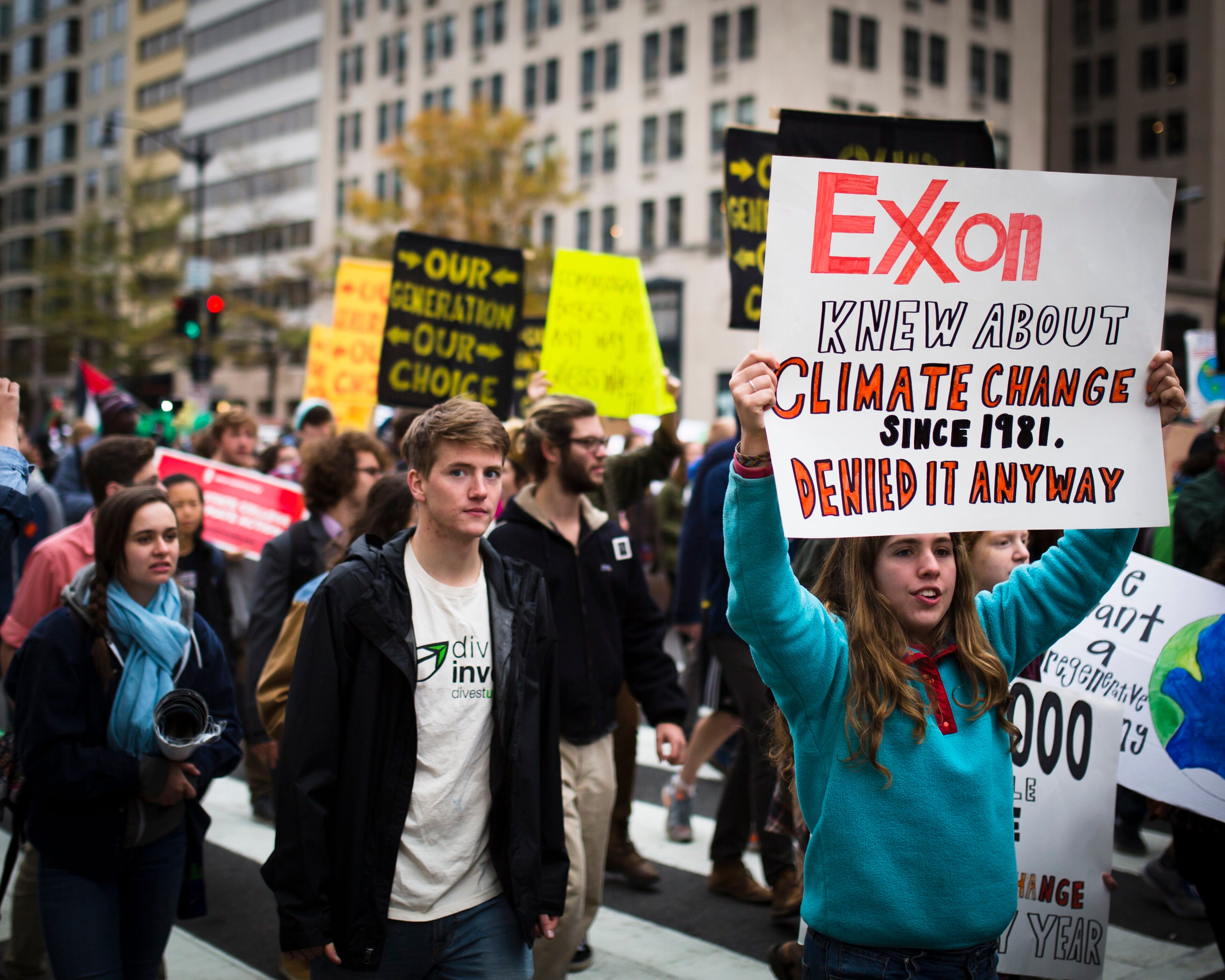
Good on the Houston Chronicle for putting former Exxon CEO Lee Raymond’s history-changing climate denial in the headline of his obituary.
Bad on NPR for laying off not only its chief climate editor, Neela Banerjee, as I reported this month, but also longtime climate correspondent Jeff Brady, as he announced on LinkedIn.
Why do journalists always call climate scientist Daniel Swain? “He uses language that is both precise and deep but very accessible.” (Jason Dove Mark, the Atlantic)
MAGA watch:
The federal government will pay another energy developer $765 million to walk away from four offshore wind leases — including one off the coast of California. (Hayley Smith, L.A. Times)
A judge ordered federal officials to restore exhibits about climate, slavery and more at national parks. (Hallie Golden and Kimberlee Kruesi, Associated Press)
The Trump administration is auctioning off tens of thousands of acres of public lands that almost certainly contain no oil or gas — and a journalist tracked down the sketchy Utah resident who made it happen. (Joan Meiners, Arizona Republic)
And everything else:
FIFA does not appear to have a wildfire smoke plan for the World Cup. Hopefully North America doesn’t catch fire! (Tik Root, Grist)
Golden mussels have invaded California, clogging water infrastructure across the state. (Kurtis Alexander, San Francisco Chronicle)
From California to Texas to New York, solar, wind and batteries are pushing fossil fuels to the margins this spring. It’s unprecedented. (Julian Spector, Canary Media)
Finally, the California Chamber of Commerce endorsed Xavier Becerra, the first time the powerful business lobby has ever supported a Democrat for governor. This caught my attention because the Chamber has helped defeat “Make Polluters Pay” legislation and is currently suing the state over its climate disclosure laws.
Hopefully Becerra is not the kind of governor his big-money backers seem to think he will be. To paraphrase what I wrote last week: Becerra, please prove them wrong.
Thanks for following the money on this otherwise obscure local story, with national implications. Another reason local journalism is important! This story requires the local background to identify the players and dig out the connections. Keep going, Sammy.
Great reporting, Sammy!