

Whatever happened to Lithium Valley?
Hint: Like everything else, it's all about data centers now.

“At night, I make plans for a city laid down
Like the hips of a girl on the spring-covered ground
Spirals and capitals and the twists of a script
Streets named for heroes that could almost exist
Fruit trees from Eden and the gardens that seem
To float like the smoke from a lithium dream…”
— Josh Ritter, “Thin Blue Flame”
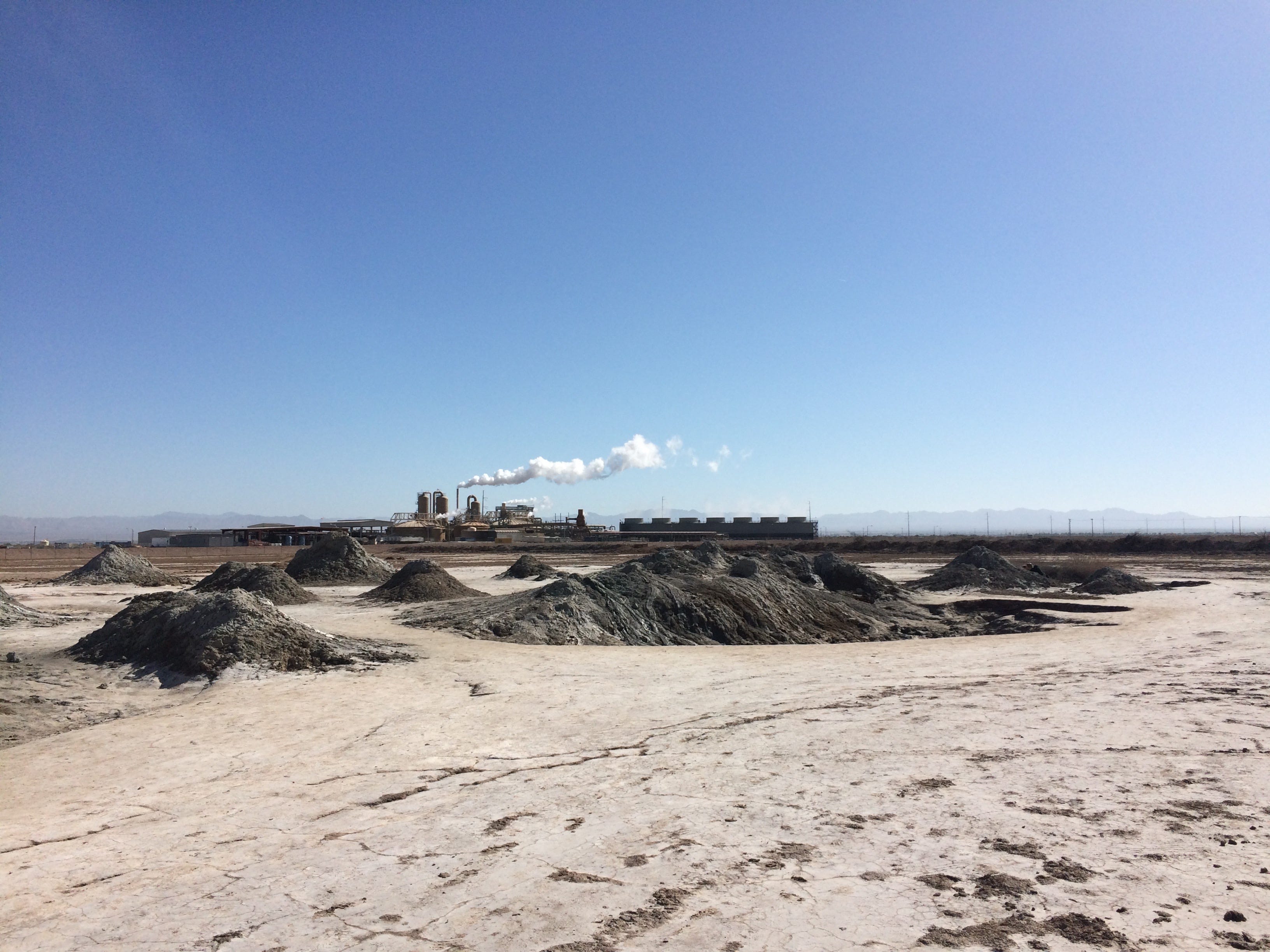
Ten years ago this month, I visited Hell’s Kitchen for the first time.
Not the neighborhood in Manhattan, but a scorching expanse of dusty desert along the shore of California’s Salton Sea, where an Australian company pitched me on its plan to build a geothermal power plant. The executives told me they planned to start construction by 2018 and open the plant by 2020.
As those milestones failed to materialize, executives adjusted their pitch: Not only would they drill into superheated brine deep beneath the lake to generate 24/7 clean energy, they would extract lithium, a key mineral for electric vehicle batteries. When the company drilled its first wells in 2021, it touted plans for clean energy generation and mass lithium production by 2024 — developments that could help California and the nation meet aggressive climate targets. A ceremonial groundbreaking with one of President Biden’s top advisors was held in January 2024.
Two years later, Hell’s Kitchen is still a dusty desert. The “Lithium Valley” dreamed up by local officials and promoted by Governor Gavin Newsom has yet to arrive.
So, naturally, the company is pivoting to data centers.