

As goes California
The Golden State starts electing a new governor this week. Its clean energy leadership is at stake.

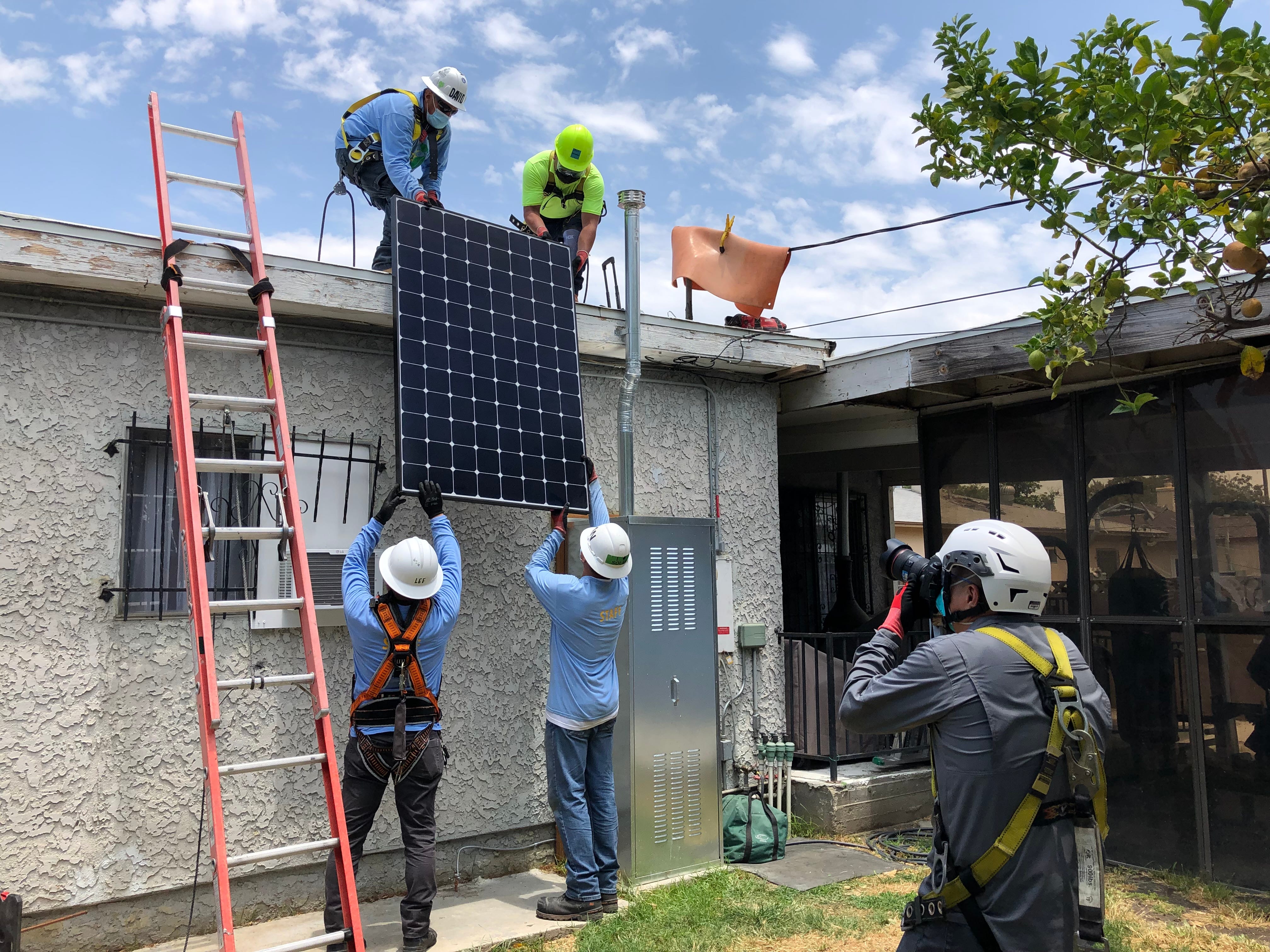
Imagine going to Walmart and spending a couple of hundred dollars on a solar panel, or maybe a couple of thousand dollars on a couple of panels. Then you head home and hang them from your balcony — or prop them up in your yard — and plug them in.
You start generating enough electricity to power your refrigerator and possibly a few appliances. Your electric bill goes down immediately. Your investment pays off within two or three years.
That’s “plug-in” solar — like rooftop solar but smaller, simpler and cheaper. It’s much more accessible to renters and folks who live in apartments.
It’s technically allowed in California, although it exists in a legal gray area. Although it’s taken Europe by storm, only a handful of companies sell plug-in panels in the U.S., in part because utilities typically insist that customers seek their permission first — a costly, time-consuming process.
There’s a solution in sight. Hopefully.
Last month, the California Senate voted 35-1 to approve SB 868 from Senator Scott Wiener (D-San Francisco). The bill would clarify that plug-in systems below a certain size are exempt from utility interconnection requirements, so long as they meet safety standards. If the bill clears the state Assembly and is signed by Gavin Newsom, expect a booming market within a few years.
What could go wrong?
Well, Newsom is notoriously accommodating to the utility industry — and SB 868’s few opponents include Southern California Edison and San Diego Gas & Electric, as well as groups representing public utilities such as the L.A. Department of Water and Power and Sacramento Municipal Utility District. (Pacific Gas & Electric, believe it or not, says it’s willing to support SB 868 with changes.)
If SB 868 clears the Assembly, would Newsom sign it? I asked Bernadette Del Chiaro, a senior vice president at Environmental Working Group. She was part of a panel that I moderated last week at a green building conference in Berkeley.
Her answer: Yes, she thinks he would.
“I’m gonna go out on a limb. It’s always risky to do that,” Del Chiaro said. “But it’s a bipartisan bill. The Senate vote was 35-1. If we get the same kind of broad support in the Assembly, I think it will be really tough for [Newsom] to veto it.”
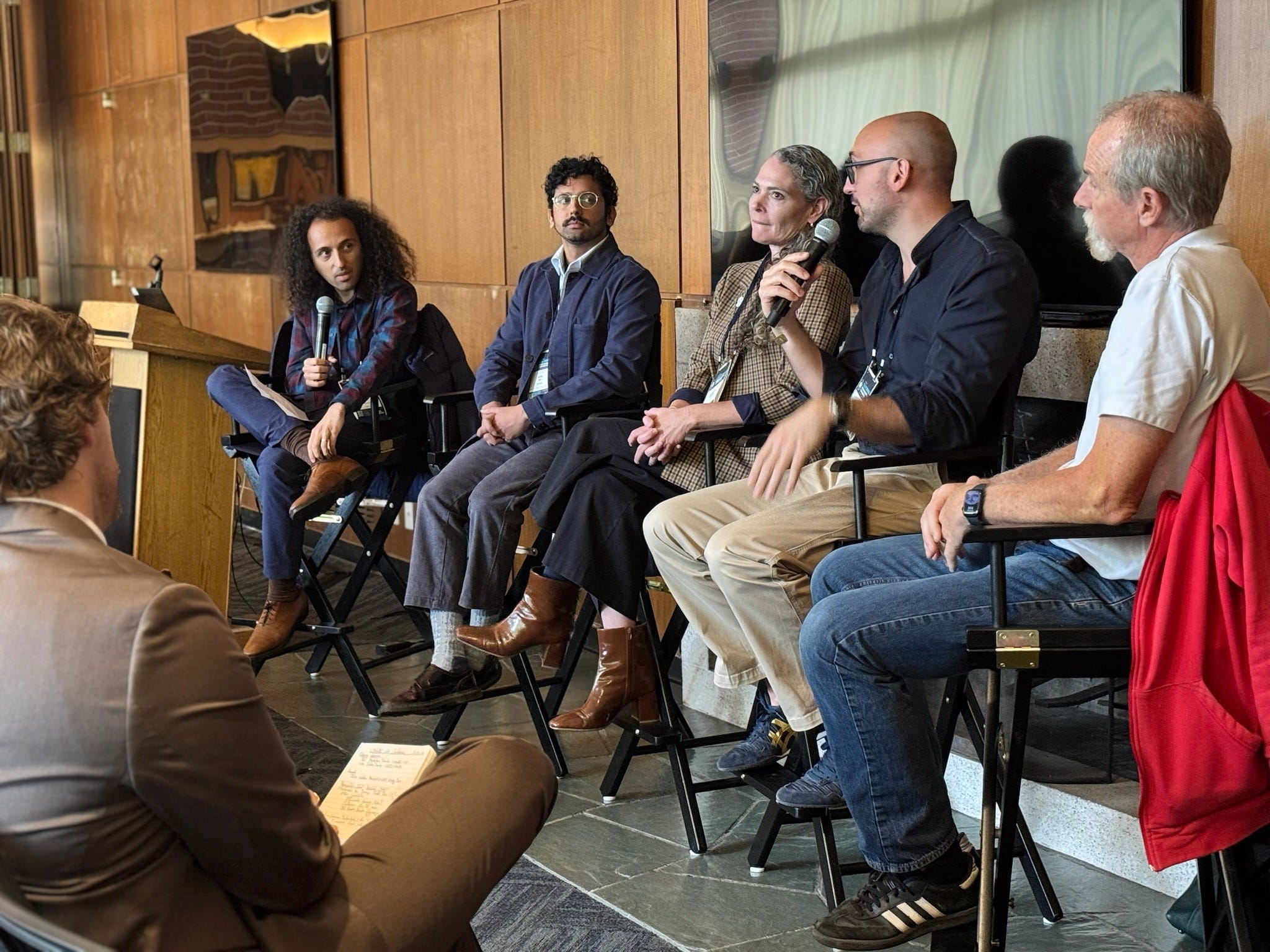
I was encouraged by Del Chiaro’s response. After the panel, though, it occurred to me how strange it was that I even needed to ask the question.
We live in California, a climate leader and a hotbed for clean energy technology — at least historically. Could our governor really veto such commonsense legislation?
Unfortunately, it felt possible.
Newsom has shown a frustrating willingness to undercut rooftop solar programs that don’t fuel utility industry profits. Meanwhile, eight states have already passed plug-in solar laws, starting with deep-red Utah — meaning California is behind.
The Golden State has abdicated its climate leadership in other ways, too.
Just last week, the California Air Resources Board — led by a Newsom appointee — revamped the state’s signature climate program, easing carbon emission limits for oil refineries and other large polluters. In addition to fueling global warming, critics say the changes will eliminate $2 billion in annual funding for wildfire prevention, public transit, clean drinking water and more.
Officials argued the changes were needed to keep gas prices and electric rates under control — the same affordability rationale that state leaders have used to justify more oil drilling in the Central Valley, lower rooftop solar incentives, a moratorium on new energy-efficient building codes and other climate backsliding.
“We are responding to real affordability concerns,” Air Resources Board chair Lauren Sanchez said in a written statement last week.
I’m sympathetic, to an extent.
California has ambitious climate goals. Meeting them will be hard. And they won’t matter very much if folks can’t afford to live here — even if the reasons California is so expensive have little to do with climate policy. A lot of policymakers are walking a fine line, trying to keep propelling the energy transition while also responding to the reality that many people are struggling with high energy costs.
We need leaders willing to make tough decisions. Leaders who won’t throw climate under the bus for political expediency. Leaders who can tackle the affordability crisis without embracing short-sighted ideas that hurt more than help.
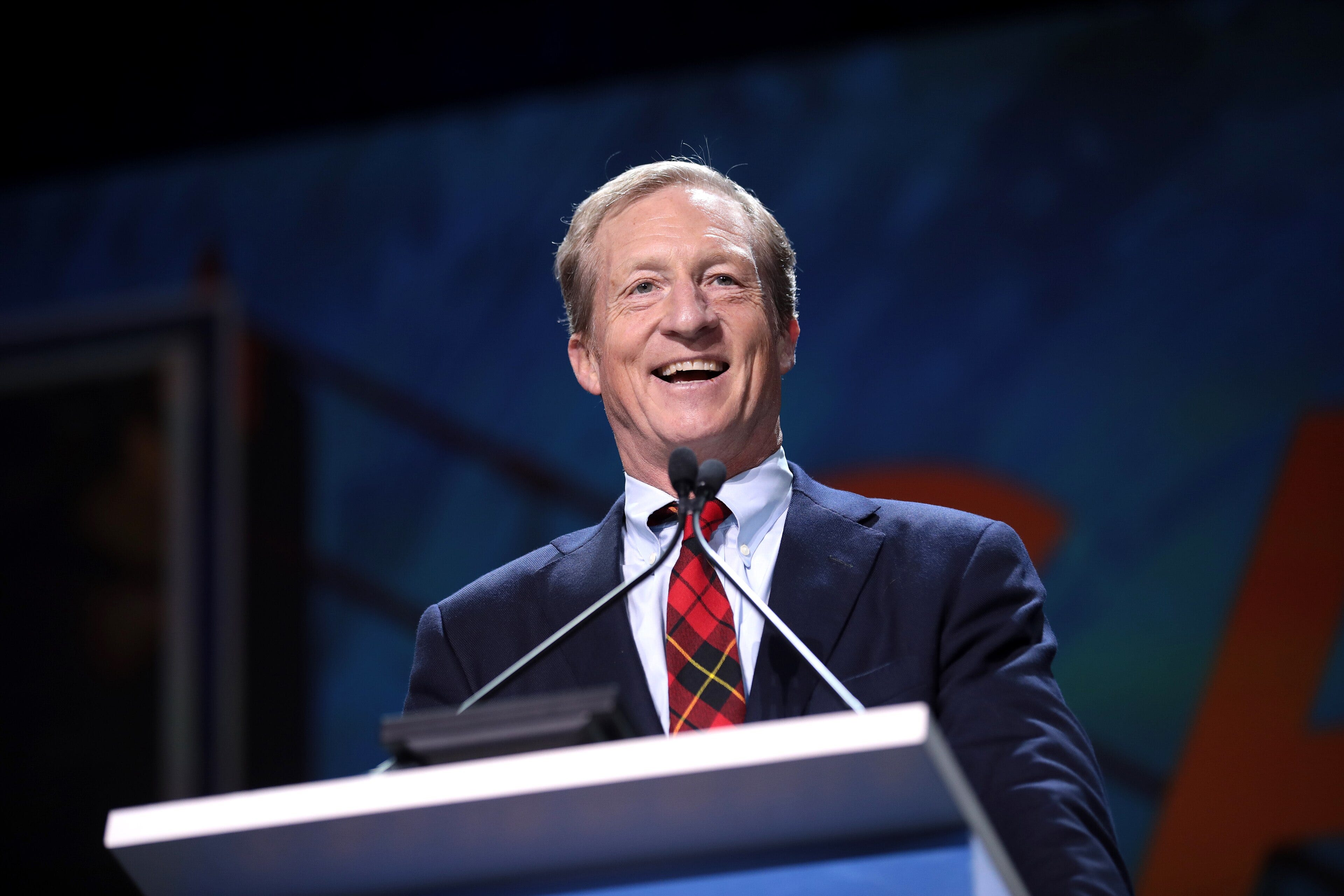
If you read my piece on the California governor’s race, you know Tom Steyer is my recommendation. The only thing that’s changed since my initial analysis is that I’ve grown even more wary of the other Democratic front-runner, Xavier Becerra.
.jpg)
Chevron followed up its $39,200 contribution to Becerra’s campaign with another $500,000 to an independent expenditure committee supporting Becerra. California Resources Corporation, the state’s largest oil driller, also gave $500,000 to the same pro-Becerra committee.
Even more concerning than the money? Becerra’s response amid mounting criticism from climate activists. First he defended Chevron’s contribution by insisting that the oil company is “not the bad guy.” Then he told Politico that he’s willing to reconsider California’s longstanding climate targets.
“We should absolutely have ambitious goals to phase out fossil fuels. … It’s just, what will our pace be?” Becerra said. “Can we make the 2045 goal? Sure would like to, but I’m not going to hang up our economy and families’ cost of living if we find that we’re not able to meet that goal.”
It’s no wonder oil companies are supporting him. Knowing that California will elect a Democrat, that’s the best attitude they’re going to get.
Becerra’s climate flexibility may sound especially good to oil executives compared to Steyer, who previously told me that polluters “owe the state of California hundreds of billions of dollars” in climate damages.
PG&E, meanwhile, is attacking Steyer, who has vowed to boost rooftop solar and rein in utility profits. The company has spent at least $13.5 million opposing him, the L.A. Times reported. And although Southern California Edison hasn’t spent any money on the governor’s race, Edison says it opposes Steyer.
As for plug-in solar, private and public utilities warn that the technology could pose safety hazards, like fire or electric shock, without some utility oversight. Independent experts, though, say those concerns are wildly exaggerated.
“Corporations hide behind the safety issue all the time,” veteran electrical engineer Bill Brooks said during my moderated panel. “Anything that they don’t like, the first thing that comes out is, ‘It’s a safety issue.’”
Steyer is a fan of plug-in solar. In a recent social media post, he called it “fantastic,” saying “any politician who opposes this technology is either ignorant or is beholden to utility monopolies.”
So how does Becerra feel? He’s taken a dim view of rooftop solar, but maybe he sees plug-in differently?
I reached out to his campaign for comment. No response.
The latest polling shows Becerra leading the field of gubernatorial candidates, with Steyer and Republican Steve Hilton in a close race for second place (and everyone else far behind). The top two finishers will advance to the general election. The last day to vote is tomorrow, Tuesday 6/2.
Whichever Democrat ultimately wins in November, California will maintain its status as a clean energy leader. A quarter-century of momentum is hard to kill.
But the whole point of leadership is to lead people in the right direction. On Tuesday, Californians face a stark choice about where we’re all going.
I took your advice and voted for Tom Steyer! The only candidate focused on a better future for all Californians, tackling the at-home issues, cost of living, and way of life imperilled by global warming caused by excessive carbon emissions. A law to ban (by 2030) diesel trucks from our major ports will help to make California's air healthier, improving our quality of life!
Your comments about the "balcony" solar panels and the issues with the utility companies focusing on their profit margins at the expense of providing affordable power to all...These need to be balanced by advocating changes to the building codes to "ban" gas hookups in new construction; replace existing gas stoves with induction cooktops, gas HVAC with heat pumps...
When living in Reno in 2016, I tried (with help from UNR) to get a new building code so that new housing developments (over 100 units) were "all electric" (no gas infrastructure); becoming "energy islands", installing solar, plus battery back-up for the entire new development, connected to the local grid... Unfortunately NVE opposed this, on the grounds that everybody would turn on their stoves, HVAC, dry their clothes charge their cars at the same time, causing a grid blackout/brownout! Their systems were all installed/calibrated to account for this unlikely happening! Modern computer control technology installed to control the back-up power for the "energy island" could certainly cope with this!
I watched an episode of "Just Have Think" discussing the LCOE (being tied to NG, the highest cost variable) in the UK and Europe ... I think a version of this on the workings of CASIO in California would be instructive- https://youtu.be/qWXNypHEXl0
One commentator on this UTube video - made claims about California - which would be helpful (to me anyway) if verified - Comment from @junkerzn7312
https://youtube.com/watch?v=qWXNypHEXl0&lc=UgwF7JecaTfuD28p5IN4AaABAg.AXUHJAZHYCOAXUUKDIY-E2&si=X0FCHTk2B7PLIbyz
Geoffrey Brooks
Great column, as always, but just to be clear: We do not elect a governor of California this week. The election is in November; this is a primary to choose which two candidates will be on the ballot. I too support Steyer, no question.