

Headlines from 2036: We have our winners!
Also, Disney is finally fixing Tomorrowland — and electric vehicles are only the beginning.

A few months ago, I asked everyone to send me their dream headlines from 2036. What would you want the world to look like a decade from now?
After narrowing down the submissions to a dozen of my favorites, I made a poll and asked you to vote on the best headlines. Now we have our winners.
Hundreds of people voted. Here are the top finishers:
1st place: Exxon declares bankruptcy, CEO Darren Woods faces climate damages trial (submitted by Ali Wines)
2nd place: For the first time in 25 years, teens spend more time in nature than on their devices (submitted by Rick Brown)
3rd place: Gen Alpha can’t believe we once cleared rainforests for burgers (submitted by Carolyn Englar)
Congrats to Ali, Rick and Carolyn, who will each win one-year paid subscriptions to Climate-Colored Goggles. And thank you to everyone who participated! It’s important for us all to think creatively about how the future might look different and better than the present. Otherwise, we won’t try very hard to make it happen.
A few observations about the winning entries.
Ali’s headline received the most votes, but it wasn’t the only submission imagining a future where oil companies go bust, or where their executives are held accountable. I was forced to choose a finalist from several spicy options.
So at least among readers of this newsletter, there’s enormous frustration with Big Oil — a frustration that has not translated into legislative action in California lately.
Carolyn’s headline, meanwhile, was one of the only submissions dealing with meat, despite its huge importance to the climate fight. Voters flocked to the idea of a future without burger-driven deforestation, which is wonderful. Although I do wonder if the plethora of energy-centric headlines split the vote. I was surprised by how few people voted for a headline forecasting the end of gas appliances.
The volume of support for Rick’s headline — the one about teens spending more time in nature than on their devices — caught me by surprise.
I loved the sentiment, or I wouldn’t have made it a finalist. But for a newsletter whose audience is largely focused on climate, energy and water, I wasn’t sure how many folks would be moved by this particular vision of the future.
Well, the voters have spoken: less screen time, more nature time. And the cool thing is, we don’t have to wait until 2036 — or limit participation to teens. We can all start doing this one right now. Having just returned from a hiking trip — where I used my phone as a camera rather a computer — I can attest to the mental health benefits.
Thank you again for playing along — this was fun! We’ll do some more creative games and competitions before too long. Let me know if you have any ideas.
There’s a great big climate-friendly Tomorrowland (hopefully)
As a Disneyland superfan, I was thrilled to learn this weekend that the Walt Disney Company is finally overhauling Tomorrowland. It was last updated in 1998, meaning the future hasn’t looked so futuristic lately. New visions of progress are needed.
As a climate storyteller, I’m immensely curious how those visions might incorporate clean energy, electric vehicles and other sustainable technologies.
We already know that Disney is electrifying the 71-year-old Autopia ride, replacing dirty gas-guzzlers with EVs. When I broke the news in 2024, I urged Disney to update Tomorrowland with other climate-friendly storytelling flourishes, such as solar-panel shade structures, induction cooking and a revived PeopleMover.
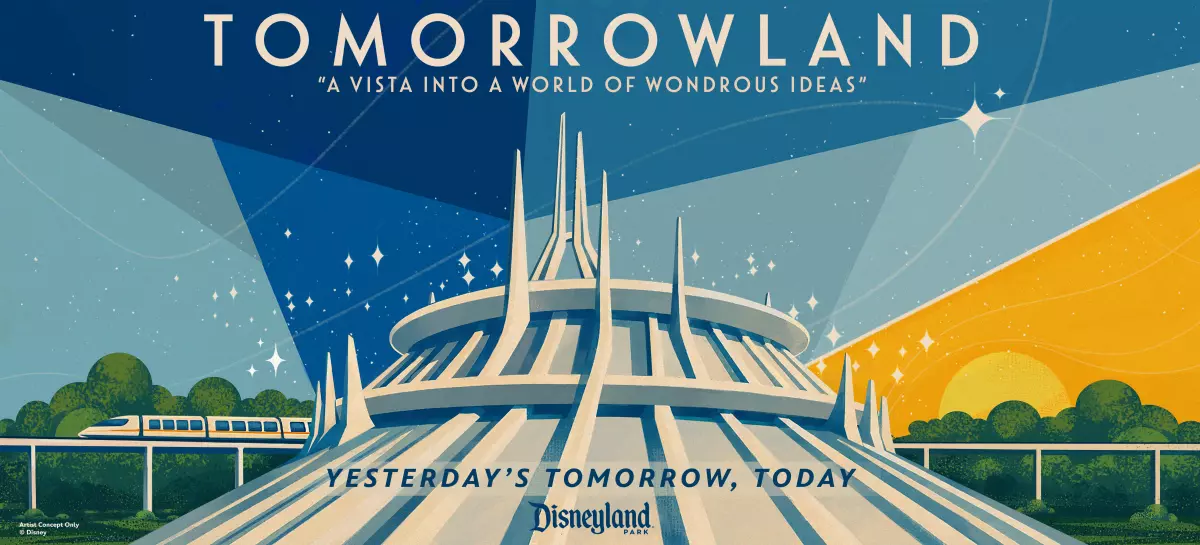
I’m holding out hope that Disney’s Imagineers may be thinking along similar lines. Although the company revealed few details at this weekend’s D23 convention, Emily “Emo” O’Brien — the Imagineer overseeing the Tomorrowland revitalization — told reporters that the design team has taken inspiration from Walt Disney’s Opening Day speech, in which he called Tomorrowland “a vista into a world of wondrous ideas.”
O’Brien said the revamped land “will have new open spaces, places for guests to really experience together and dream about that optimistic future.”
Disney’s “optimistic future” will certainly involve space exploration; Tomorrowland’s best attraction is Space Mountain, and it’s not going anywhere, as seen in the concept art above. But it’s possible EVs won’t be the only cleantech. Going back to the days of Walt Disney, Tomorrowland has a history of showcasing cool inventions, from plastics (yikes) to electric appliances (highly prescient). There was even an energy mural in the 1960s that spotlighted solar and wind power.
Discussing Walt Disney’s original vision, O’Brien said the Imagineers “want to keep the heritage and the responsibility to honoring that legacy at the center, but we have to evolve it for our new generations.”
To me, that sounds like a clarion call for sustainability-tinged storytelling. And maybe I’m grasping at straws here, but I can’t help myself: The concept art includes an image of the bright morning sun peaking over the horizon.
One thing’s for sure: If I ran a major cleantech company or trade group, I’d be getting in touch with Disney to gauge the potential for sponsorships. Plans for new rides and experiences are currently being drawn up. This is a chance to win hearts and minds — and rewrite the politics of the possible — long past 2036.
In other news

On our public lands:
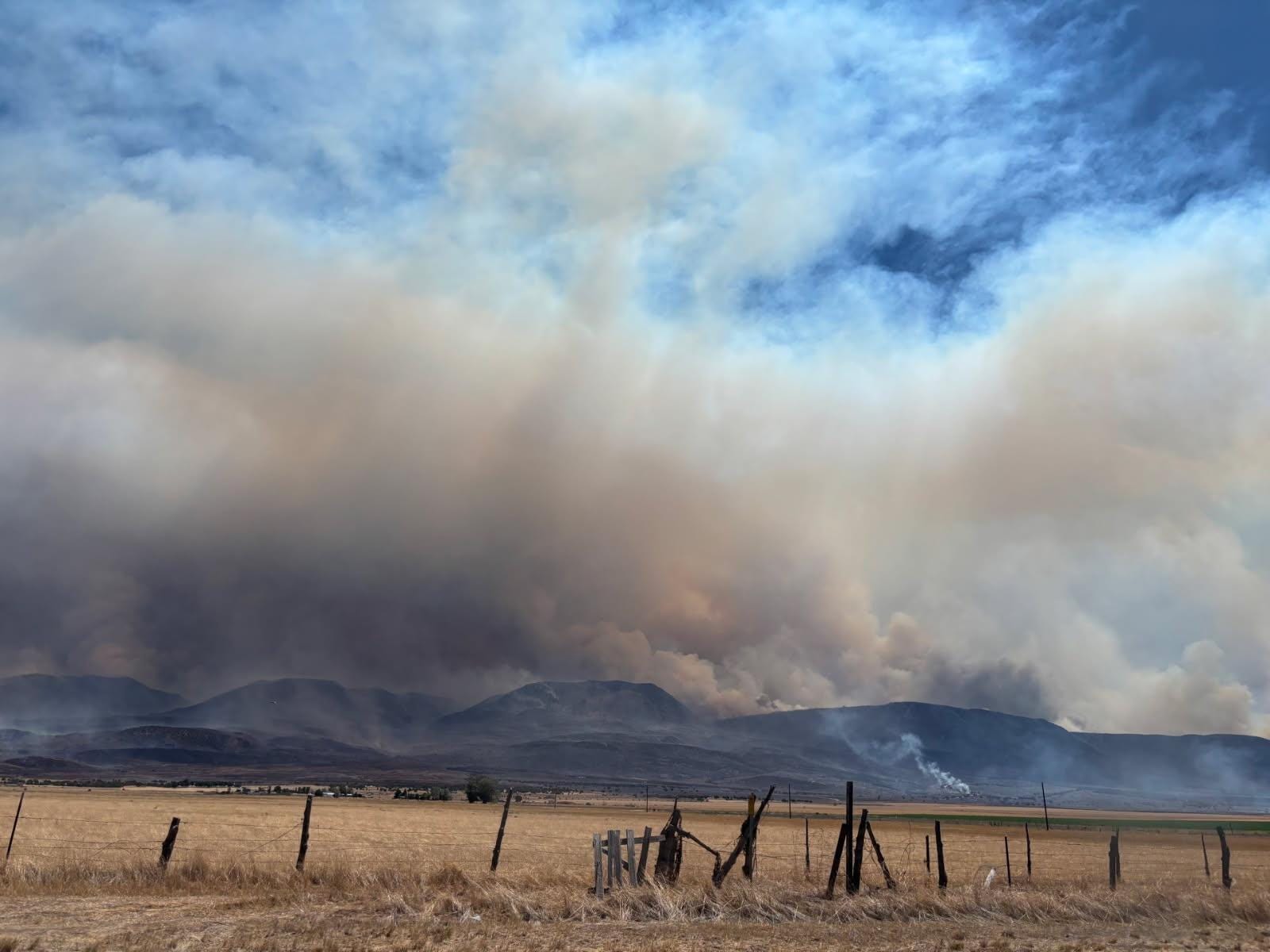
The Trump administration’s gutting of the federal workforce has left firefighters overworked, under-resourced and scrambling to keep up as climate-fueled blazes burn across the West. (Scott Dance, New York Times)
The guy who oversees the U.S. Forest Service called in extra federal firefighting support for a small fire near his mega-ranch in Idaho, even as many larger blazes burned elsewhere. (Brianna Sacks and Andrew Ba Tran, Washington Post)
A couple of “environmentalist” ranchers recruited Robert F. Kennedy Jr. and his friends to help them preserve the sacred legacy of cattle ranching at Point Reyes. (Susanne Rust, L.A. Times)
The energy transition:
The California Coastal Commission rejected an oil company’s request to restart offshore fracking. The company can now appeal to the Trump administration — which, I wonder what the feds might say. (Rosanna Xia, L.A. Times)
During the Biden years, NextEra billed itself as the nation’s largest clean energy company and talked a big game on “real zero” — like net zero, but with no offsets. Now it’s backing away from its climate commitments and bragging about “energy dominance.” (Ajani Stella, Inside Climate News)
A new study finds that replacing your gas car with an EV immediately — if you can afford the up-front cost — is almost always the climate-smart option, rather than waiting for your gas car to stop working. (Tik Root, Grist)
Climate consequences:
Global warming is one of several factors turning the Golden State into a hot spot for mosquitoes, ticks and fleas spreading dangerous diseases. Agh! (Susanne Rust and Lila Seidman, L.A. Times)
“This summer has felt like a sea change in elite sport. Somehow we have reached a stage where it is no longer shocking to see a tennis player collapse on court, like Ekaterina Alexandrova in Memphis.” (Tanya Aldred, the Guardian)
Add this one to your climate vocabulary: “Snow-eater” heat waves are melting Western snowpack twice as fast, according to a new study. (Kaleb Roedel, KUNR)
Water in the West:
The week before last, Lake Mead hit a record low. Now it’s Lake Powell’s turn. (Associated Press)
Lake Powell’s hydropower generation isn’t nearly as important as it once was. Yet the feds are still operating Glen Canyon Dom as if those dwindling electrons were absolutely crucial. (Jonathan P. Thompson, the Land Desk)
A Denver water provider should have taken climate change into account before expanding a big dam — or so critics say. That’s the claim at the heart of a lawsuit that could have ripple effects across the American West. (Wyatt Myskow and Jake Bolster, Inside Climate News)
Finally, after reading this fascinating column by the L.A. Times’ Patt Morrison, you may be frustrated to learn that California lawmakers just killed a bill that would have required state officials to study the reintroduction of grizzly bears. The bill was killed with no explanation or discussion by the Assembly’s Appropriations Committee.
I was watching the committee meeting, although I was focused on another bill. More to come later this week.