

Greetings from the Great Pacific Northwest
The Olympic Peninsula is beautiful. Here are a few pictures.

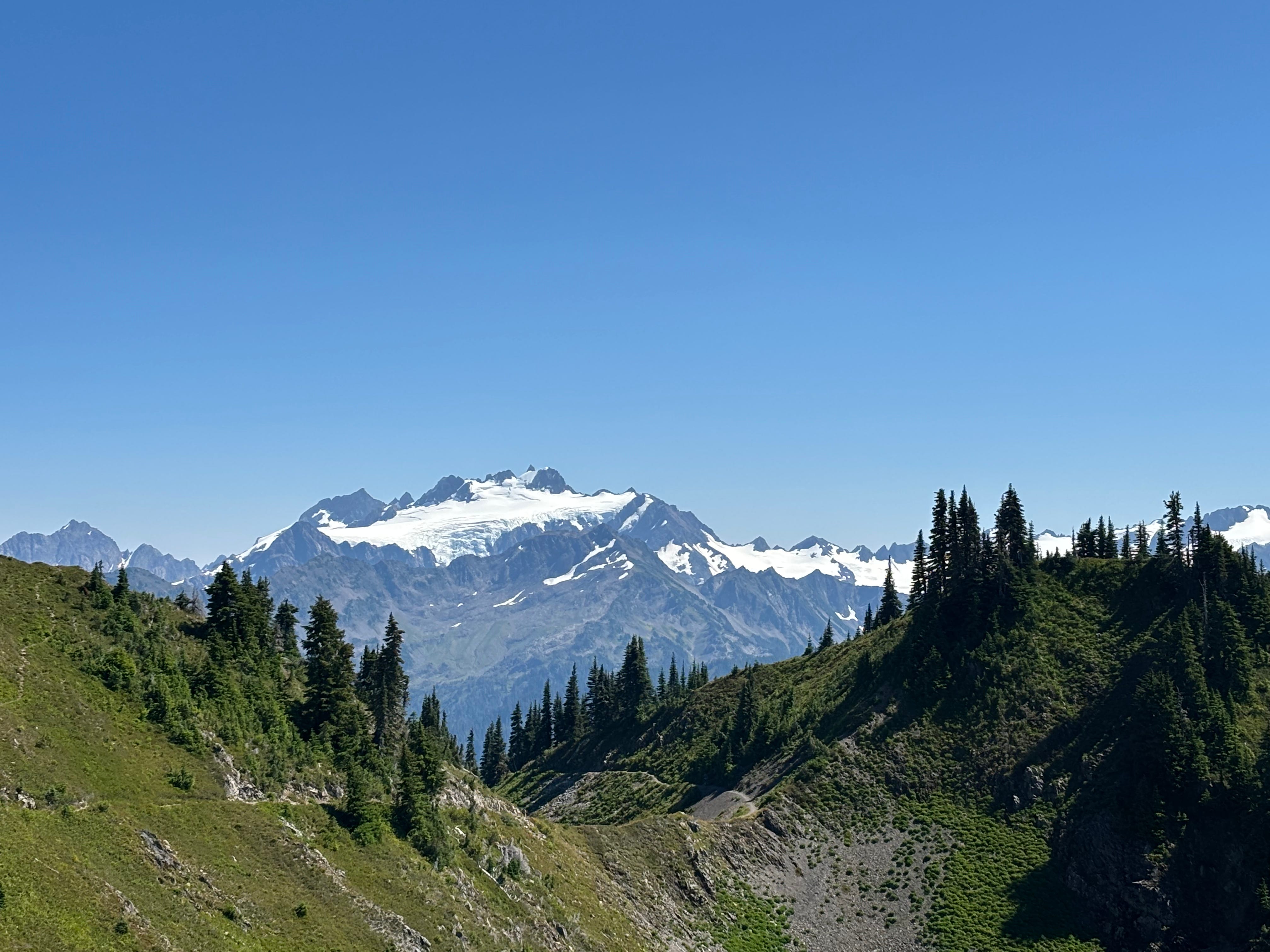
I’m back home in California after 11 days hiking and camping in Washington, mostly at Olympic National Park, with my wife and several friends. The landscapes were jaw-dropping, the weather perfect; I don’t know that temperatures surpassed 80 degrees or dropped below 40. We never caught a whiff of smoke from the fires burning on the far eastern end of the state in Spokane.
Which isn’t to say climate change was totally out of mind; a giant rain gauge at the Hoh Rain Forest visitor center showed that the park typically gets about 75 inches of rain by early August, but it had gotten just 49 inches this year — a dangerous deficit for one of the wettest places in the Lower 48 states.
Nearby, a National Park Service exhibit showed images of Mount Olympus in 1899 vs. 2008, with arrows pointing out how much the glaciers had shrunk.
“The result is less meltwater feeding the Hoh River,” a sign explained. “This decrease affects river flows and water temperature. Over time will cold water aquatic species, such as salmon and bull trout, be able to adapt to these climate-driven changes?”
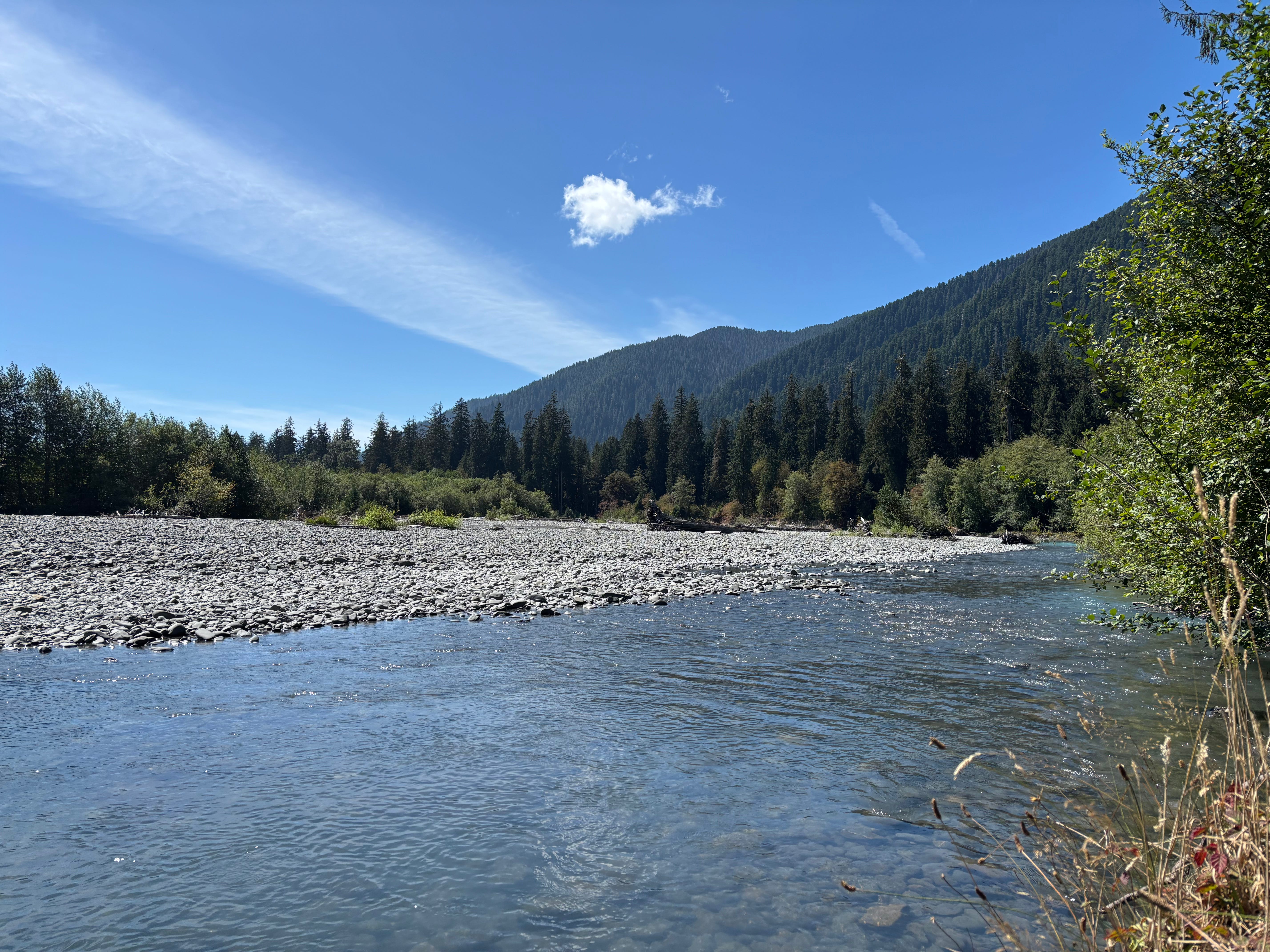
I didn’t trek up to Washington to do reporting, though; I needed a vacation. And I’m happy to say the wilderness did its job. I feel refreshed, restored, energized.
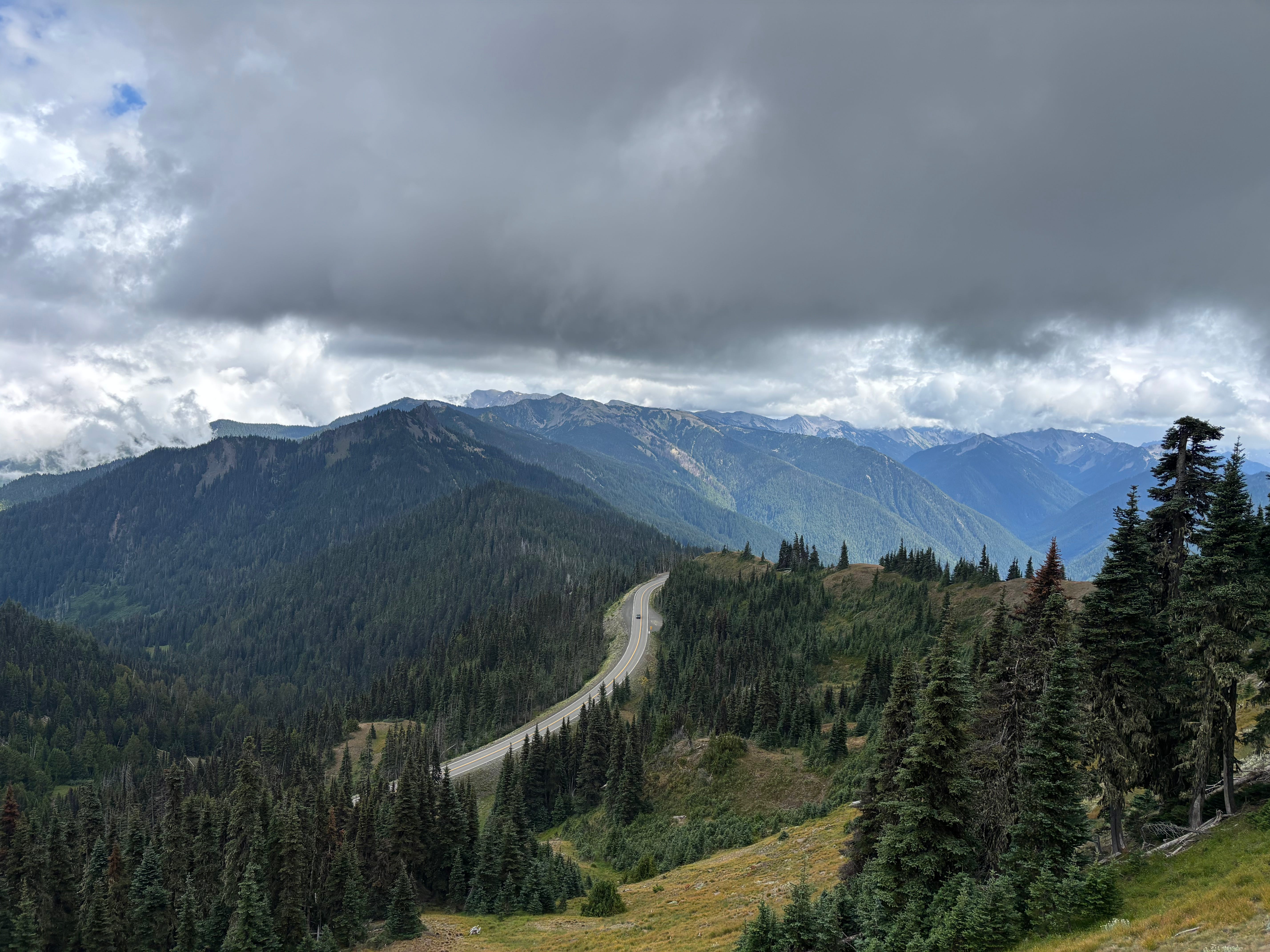
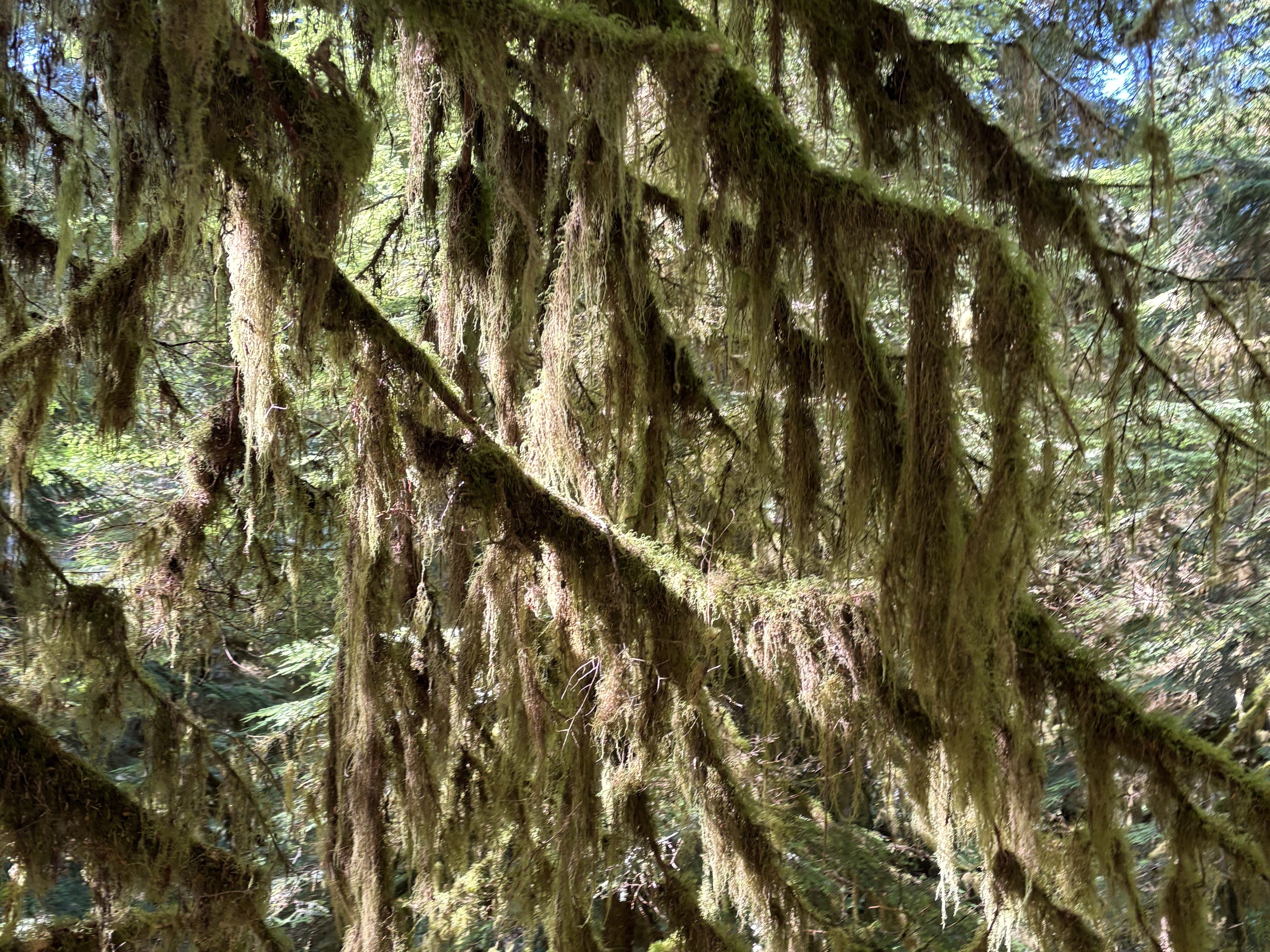
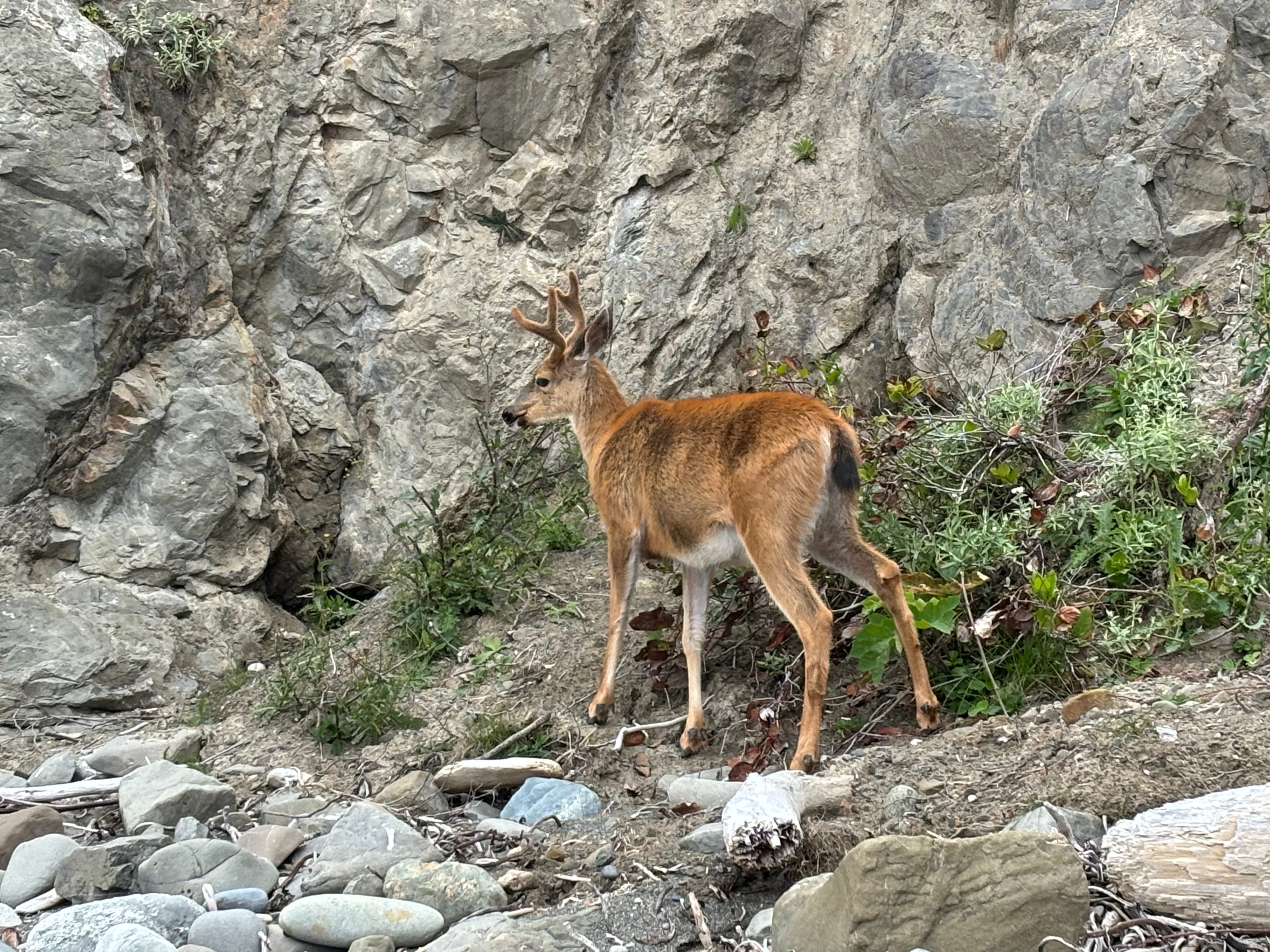
I’ll be back next week with more newsletters. In the meantime, here are some pictures I took of Olympic National Park:
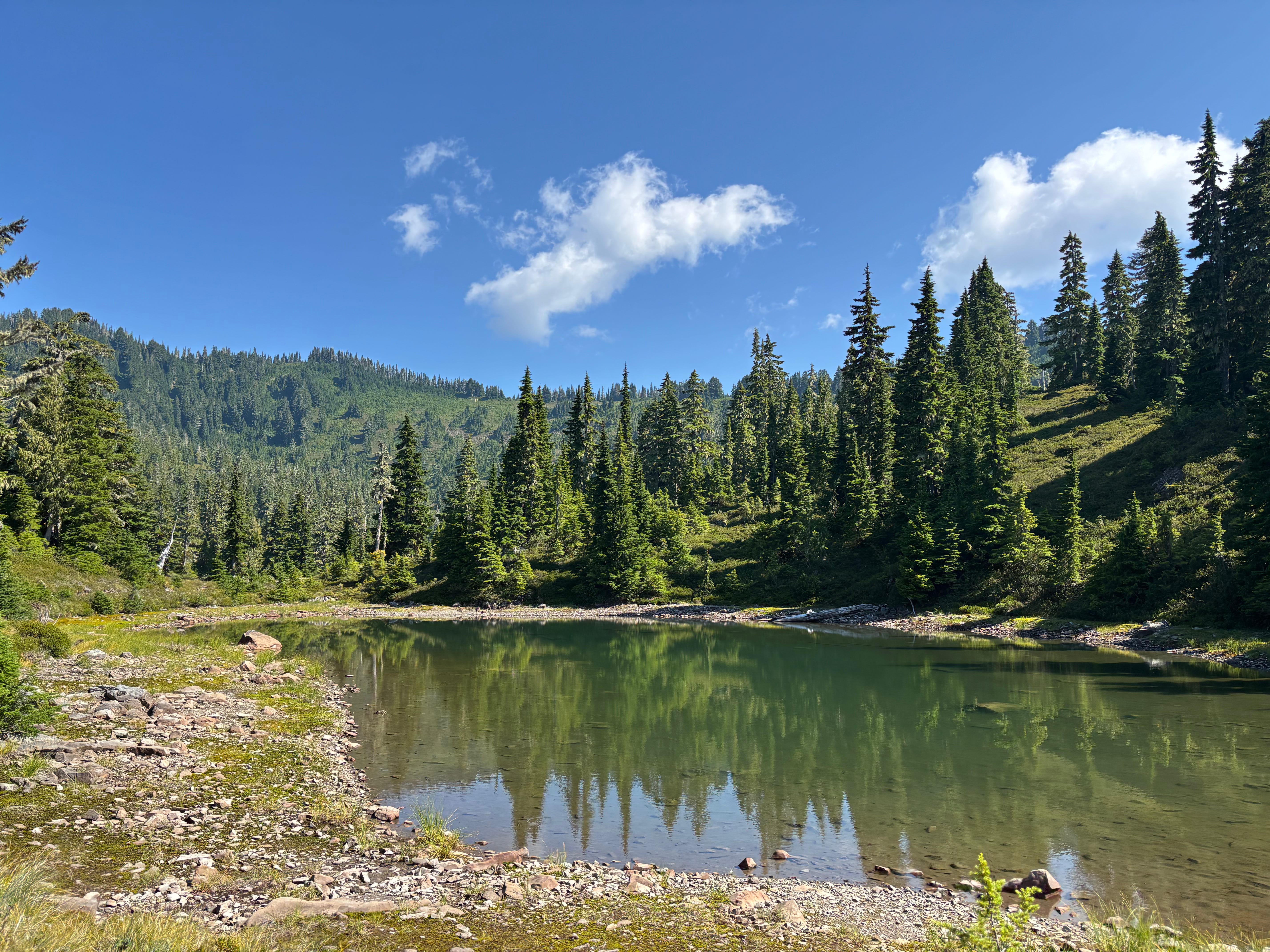
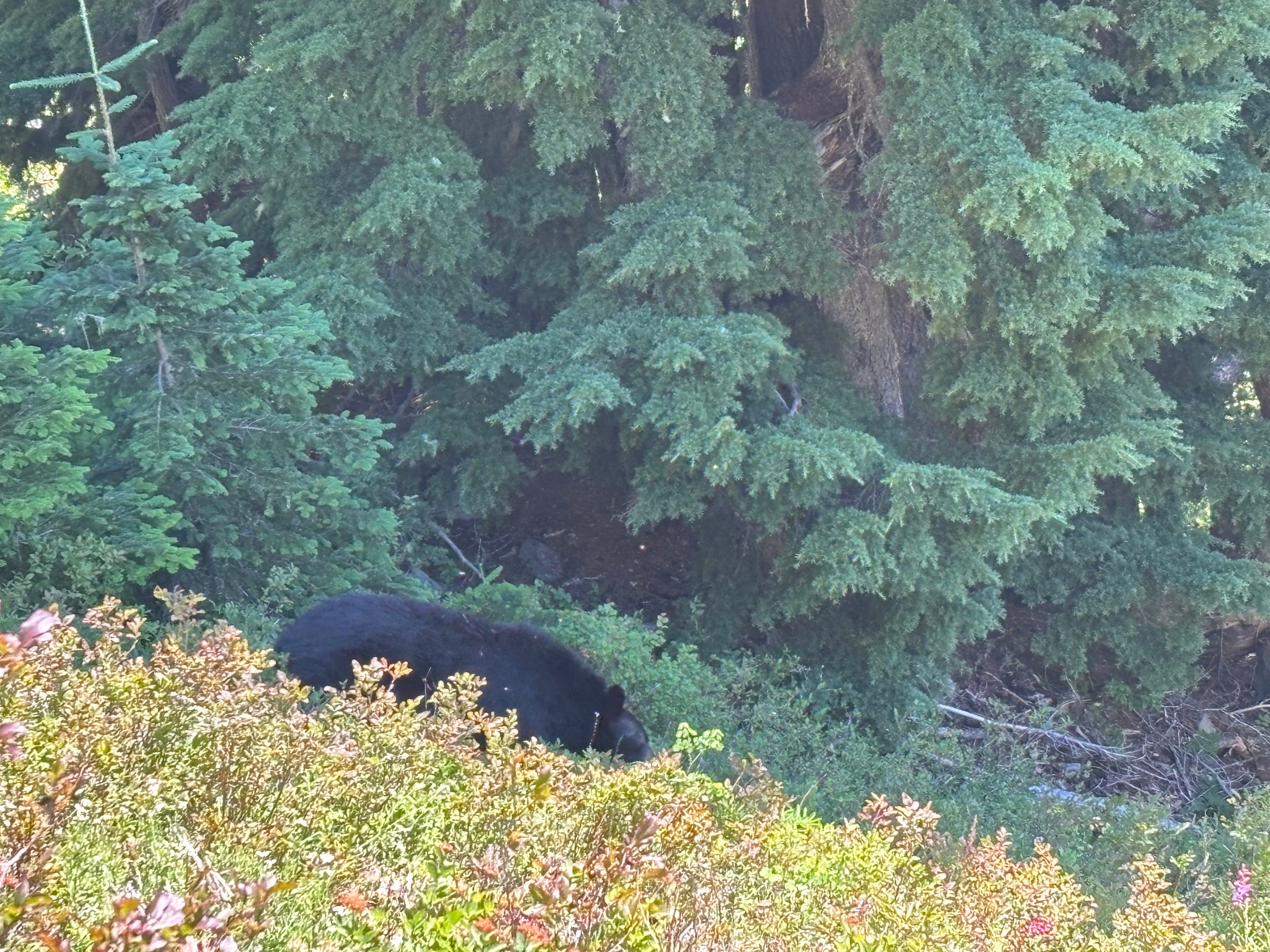
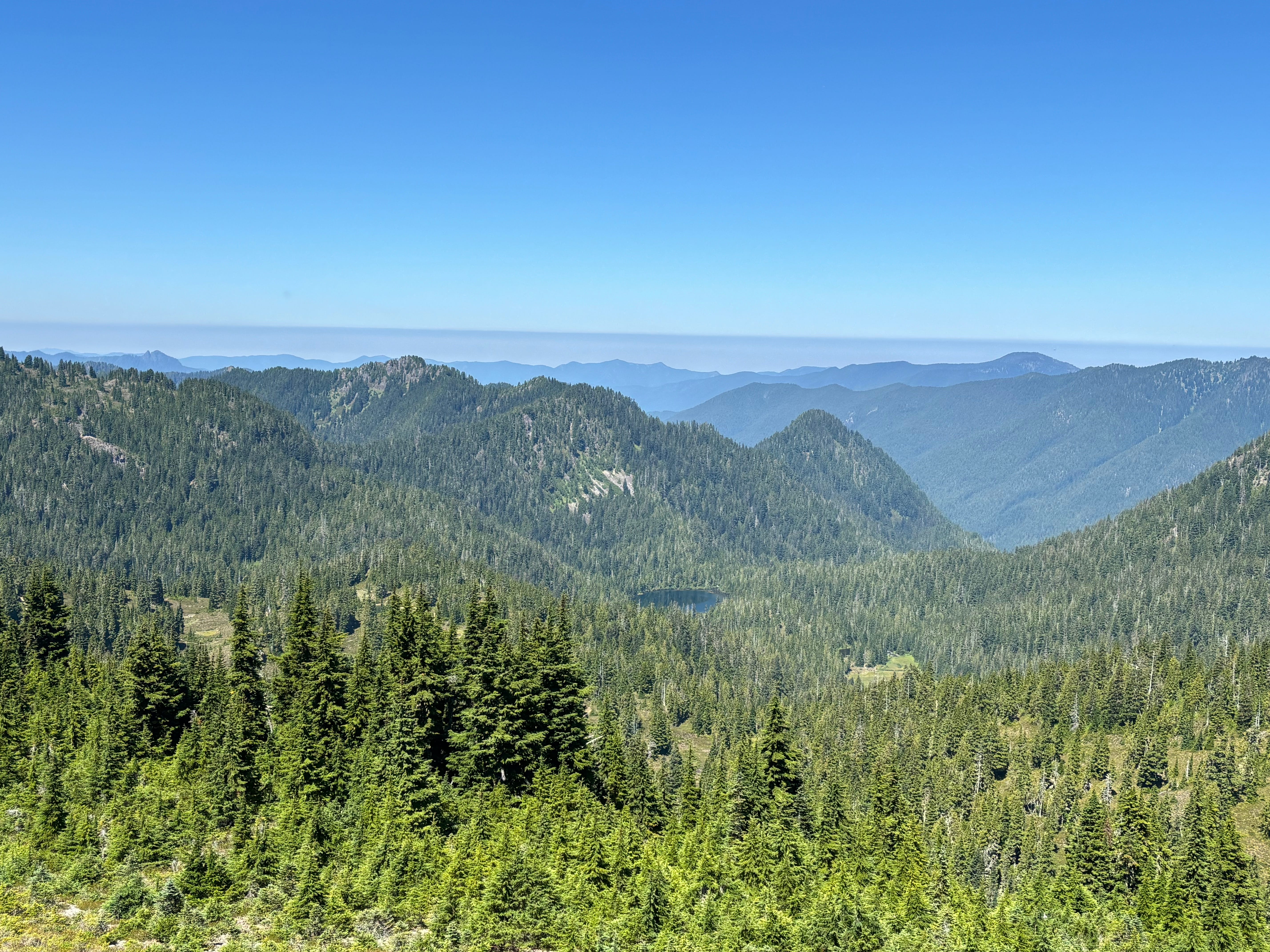
After emerging from the woods, I learned that state and local officials had finally determined, conclusively, that a Southern California Edison power line did indeed ignite the Eaton fire. Big news, but no time to dwell on it; we were getting ready to camp another night on the Pacific shore, in the park’s coastal section.
This may have been the highlight of the trip for me. As much as I loved the inland scenery, the terrain felt familiar; it reminded me of the Sierra Nevada, but with more moss. The coast, though, was unlike anything I had experienced. Just breathtaking.
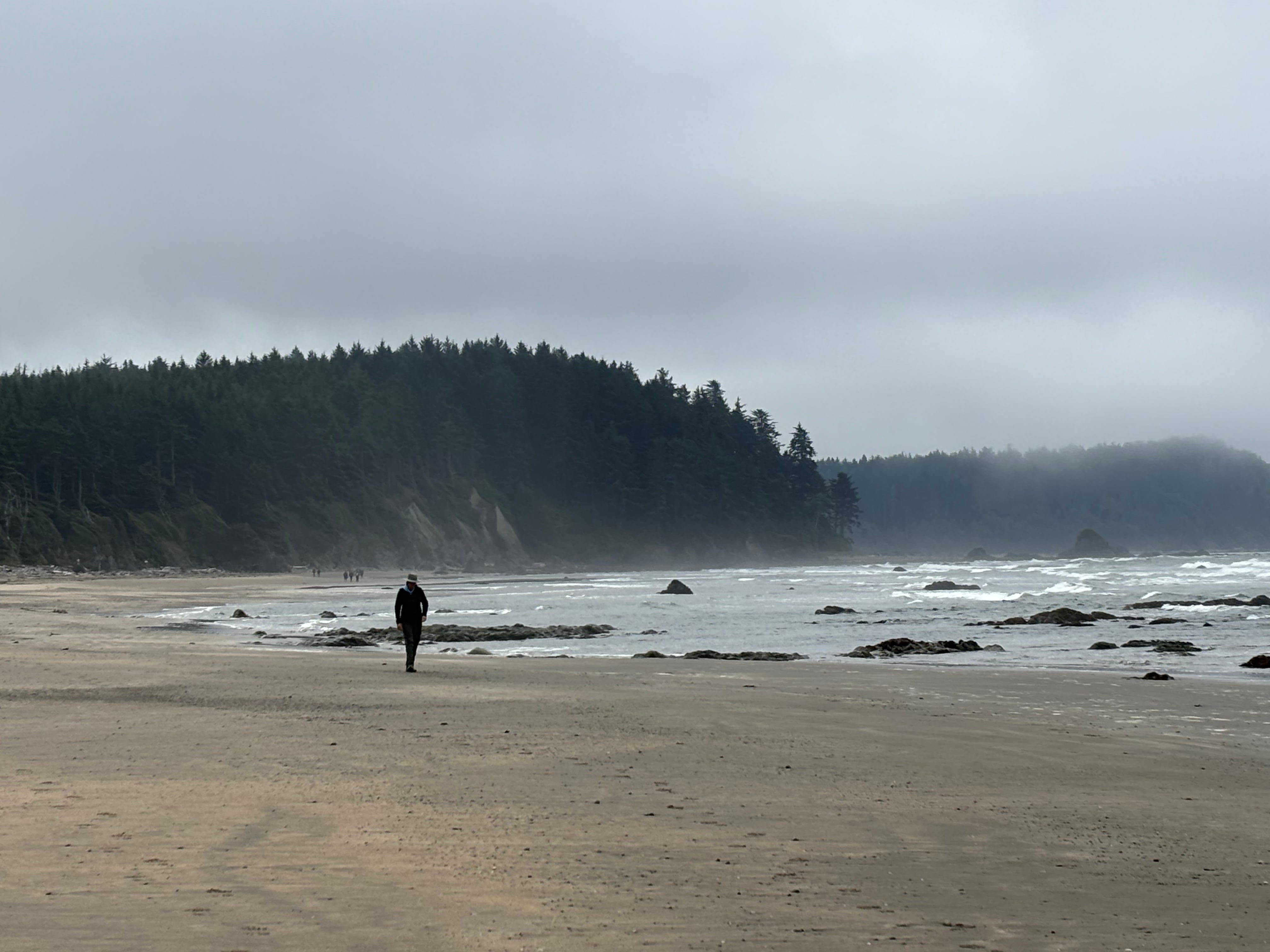
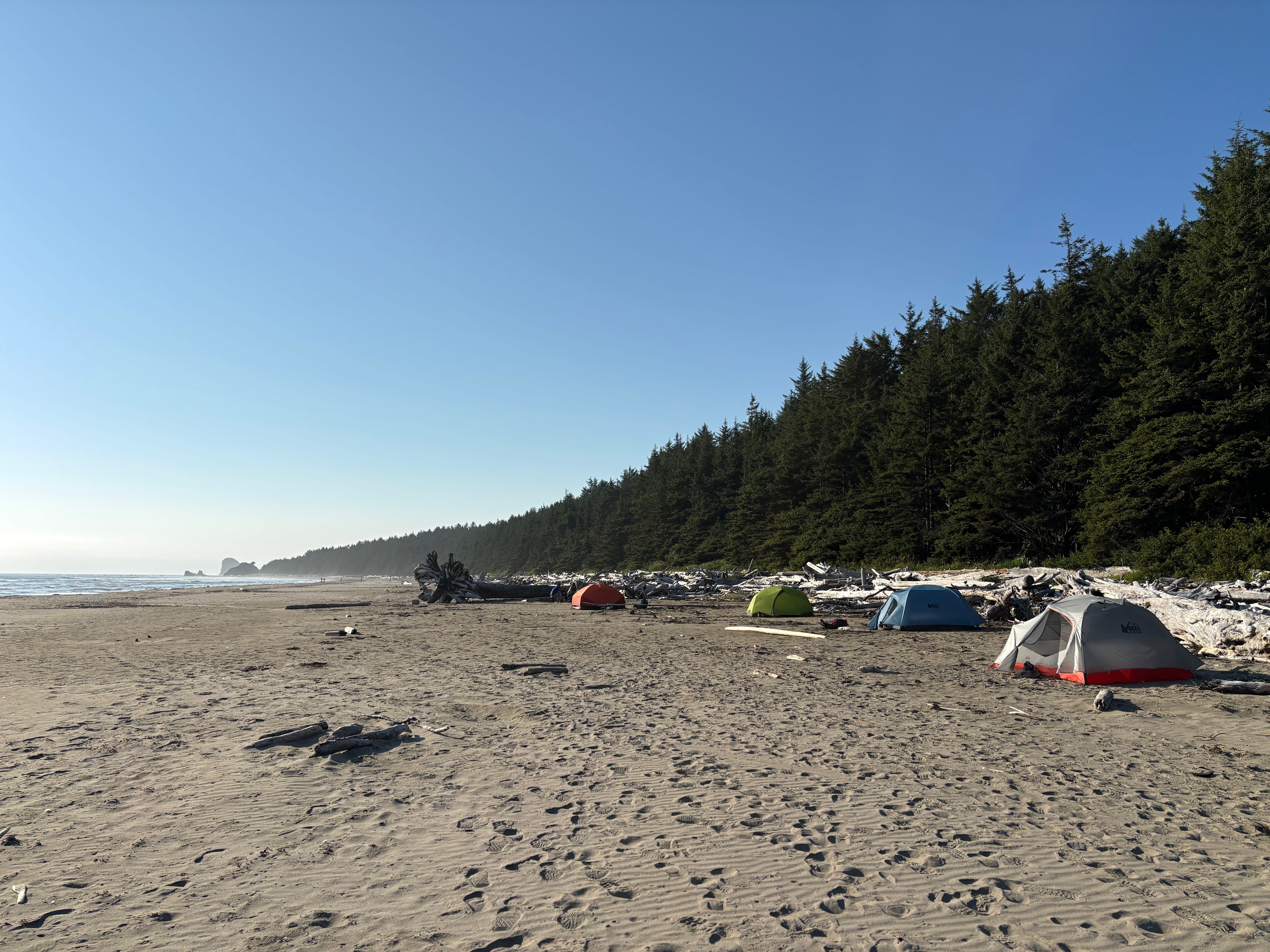
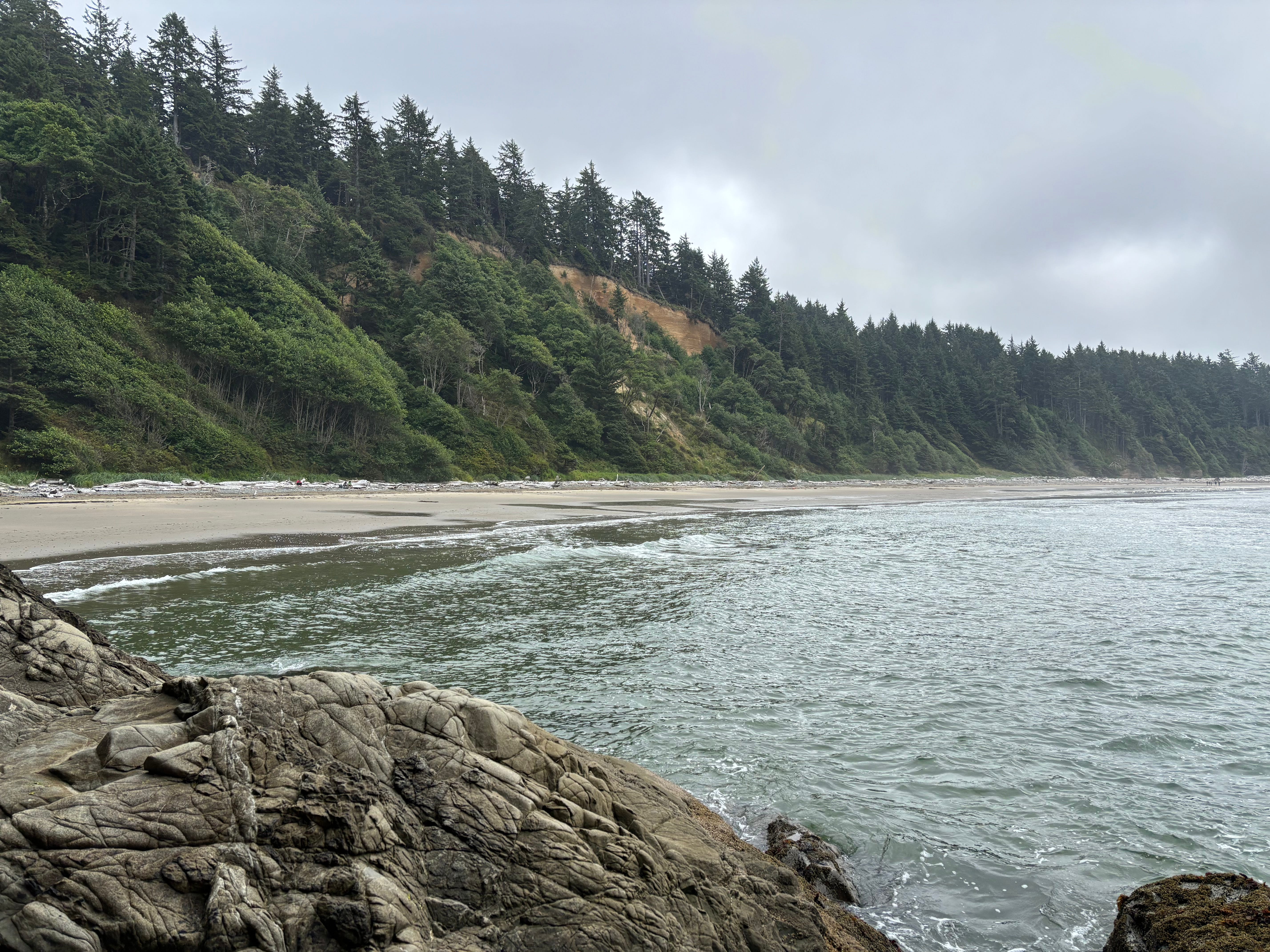
After packing up and hiking out, we spent a few nights in Forks, the real-life town that serves as the setting for the “Twilight” books and movies. There was “Twilight” paraphernalia absolutely everywhere, from the shops downtown to our Airbnb’s living room. My friends made me watch the first film, which I had never seen. So as to avoid offending any fans, I will decline to provide my review.
Before flying home from Seattle, we spent a day Mount Rainier National Park. It was worth the long drive; just look at this 14,410-foot volcano:
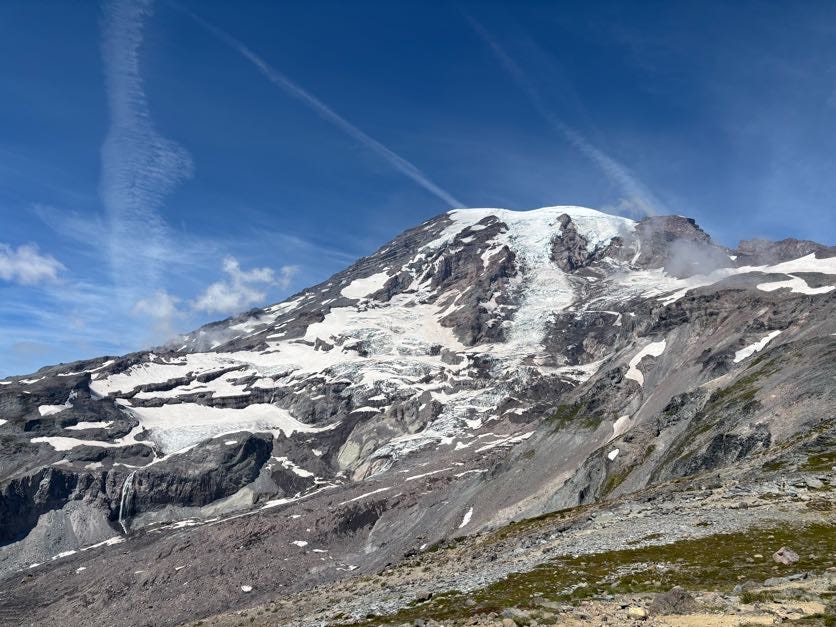
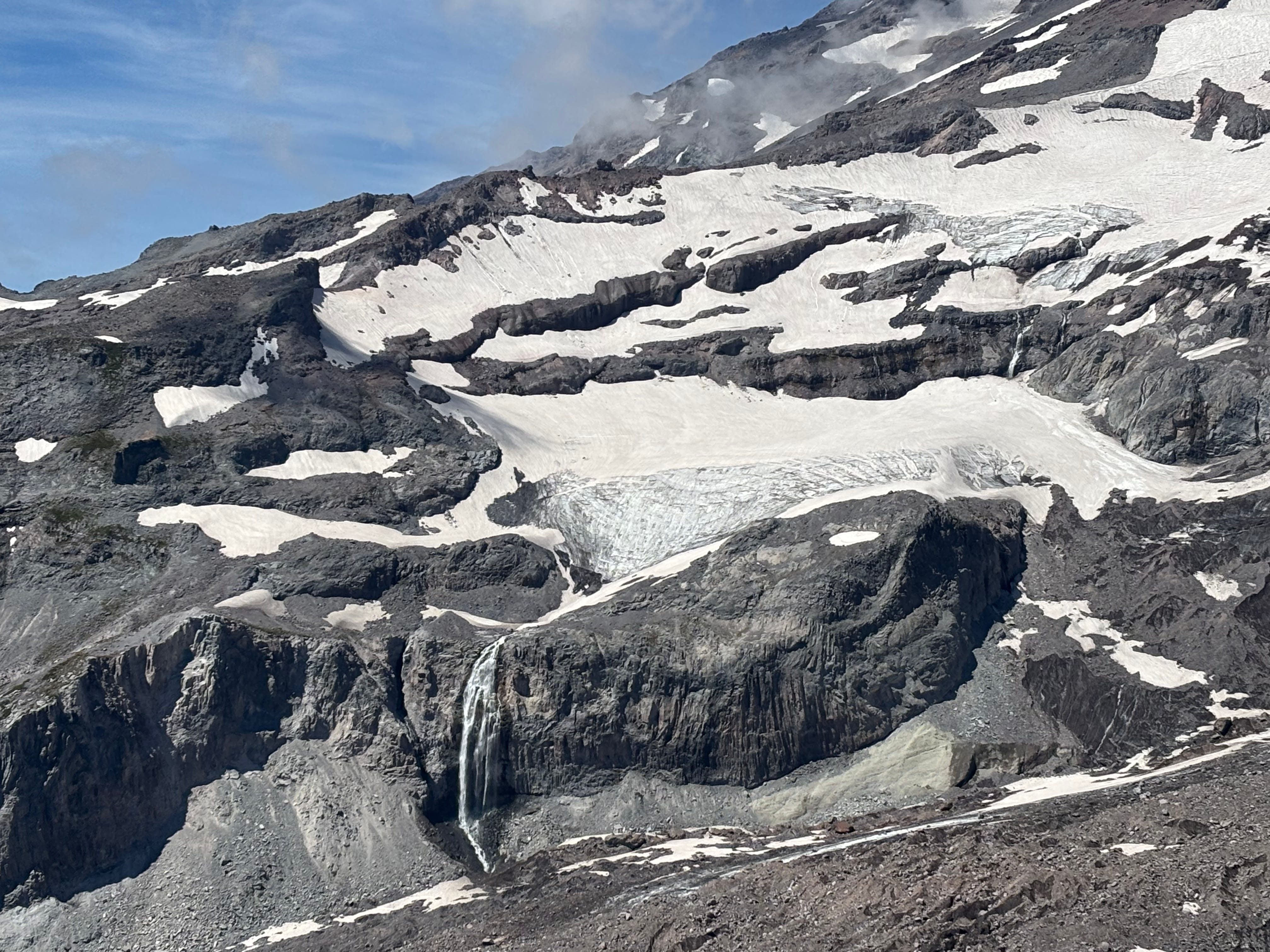
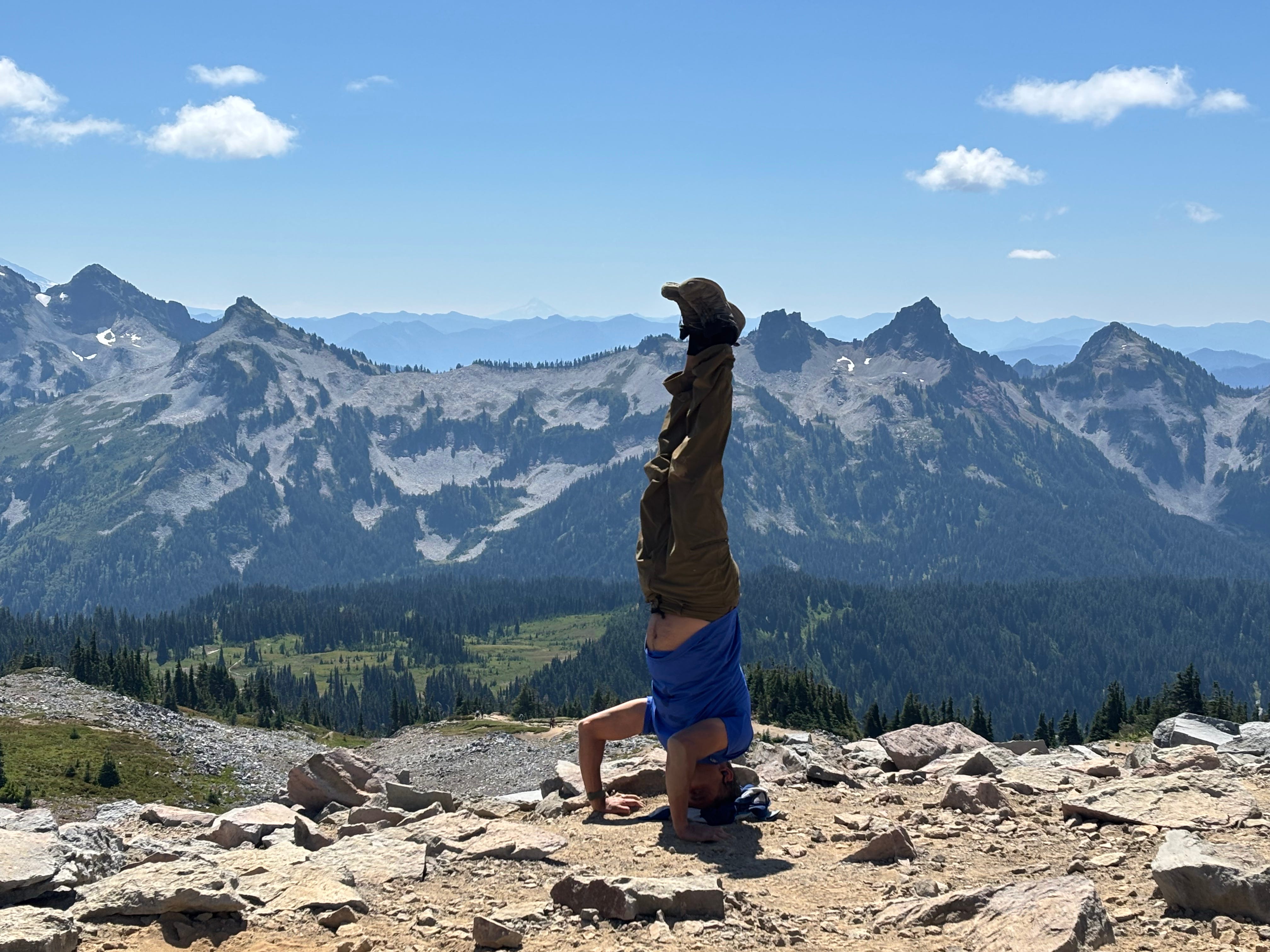
For all the bad things happening, we live in a beautiful world. I’m grateful.
In other news
The energy transition:
California got more than half its electricity from solar in May, a world record. And every year, the numbers keep rising. (Blanca Begert, L.A. Times)
Artificial intelligence could help oil and gas companies create up to 13 times more climate pollution, according to a new study — dwarfing the climate impacts of data center energy use. (Emily Atkin, HEATED)
California utilities are fighting a major bill whose author says it would help cut down on electric rates — and fuel the transition to cleaner cars and heat pumps. (Jeff St. John, Canary Media)
Climate consequences:
July 2026 was the hottest month ever recorded in the Lower 48 states. (Seth Borenstein, Associated Press)
Nearly 20% of World Cup matches were played in potentially dangerous heat conditions. (Dharna Noor and Seán Clarke, the Guardian)
El Niño could conspire with global warming to bring California its highest sea levels ever recorded. (Rong-Gong Lin II, L.A. Times)
Trump tomfoolery:
The Trump administration agreed to pay another energy developer more than $1 billion to cancel several offshore wind farms — including off the coast of California — and invest in gas instead. (Hayley Smith, L.A. Times)
The administration outright admitted in court documents that it canceled billions of dollars in clean energy grants because they would have benefited states that voted for Kamala Harris. (Tony Romm and Brad Plumer, New York Times)
Are Trump’s new solar tariffs good or bad for American solar? Depends who you ask. (Julian Spector, Canary Media)
Along the Colorado River:
The federal government’s Colorado River plan is here. It doesn’t say the words “climate change,” but for once the Trump administration is being forced to reckon with climate change — a sign of just how bad things have gotten at Lake Mead and Lake Powell. (Ian James, L.A. Times)
Not long after federal officials released their water plan, Lake Mead hit an all-time record low. (Alex Hager, KJZZ)
The state of Colorado’s largest reservoir, Blue Mesa, is less than 25% full — a sign of hard times in the Upper Basin’s biggest state. (Shannon Mullane, Colorado Sun)
Finally, I’m excited to see L.A. Times Studios restart the Boiling Point podcast, which I hosted when it first launched last year. It’s now hosted by independent investigative reporter Miranda Green, whose work I’ve enjoyed reading for a long time.
The first two episodes feature interviews with Los Angeles Times journalists Grace Toohey and Susanne Rust. The show is worth checking out.
One more thing

On Wednesday, basketball legend Russell Westbrook announced his retirement from the NBA after 18 seasons. I was lucky enough to talk with Westbrook last month; he’s recently become a vocal climate and clean air advocate. You can read more here.
Congrats to Westbrook on an amazing career. Hopefully we’ll be hearing even more from him soon on clean energy, electric vehicles and public transit.