

Tell me your dreams for 2036
Plus: Berkshire Hathaway is reviving a lithium technology that Elon Musk wanted to buy for $325 million.


In 10 years, a lot of things will be different — some for worse, some for better.
Solar panels, batteries and electric vehicles will be even cheaper. The Colorado River Basin will be even drier. The world will be even hotter. The United States will elect its next president — hopefully building on a robust track record of new climate laws. Los Angeles will have achieved its 2035 goal of 100% clean power — unless it doesn’t. How strong or weak will the oil industry be? What about the insurance industry?
Those are a few of the questions and considerations that come to mind for me when I think about 2036. What about you?
Actually, how about this: What do you want the world to look like in 10 years?
Let’s get creative: Write a climate-related headline (or headlines!) that you’d like to see a decade from now. Make it optimistic, or fanciful, or even a bit vindictive, if you’re so inclined. Then send it to me by replying to this email (or if you’re a paid subscriber, by leaving a comment on this post).
I’ll pick some outstanding entries and create a poll for folks to vote on their favorites. The winners will get one-year paid subscriptions to Climate-Colored Goggles, free of charge.
If you’ve never written a news headline, that’s OK! The goal isn’t to get yourself a job at the New York Times or CNN (or on Substack). It’s to force ourselves to step outside the climate gloom and doom we’re enduring in the present, and to imagine — even for a few minutes — what a better future might look like, not so long from now.
I’m looking forward to hearing everyone’s ideas.
Also, keep this in mind: We’re writing headlines, not run-on sentences (and certainly not paragraphs). Keep them snappy!
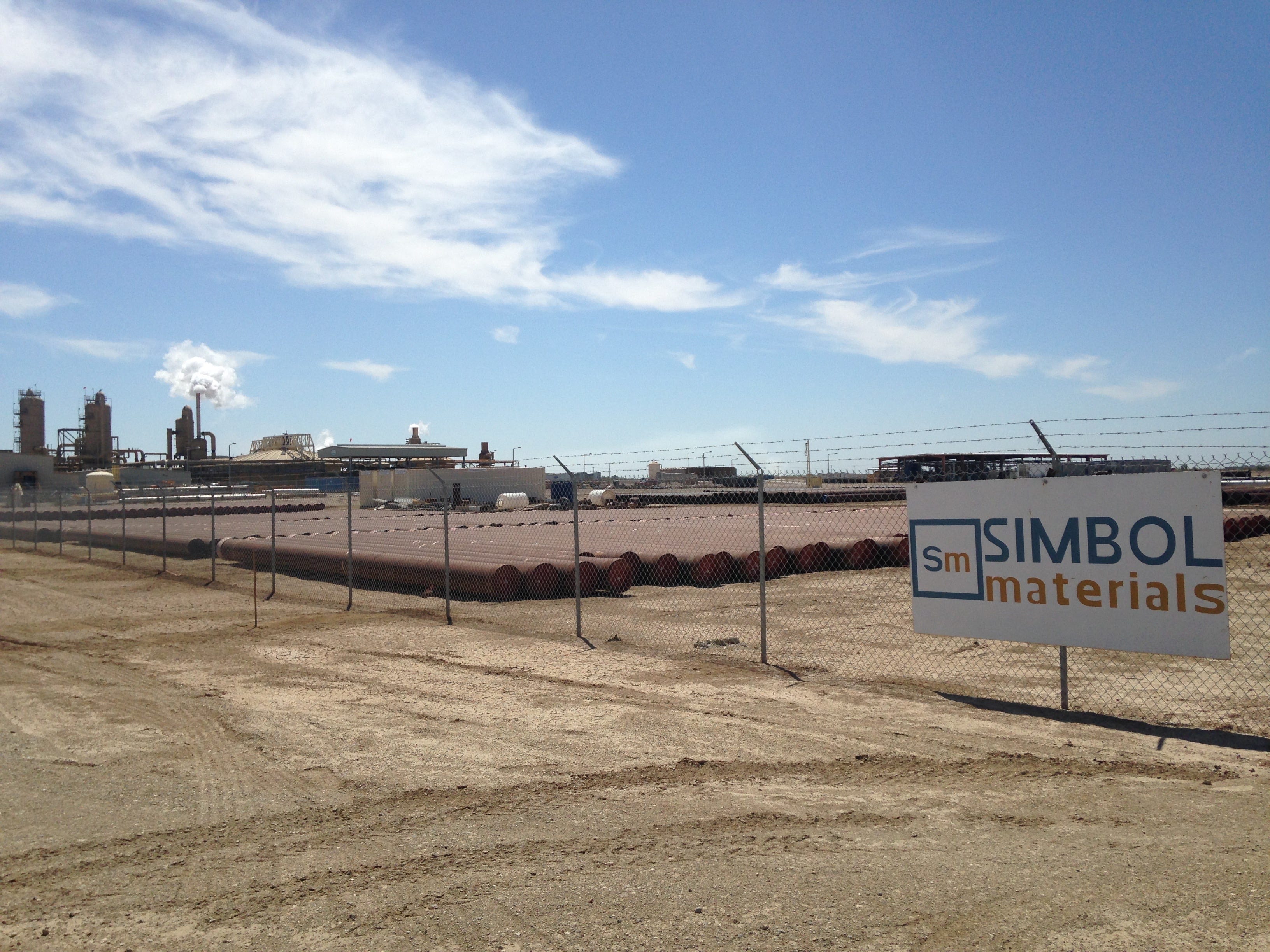
In California’s ‘Lithium Valley,’ Simbol Materials lives
Now that we’ve zoomed forward a decade, let’s zoom back.
Ten years ago this month, I scored one of the cooler scoops of my young journalism career: Tesla had offered to buy a promising lithium startup at California’s Salton Sea for $325 million. I obtained a confidential letter from Elon Musk outlining the offer.
“Tesla is prepared to move quickly to negotiate a potential transaction,” Musk wrote.
The deal never happened — more on that in a minute — and within a few months the cleantech startup, Simbol Materials, had ceased operations.
But a decade later, Simbol’s lithium extraction technology continues to captivate some of the world’s savviest investors. Which brings us to this week’s news.
On Monday, Berkshire Hathaway Energy and Occidental Petroleum announced the “successful advancement” of their lithium extraction technology “using geothermal brines in California’s Imperial Valley.” The companies said they “achieved important technical milestones,” including production of lithium chloride, conversion of lithium chloride to lithium hydroxide and manufacture of battery-grade lithium carbonate.
Translation: Two of America’s energy powerhouses — one a pillar of Warren Buffett’s corporate empire, the other a Houston-based oil major — say they’re inching closer to cracking the code that Musk so badly wanted to crack.
You won’t find this in the press release, but the Berkshire/Occidental partnership was made possible by technology originally developed by Simbol.
After the startup went bust, its assets changed hands several times, eventually landing with a new firm called TerraLithium — which was ultimately acquired by Occidental. In 2024, Occidental decided to test Simbol’s tech by teaming up with Berkshire, which owns a fleet of geothermal power plants along the Salton Sea’s southern shore.
Like other geothermal power producers, Berkshire drills into natural pockets of deep underground heat, pumping up superheated fluid called brine and using the steam to turn turbines, generating 24/7 climate-friendly electricity. One of the big drawbacks is that it’s not cheap. Geothermal power from beneath the Salton Sea is especially costly; the scorching-hot brine is thick with lithium and other minerals, corroding pipes and necessitating expensive maintenance.
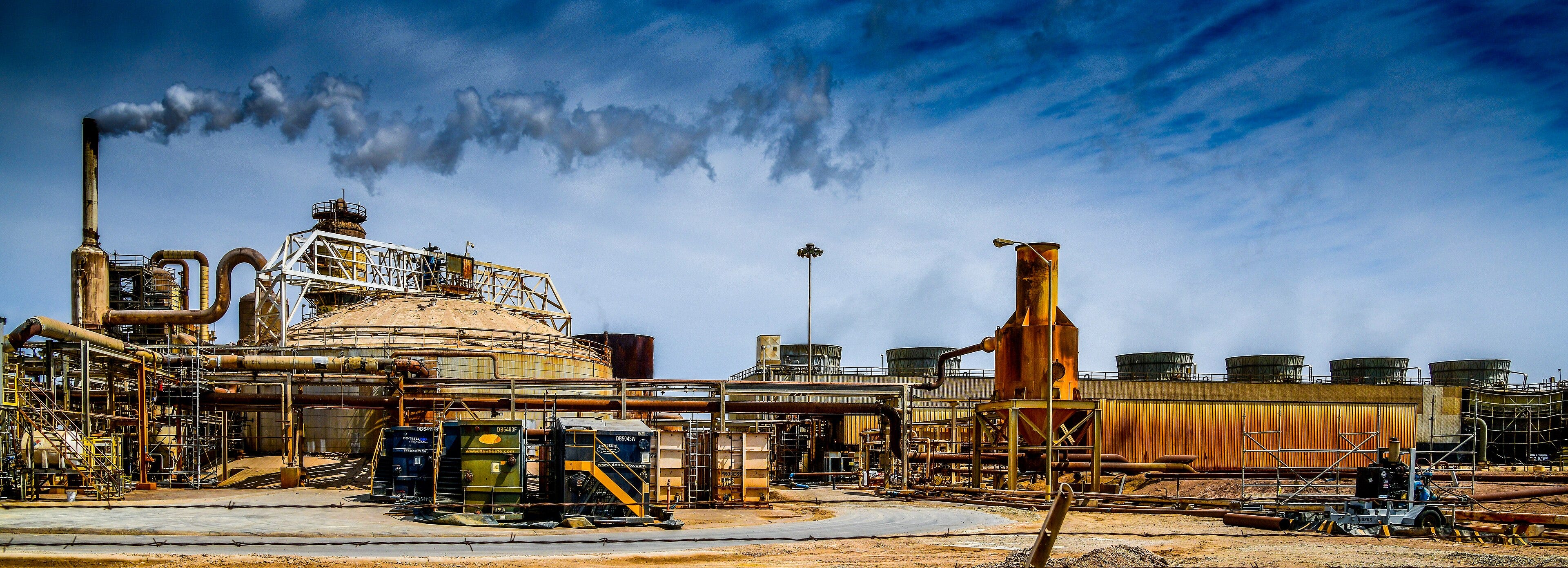

On the bright side, if you can figure out a way to extract the lithium before injecting the brine back underground, you can sell it for a profit, improving your economics — and fueling the energy transition. Lithium is a key ingredient in lithium-ion batteries for electric vehicles and renewable energy storage.
That’s why Musk was willing to pay $325 million for Simbol, long before EVs started outselling gas cars across much of the world. Although several companies say they’ve developed cost-effective tech to remove lithium from Salton Sea brine, nobody’s built a commercial facility yet.
Hence the long-standing fascination with Simbol. Whatever the company figured out in the early 2010s, it keeps impressing engineers and investors — now including those at Berkshire and Occidental.
Their press release says nothing about Simbol. But all of Occidental’s TerraLithium patents list Simbol’s former chief technology officer, Stephen Harrison, as one of the inventors. The next-most-cited inventor is Simbol’s former CEO, John Burba.
If Simbol invented such great lithium extraction technology, why didn’t the deal with Tesla go through? And why did the much-hyped startup then collapse?
I’m still not totally sure. But as I reported in 2016, Simbol commissioned a valuation that estimated the firm to be worth $2.5 billion. A former Simbol executive told me at the time that its board of directors hoped to strike a deal with Tesla for $1.6 billion — far more than Musk wanted to pay. The startup also faced a lawsuit from one of its co-founders, who alleged financial wrongdoing.
So what comes next? On Monday, a Berkshire executive said the successful tests “will be used to inform future engineering, scale-up assessments and project planning.”
Fingers crossed that everything keeps working out, because extracting lithium from geothermal brine is a lot less environmentally harmful than traditional mining — not that we won’t need some mines too, if we want to phase out fossil fuels.