

Soaring over a changing California
Twenty-five years later, reevaluating a classic Golden State story.

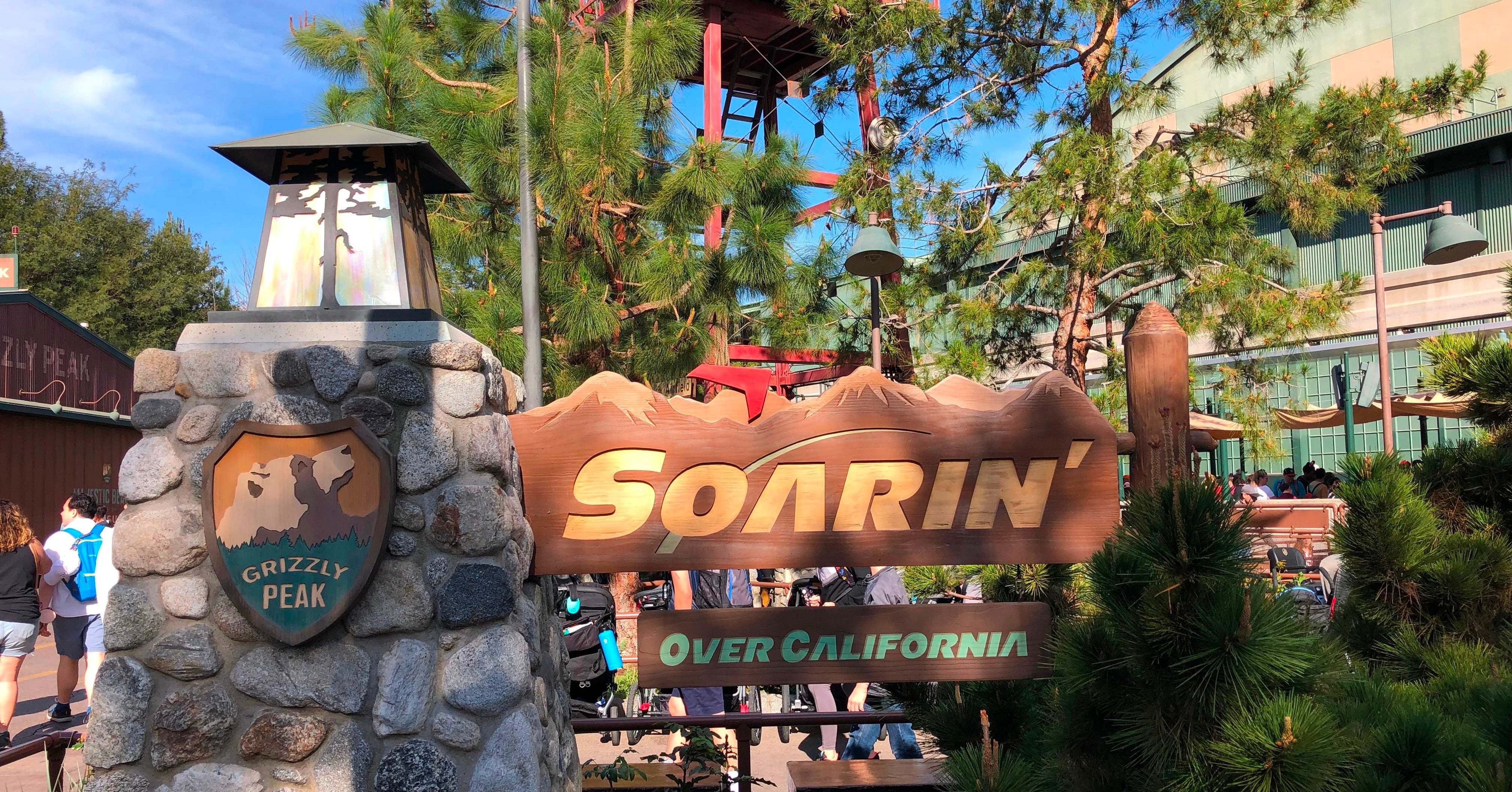
I love California, and I love Disneyland, and I see the world through climate-colored goggles. So maybe it’s inevitable that I’ve come to experience one of my favorite rides — Soarin’ Over California, a stunning aerial tour of our coasts, deserts and mountains — as a reminder of how much this great state has changed since the motion simulator ride opened a quarter-century ago.
Lifted into the air last month, I found myself sighing at the sight of the Sierra Nevada blanketed with heavy snow near Lake Tahoe, projected onto an enormous 180-degree dome screen. If only we had such abundant snow now! If only global warming weren’t making years like that one less and less likely.
I’d had the same reaction riding Soarin’ during previous periods of dismal snowpack. But this time the wistfulness cut deeper. Perhaps because a climate-fueled March heat wave had recently broken temperature records across the Western U.S., melting much of the already-meager snow and imperiling downstream water supplies.
Or maybe I felt so pensive because Soarin’ just celebrated its 25th anniversary, and 25 is the kind of number that makes you stop and reflect.
When Disney California Adventure opened in February 2001, with Soarin’ a marquee attraction, the state hadn’t suffered through any of the fires that are now its 15 largest on record. Average temperatures were several degrees cooler. Sea levels were lower.
At what point are we soaring over a fundamentally different California?
Most people aren’t thinking about climate at Disneyland (at least not yet). But for me, last month, every scene on Soarin’ called the climate crisis to mind.
Come fly with me…
The Golden Gate Bridge
Soarin’ begins at a California landmark. Although rising seas won’t topple the bridge itself, the ride’s aerial footage also features San Francisco, where low-lying areas such as the Embarcadero and Crissy Field could be inundated. More broadly, the entire Bay Area faces significant flood risks.
Seeing the Golden Gate also made me think of “The Wild Robot,” a wonderful 2024 film that takes place in a nearish-future world reshaped by global warming. In one of the animated movie’s most powerful moments, a flock of Canada geese pass over the bridge’s red towers — and the waters of San Francisco Bay cover the highway. There are whales swimming where traffic should be. The bridge is underwater.
A likely scenario? Hardly. But the filmmakers worked with climate experts to convey the magnitude of the crisis. The movie certainly leaves an impression.
Redwood Creek, Humboldt County
Next the ride transitions to Redwood Creek, the aerial camera swooping low over the creek’s gentle waters as kayakers paddle downstream. It’s a serene moment.
So it’s jarring to realize that the creek’s namesake trees are increasingly threatened by worsening fire and intensifying drought — not to mention diminished fog. It’s painful to imagine such magnificent trees dying needlessly.
Napa Valley
As we flew from the redwood forest to the picturesque vineyards of wine country — colorful hot air balloons milling about, rolling hills extending into the distance, Jerry Goldsmith’s glorious score adding to the sense of awe — I thought about the wildfire smoke, water shortages and extreme heat crushing California winemakers.
I also remembered that California Adventure features a working vineyard. I doubt it’s going to fall victim to climate change. But many growers won’t be so lucky.
Monterey Bay
Transitioning to the deep blue waters of the Central Coast, I recalled my recent visit to the world-famous Monterey Bay Aquarium. As much as I was enchanted by the sea creatures — the jellyfish were wild, and don’t get me started on the adorable sea otters — I was disappointed that hardly any exhibits discussed the climate crisis.
I didn’t do a comprehensive survey. But I counted only two climate mentions, plus an abstract video about carbon dioxide molecules.
It’s not that the people in charge are ignoring climate change; the aquarium’s website explains that the surface of Monterey Bay has gotten 1.4 degrees warmer over the last century; that the waters are acidifying and losing oxygen; and that wildlife is suffering as a result. But climate is largely missing from the aquarium proper.
Climate is definitely a story better told at a science museum than at a theme park. But a lot more people visit Disneyland than the Monterey Bay Aquarium.
Lake Tahoe
I started with Tahoe, so I won’t repeat myself. But I will suggest that there is, in fact, a role for environmental education at the Disneyland Resort.
Outside Soarin’, in California Adventure’s firefighting-themed Grizzly Peak Airfield, there’s a sign explaining the difference between “helpful fire” and “harmful fire”:
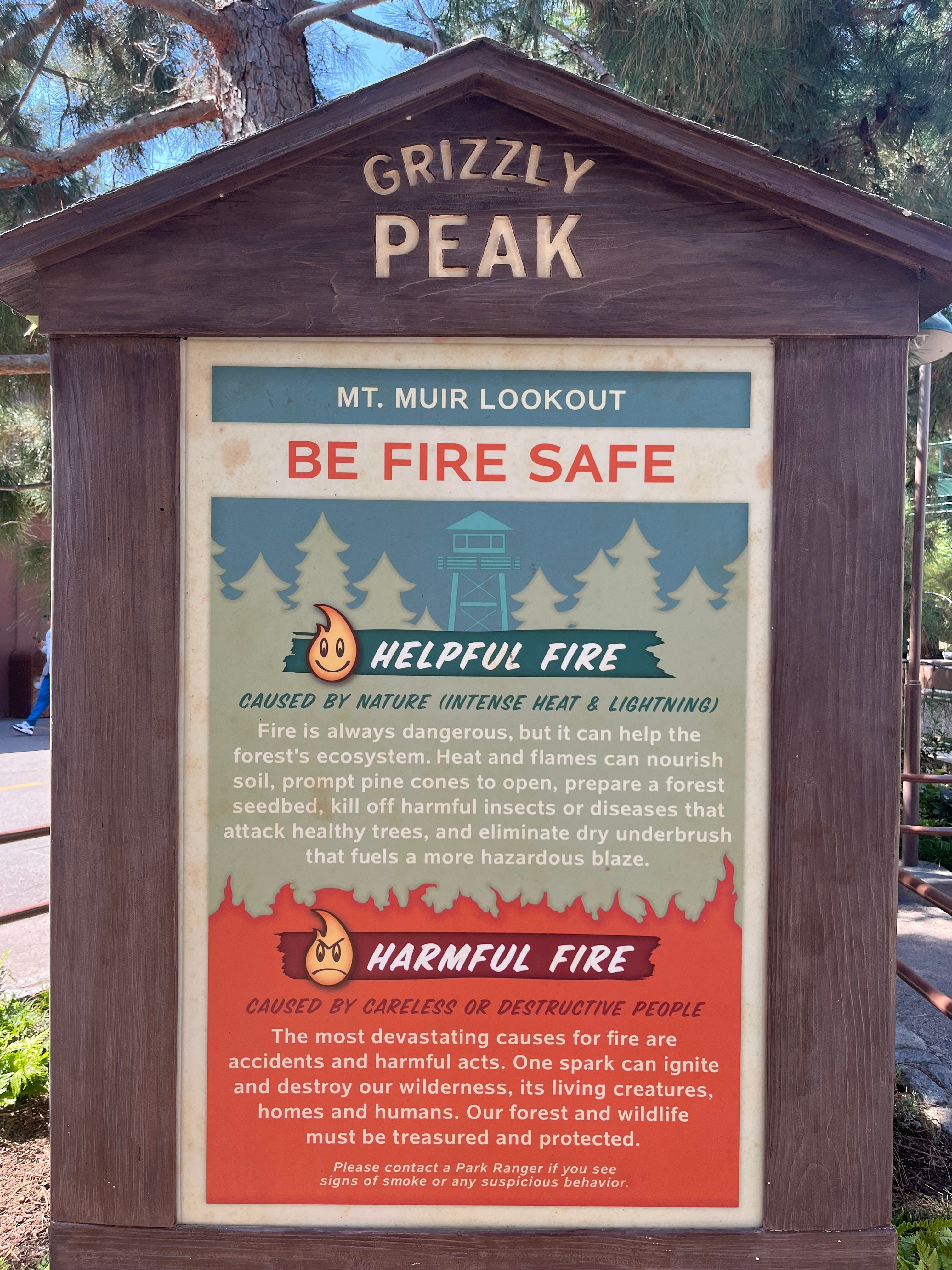
How great is that? Yes, you can still buy Smokey Bear merchandise at the nearby gift shop. But instead of simply promoting the outdated idea that all fire is bad and needs to be extinguished, somebody at Disney made a sign about the environmental benefits of letting certain blazes burn. And somebody else at Disney approved it.
I doubt we’ll ever see in-park newscasts about extreme heat and low reservoir levels. (Nor would I want that. It would be depressing, and Disneyland is the Happiest Place on Earth.) But 25 years from now, if not much sooner, a lot of guests will be confused if Disney is still playing a film showing abundant snow in the Sierra.
Yosemite National Park
After Tahoe, we see Yosemite Falls, water cascading into the valley. A person piloting a hang glider sails onto the screen. We catch a brief glimpse of Half Dome.
Where to begin? Vanishing glaciers. Trees killed by drought stress and bark beetles. Park closures caused by wildfire smoke and fierce storms. The National Park Service warns that due to shifting snowmelt patterns, visitors “may find Yosemite’s waterfalls at their peak during winter, leaving cliffs bare and meadows dry by midsummer.”
Hopefully Yosemite visitors can keep learning about the climate impacts, because the Trump administration is working to strip national parks of facts it doesn’t like.
Coachella Valley
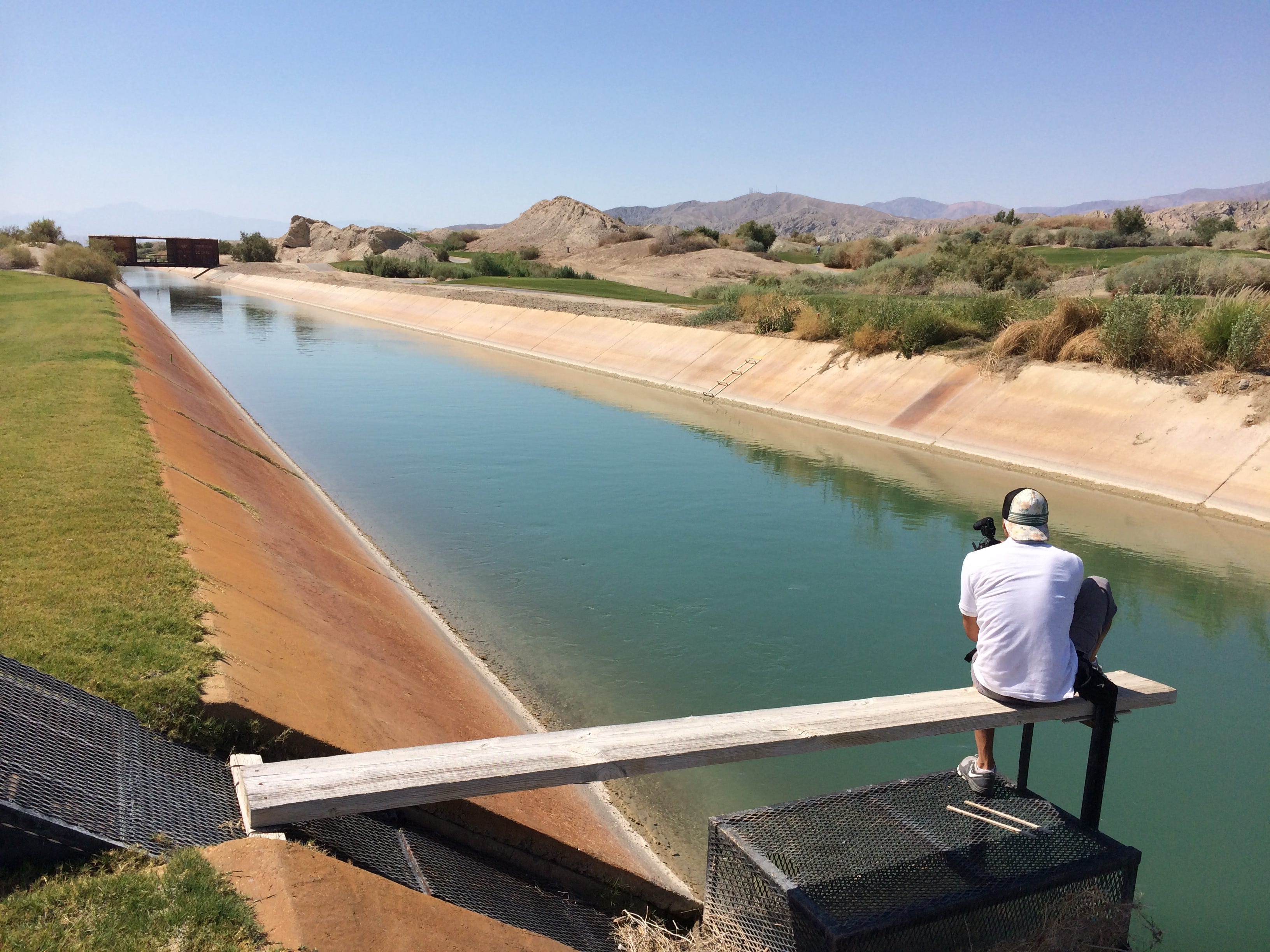
The Soarin’ intro video claims that the next scene takes place in Palm Springs. But as a former Palm Springs resident, I’m obliged to point out that it’s actually a golf course in La Quinta, a 45-minute drive southeast.
Many riders shriek or laugh as a golf ball flies at their faces — it’s a cool effect! But I usually get distracted by the canal running through the course, which brings Colorado River water to desert cities and farms. Like tens of millions of Westerners who depend on the Colorado River for their water, Coachella Valley residents are threatened by the fact that Lake Mead and Lake Powell are terrifyingly low.
I’ve written about the bitter interstate conflict preventing California and its neighbors from saving water and propping up the reservoirs. If I were Disney’s new CEO, I’d put someone in charge of making sure Southern California never runs out of water.
The orange groves
The next scene takes place high above orange groves in Ventura County. But Soarin’ fans know it for the amazing orange scent that Disney pipes in. Yes, you can actually smell the Valencia oranges you’re flying over.
Now get this: Ventura is warming faster than any other county in the Lower 48 states. Extreme heat can take a toll on crops. One Ventura County grower lost more than 70% of her unpicked Valencia oranges during a 2018 heat wave. Others have been battered by fires and floods, and by mudslides destroying their irrigation systems.
Anza-Borrego Desert State Park
Back to the desert. We soar over rugged brown peaks before slowing to admire a vast open vista. An ear-splitting roar heralds the arrival of military fighter jets.
As a San Diego Union-Tribune headline put it in 2022: “Climate change is ravaging Anza-Borrego Desert State Park, warn scientists.” The article explained:
“For decades, scientists assumed California’s Colorado Desert — which stretches from eastern San Diego County into Imperial Valley and up to Joshua Tree National Park — would withstand the impacts of climate change.
Today, researchers have changed their tune. Streams are disappearing, plants shriveling. Animals are desperate for nourishment with iconic bighorn sheep evermore dependent on human interventions.”
Naval Air Station North Island, San Diego
Sadly, watching this scene last month made me think about war. The air and water pollution unleashed on the people of Iran. The Strait of Hormuz, high gas prices and the case for clean energy independence — including electric cars. The rising military spending that could instead go toward climate.
My late grandfather was a proud World War II veteran who served in Europe and the Pacific; we rode Soarin’ together more than once. He yearned for a world without war, as do I. Surely less war will mean a more stable climate, and vice versa.
Malibu
This one hurt more than I expected. As the camera swept out over the Pacific Ocean, the water golden in the sunset light, I thought about the Palisades fire, and the homes that had burned in Malibu and Pacific Palisades.
The Soarin’ footage was gorgeous. But with climate on my mind, it brought back bad memories of smoke-tinged sunsets during the worst days of the fire.
Downtown Los Angeles
I could list all kinds of climate problems in my hometown: drought, wildfire, sea level rise, heat-trapping pollution spewed by cars and trucks on L.A.’s many freeways.
One of those freeways (the 110) serves as the focal point of this scene, traffic passing by the arena formerly known as Staples Center. But even though it was filmed at night — in fact, because it was filmed at night — I’m going to highlight rising temperatures. Heat kills more people than all other weather hazards combined. And global warming is extra harmful to human health because it’s driving up nighttime lows, depriving our bodies of the chance to cool down, as Angelenos learned last month.
Unhoused people — like those living on downtown L.A.’s Skid Row — are especially vulnerable to extreme heat. But plenty of people with homes are also at risk.
Disneyland
Soarin’ ends on Main Street, U.S.A. Tinker Bell sprinkles pixie dust. Fireworks erupt over Sleeping Beauty Castle. Happily ever after.
As a climate-conscious Disney fan, I’m eagerly awaiting October, when a big change is coming to Tomorrowland, next door to Main Street. Thanks to my prodding, Disney will shut down the 71-year-old Autopia ride, which still runs on polluting oil-powered engines. Eventually, Disney has promised to reopen the ride with electric vehicles.
I hope the company has the leadership and courage to look beyond the politics of the next few years and keep reimagining its storytelling with climate change in mind. I’ve argued for revitalizing Tomorrowland as a cleantech showcase; there are also loads of opportunities for small touches throughout the parks, like the “helpful fire” sign. And on a practical level, the parks need more shade. They need more water filling stations. They need to be pleasant places on a heating planet.
As for Soarin’ Over California, I still feel a surge of joy every time I ride, otherwise I wouldn’t keep doing it. Whatever melancholy I feel, it’s the same whenever climate is on my mind, which is most of the time — at a baseball game, on a hike, watching TV. Nothing can take California away from me. I loved this state 25 years ago, when I was eight years old. I’ll love it 25 years from now, when I’m in my late 50s.
But I don’t know if it’s the same state now as it was in 2001. It definitely won’t be the same state in 2051. Hopefully Disneyland won’t be the same either.
Car Culture, Part 1: The Battle for Disneyland

Should we drive electric vehicles or try to stop driving? "Life After Cars" meets the Happiest Place on Earth.
I've enjoyed your writing for years, and this piece really moved me. I found myself thinking about my visits to Disneyland and realized I've mostly just experienced it for what it felt like in the moment, missing the opportunity to reflect on the bigger picture, and even the possibility of getting them to make positive changes. You've got me thinking about ways that I can apply your "climate-colored goggles" frame of mind to my volunteer climate policy advocacy work, which I've increasingly come to realize is all about storytelling. Thank you!
Forever grateful to Sammy for prodding Disney about dumping the polluting gas cars of Autopia in favor of electric putt-putts and I can't wait for October. Think of it--when those gas-guzzlers go away, it'll be a full-throated endorsement of EVs and a repudiation of oil by one of the biggest, most beloved brands in the world--globally.