

'Shrinking' away from the climate crisis
Plus: Updates on the California governor's race and the Hollywood Climate Summit.


It’s hot in the American West right now, frighteningly hot — triple digits Wednesday in Los Angeles County, mid-90s in the Bay Area, low 90s in St. George, Utah, mid-90s in Las Vegas. Phoenix is expected to hit 106 degrees shortly. It feels more like summer than just barely spring. Records are collapsing everywhere.
This is what climate chaos looks like. It’s not an anomaly, it’s reality.
It’s also a lot to process. It can take a toll on your mental health.
Which is why I’d been hoping that “Shrinking” — my favorite TV show these days, a brilliant and poignant comedy on Apple TV about therapists and grief and healing — would grapple with the climate disaster that devastated the L.A. County communities where the show is filmed, Altadena and Pasadena.
Alas, as much as I love the latest season, it’s somehow taking place in a world where the Eaton fire never happened. This despite the fact that the inferno — which killed 19 people and destroyed thousands of homes — burned several key filming locations, as mentioned in interviews by Harrison Ford and other cast members.
It’s possible the writers simply felt they didn’t have time to respond. Production on Season 3 began one month after the fire ignited, so maybe co-creators Bill Lawrence, Jason Segel and Brett Goldstein didn’t feel comfortable reworking the story. If so, I’ll defer to their creative judgment.
But in a world starved for climate storytelling, I feel like a valuable opportunity was missed here. “Shrinking” is about therapists going above and beyond to help patients cope with trauma, while they themselves navigate tragedy — finding hope and humor along the way. If ever a TV show was perfectly positioned to help Angelenos meditate on last year’s fires, this was it. If ever a show could have served as a model for climate storytelling on screen, this was it.
Maybe “Shrinking” will circle back to the Eaton fire in Season 4. Maybe not.
I’ll keep watching either way, finding joy and affirmation in the characters and their struggles and triumphs. But I won’t stop asking for more climate stories — on screen and across all forms of media.
Speaking of which…
The Hollywood Climate Summit expands its horizons
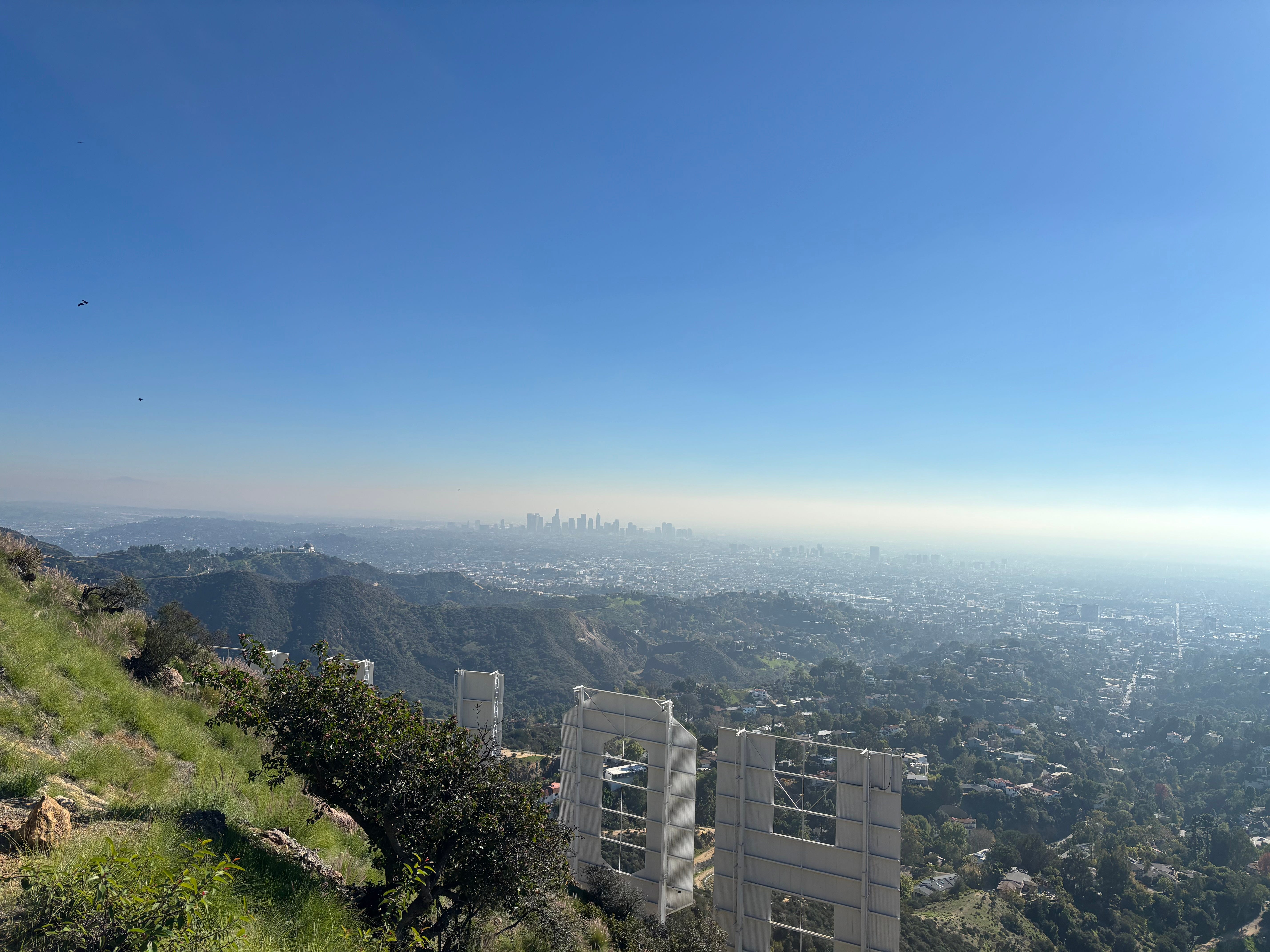
I love the Hollywood Climate Summit, an annual gathering at the Academy of Motion Picture Arts and Sciences that brings together artists, activists, scientists, funders and other climate-conscious folk. It’s a unique event where professional environmentalists can schmooze with studio executives, screenwriters can share ideas for weaving global warming into their stories and comedians can stage a fake trial for Big Oil.
Recently, though, the summit’s co-founders started to feel like they were outgrowing the name — and the mission it represented.
They’d been hosting the conference since 2020, but they were increasingly organizing other events for an entertainment industry audience — at the Sundance Film Festival, for instance, and at Climate Week NYC. They found themselves branching out beyond Hollywood, too, developing programs and partnerships to support climate storytelling in video games, sports, music and podcasts.
“The storytelling spectrum we’re working with is much broader than Hollywood,” said summit co-founder Heather Fipps.
Last month, they rebranded. Fipps and fellow co-founder Allison Begalman launched Context Collaborative, which will serve as an umbrella organization.
“When it comes to climate and environment and the crises that we’re facing, the No. 1 thing is people’s attention,” Fipps said. “Entertainment, sports, games, films and TV and social media — that is where people are putting their priority and attention. If we can direct attention to climate on all of these channels, that is an opportunity that has to be embraced right now, and urgently.”
“When cultural attention is moved in directions counter to climate, that has a lasting and resounding impact on policy,” she added.
The oil and gas industry knows how to consume cultural attention. The biggest fossil fuel companies spend $7 billion annually on media, advertising and public relations — and according to a new report from Clean Creatives, they’ve largely stopped bothering with ads pretending they’re transitioning to clean energy. They’ve shifted to telling us that fossil fuels are essential and permanent features of life.
My constant refrain: We need better stories in the cultural ether. Kudos to the Context Collaborative team for working on that problem.
We also need better politicians to help turn cultural consciousness into action…
Life after Gavin Newsom
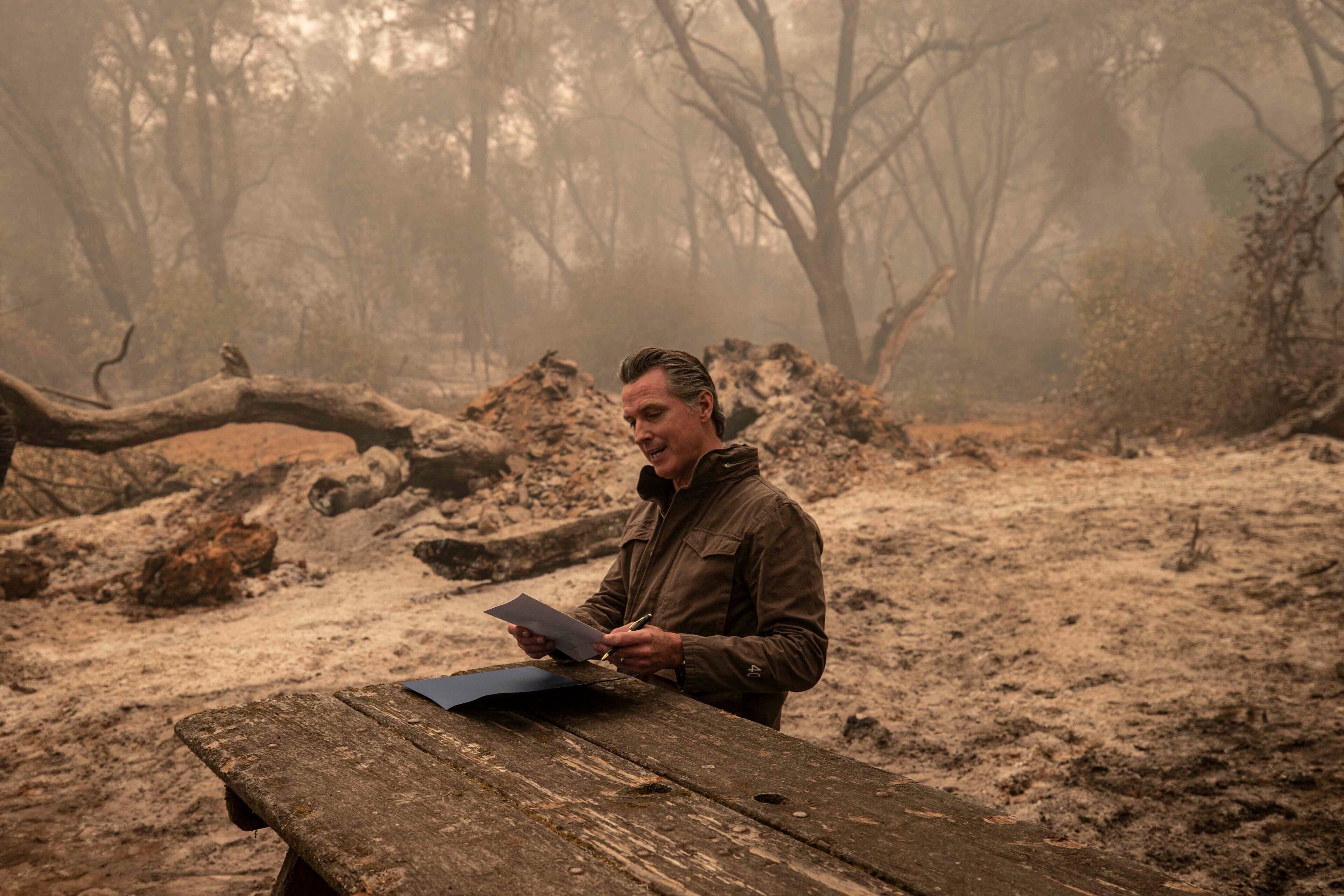
Ballots go out in early May for California’s gubernatorial primary, with polls closing June 2. Pundits and political journalists can’t stop obsessing over the possibility that no Democrat will emerge from a crowded field, resulting in two awful Republicans — Chad Bianco and Steve Hilton — advancing to the November election.
Personally, I’m not worried — at least not yet. Two months is a long time! Or at least it should be; many democracies have far shorter election seasons than the U.S., where politicians spend way too much time campaigning. Meanwhile, Americans have been understandably distracted recently: war in Iran, troops invading U.S. cities, etc.
If none of the Democrats start pulling ahead in the next month, I’ll worry. But I keep thinking back to 2021, when Governor Gavin Newsom faced a recall vote.
Less than two months before that election, polling showing likely voters evenly split. Some Democrats panicked; Newsom ended up keeping his job overwhelmingly.
So if you’re a Californian evaluating the gubernatorial race, my advice is this: Figure out which candidate you like and worry about the polls later, when your ballot arrives. And if you care about climate, you might want to know that California Environmental Voters endorsed two candidates on Wednesday: Katie Porter and Tom Steyer.
Here’s what the group’s CEO, Mary Creasman, had to say:
“As a working mom, Porter has built her career on holding powerful interests accountable to make people’s lives better. In Congress, she took on Big Oil fearlessly and fought to protect our natural spaces. Steyer has a powerful track record fighting corporate polluters and advancing climate justice. He’s made it clear he can and will deliver on his campaign promises to deliver clean, affordable energy options.”
In January, I moderated a climate forum with four leading candidates: Porter, Steyer, Xavier Becerra and Eric Swalwell. California Environmental Voters hosted the forum; you can watch the full video here. I was interested to see that the group’s endorsement largely mirrored my own analysis, which was that Porter and Steyer were far and away the most qualified candidates to lead on climate.
Steyer has racked up several other impressive environmental endorsements, including preeminent activist Bill McKibben; former Sierra Club executive director Mike Brune; Jared Blumenfeld, former secretary of CalEPA; and John Podesta and Ali Zaidi, two of President Biden’s top climate advisors.
One more time, my analysis. Warning that you need to be a paid subscriber to read.
In other news
Water in the West:
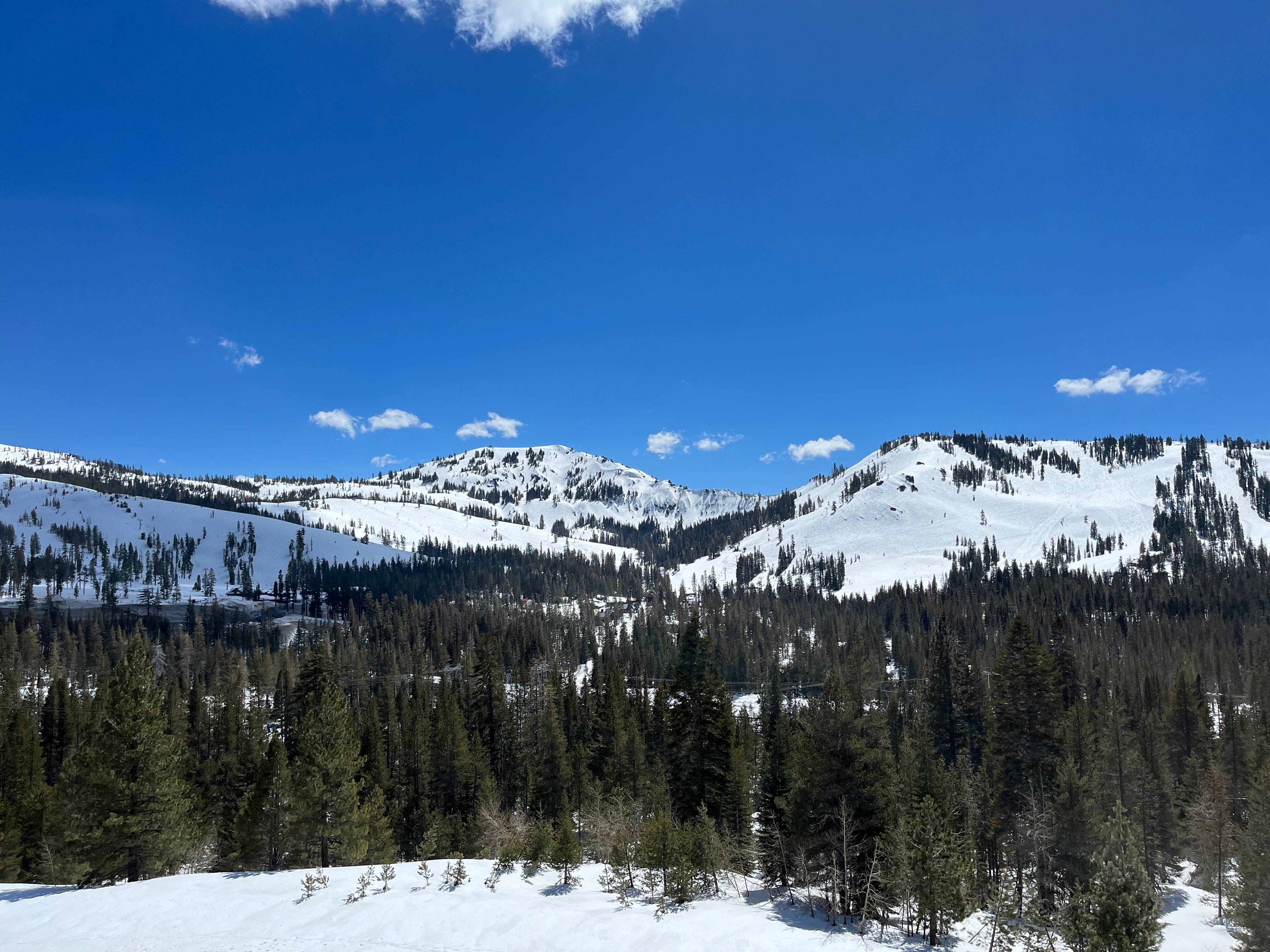
California’s Sierra Nevada snowpack is already low. The heat wave now underway will only make it worse. (Ian James, L.A. Times)
A new report from UCLA concludes that restoring Mono Lake will require Los Angeles to stop taking water — and thanks to the stress of global warming, even that might not be enough. (Kurtis Alexander, San Francisco Chronicle)
Microplastics and other industrial chemicals have reached the farthest reaches of the oceans, a new study finds. (Susanne Rust, L.A. Times)
On the landscape:
California plans to bring 7% of the state’s land and waters under the care of tribes, beginning to right a 176-year-old wrong. (Noah Haggerty, L.A. Times)
“It’s easy to imagine a future in which the entire canyon is healthy.” Restoration efforts are underway in Eaton Canyon. (Jaclyn Cosgrove, L.A. Times)
Resolution Copper now owns Oak Flat, a sacred Indigenous site in Arizona, and has begun drilling for a copper mine. (Debra Utacia Krol, Arizona Republic)
California controversies:
State officials still routinely throw huge sums of money at freeway projects while slashing funds for biking and walking infrastructure, forcing cities to compete for safe streets. (Ariane Lange, Sacramento Bee)
Plastic distributors are suing California, arguing the state is violating their free speech rights by requiring them to stop lying to consumers about what is actually recyclable. (Susanne Rust, L.A. Times)
President Trump used his war on Iran to get new offshore oil production started in California again. We’ll see what the courts say. (Grace Toohey, L.A. Times)
Trump nonsense:
The Trump administration is getting ready to dismantle the National Center for Atmospheric Research and sell it for parts. (Eric Niiler, New York Times)
Interior Secretary Doug Burgum may ask the “God Squad” to strip endangered species protections to advance oil and gas drilling in the Gulf of Mexico. (Catrin Einhorn, New York Times)
Energy Secretary Chris Wright’s second order forcing a Washington coal plant to stay open is just as meaningless as the first one. The plant is generating no power because it’s too expensive to run and isn’t needed. (Jeff St. John, Canary Media)
Lastly: Having failed to block offshore wind development on fake “national security” grounds, the Trump administration may just pay a developer to cancel its projects, the New York Times’ Maxine Joselow reports — spending nearly $1 billion! The developer would agree to invest in fossil gas infrastructure, too. Absolutely ludicrous.
Hoping that by the end of Trump's term many more coal plants will be zombie plants. Technically available cause Trump yells at the market that they are available but no one ever uses them. Fingers crossed that battery deployments soon make the peaker gas plants zombies as well.
I would think with all that oil and gas infrastructure being destroyed that conservation and switching to renewables will come naturally. What do you think, Sammy?