

NBC giveth, and NBC taketh away
Seth Meyers just did an amazing sketch about electric vehicles. If only his colleagues at NBC News would do more climate stories.

Programming note: Today is Day 2 of my membership drive! I’m publishing a new story every day for five days, in hopes of adding 50 new paid subscribers.
I’m extremely grateful to the 6,000 of you (!) who have signed up for this newsletter. I totally understand that not everyone can afford to pay to support my work, but I’m pretty sure more than 10% of you can. If you enjoy what I’m doing and want to make sure I can keep doing it, I’m asking you to consider upgrading to a paid subscription here.
Like most of my reporting and commentary, all five stories this week will be free to read. In case you missed it, yesterday I wrote a breaking news story about a big blow for rooftop solar in California.
OK, here we go.
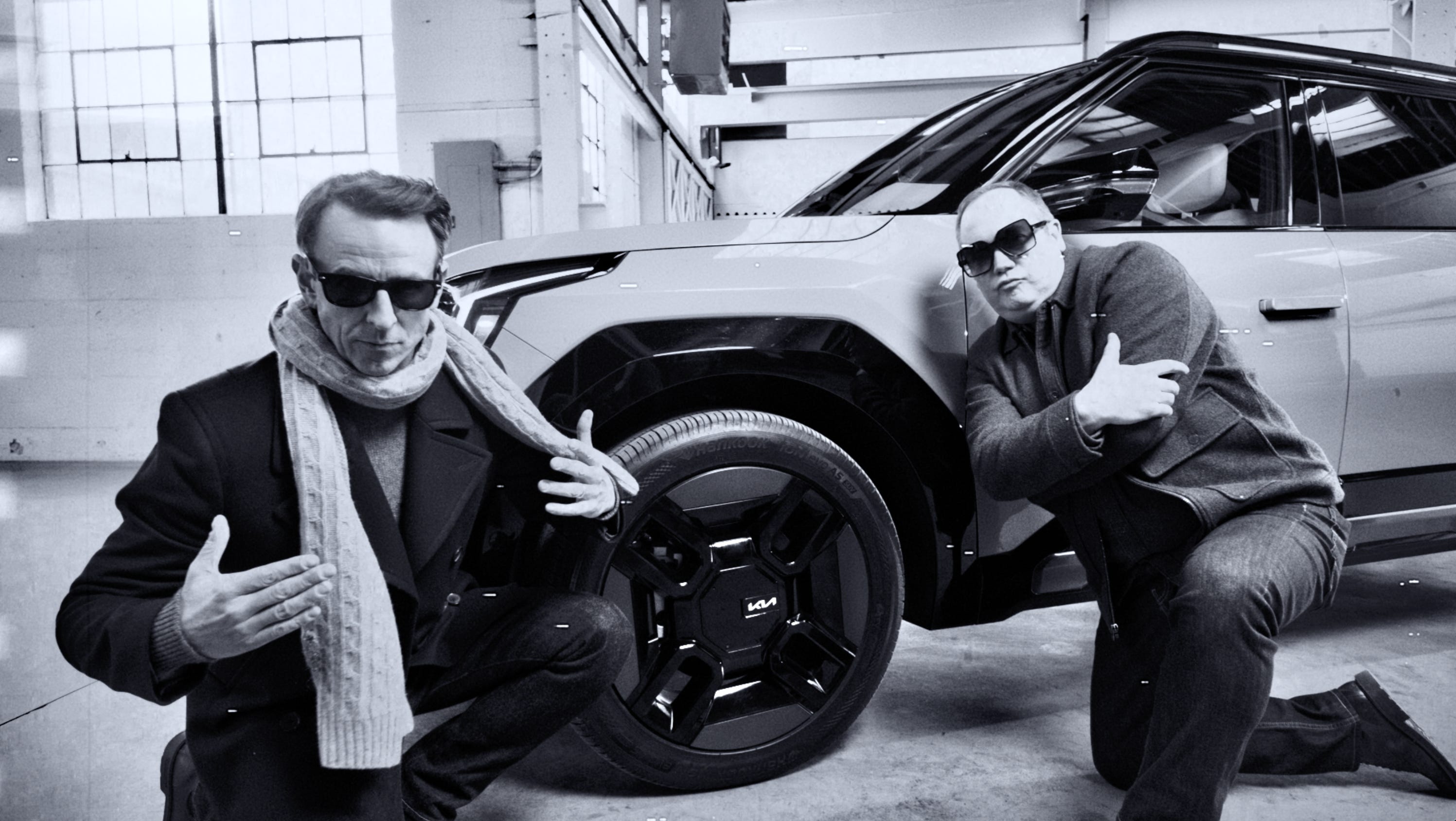
“Late Night with Seth Meyers” marked its 12-year anniversary on NBC last month. Meyers celebrated by roasting President Trump, interviewing Tony Shalhoub about his new cookbook and — drumroll please — promoting electric vehicles.
Yes, promoting EVs! With jokes, of course.
“Electric vehicles are everywhere these days, and more drivers are discovering the benefits of owning an EV,” Meyers told viewers. “I found this out firsthand this past weekend. Check it out.”
The next few minutes were devoted to a prerecorded sketch featuring “Late Night” writer and “30 Rock” actor John Lutz, who lures Meyers to a warehouse to show off his Kia EV9.
“When you texted me to meet you here, you said it was urgent,” Meyers gripes.
“Yeah, I urgently needed you to see my cool new EV,” Lutz quips.
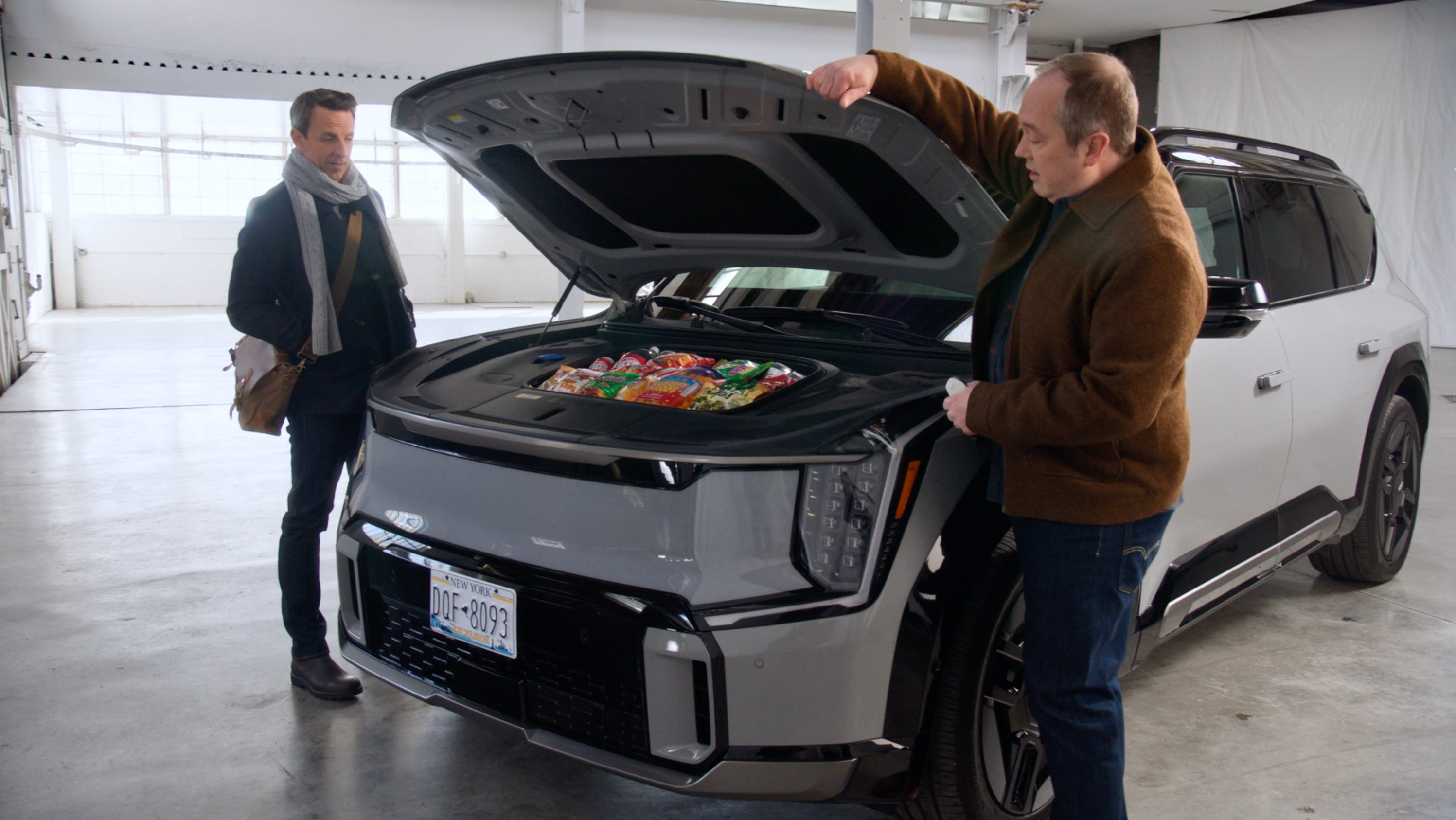
Lutz fawns over the car, practically hugging it as he tells an irritated Meyers about its features: 300-400 miles of range, the ability to recharge overnight, a front trunk he can fill with road trip snacks. Also, way less maintenance than a gasoline car.
“Won’t have to ignore a check engine light anymore,” Lutz brags.
“Oh, you should never ignore those,” Meyers replies in alarm.
By the end of the segment, Meyers can’t help but love the EV. Watch for yourself:
The “Late Night” writers didn’t just wake up one day and decide to promote EVs. The segment grew out of a paid partnership between NBCUniversal and Veloz, a nonprofit EV education and advocacy group based in Sacramento. Veloz is funded by a long list of automakers, electric utilities and government agencies. The “Late Night” sketch is part of its “Electric For All” campaign.
“Parks and Recreation” star Nick Offerman has worked with the group recently on a series of educational promos. But Veloz executive director Josh Boone was especially excited about the chance to reach a large audience through Seth Meyers.
“We know that we have to use credible, trusted voices in the media. We know we have to be culturally relevant,” Boone told me. “It’s really important in our work to not only bring factual information to consumers, but to ensure there’s an element of fun.”
“We know from our data that when people are informed, they choose electric,” Boone added. “You’ve got to inspire them to pay attention, and then you have an opportunity to educate them.”
Now if only Meyers’ colleagues at NBC News would do more to educate viewers about the climate crisis.
Last week, the watchdog group Media Matters for America released its annual report tracking climate coverage at the major U.S. broadcast networks: ABC, CBS and NBC. Total coverage declined for the third straight year, even as extreme weather disasters kept getting worse and the Trump administration dismantled climate rules.
Here’s a chart:
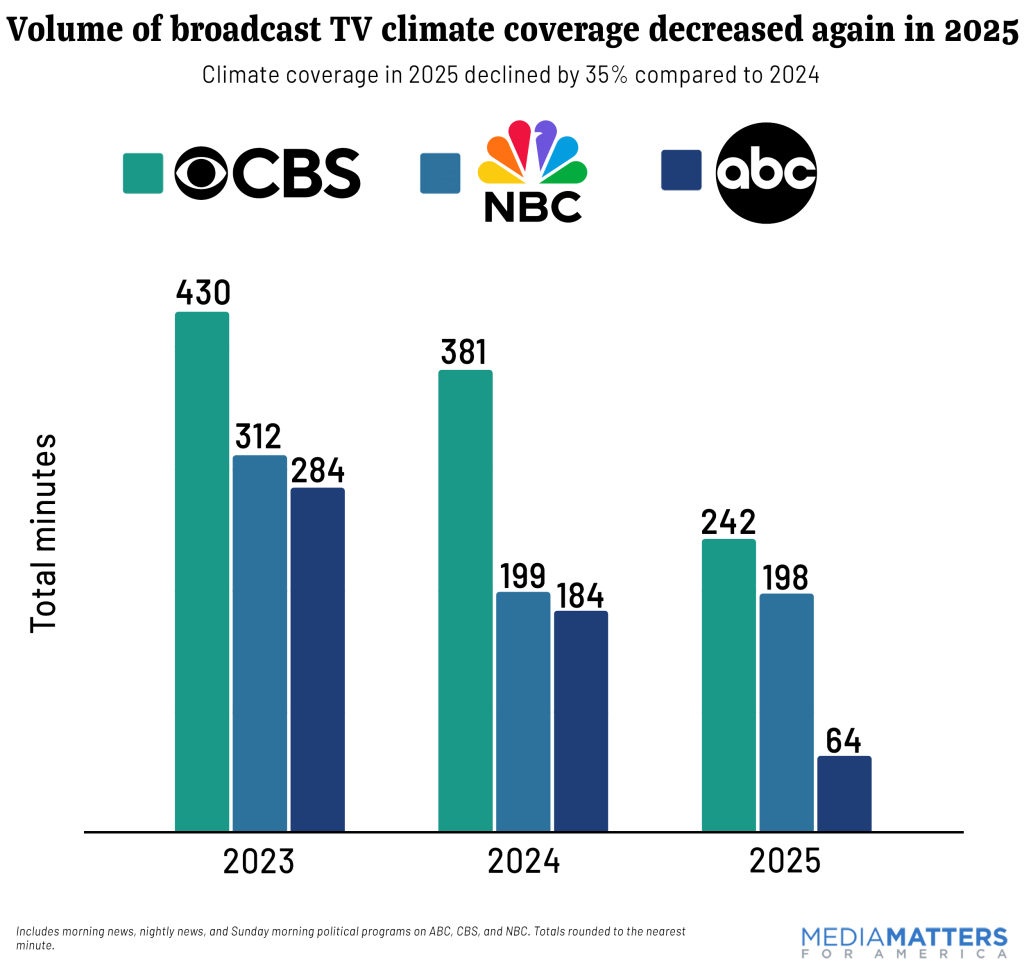
Look at the 2025 columns and add up the minutes: The TV broadcast networks aired a grand total of eight and a half hours of climate coverage in all of 2025.
That is very bad!
Sure, broadcast networks have been shedding viewers since the dawn of the internet. But they’re “still the place where a lot of older, motivated voters get their news,” said Evlondo Cooper, Media Matters’ senior climate and energy researcher. And we know Trump is watching — not just news shows, but late-night hosts like Meyers.
“They’re the place where the institutional agenda is getting set,” Cooper said.
Which is why it’s so disappointing to see the networks pull back. CBS, which led the pack for the fifth straight year, finished 2025 by gutting its climate team.
NBC, meanwhile, recently saw its top climate reporter resign. In an interview with HEATED last week, Chase Cain explained that after years of fighting to persuade his bosses to prioritize climate — usually with little success — he was simply exhausted. He just started a YouTube channel.
When I asked Cooper what would be a good number of hours of climate coverage for the networks to target — because eight and a half hours is pitiful — he said he’s less interested in a number and more interested in seeing journalists stop treating climate as somehow separate from all the other things they cover. It’s a national security story, and an economic story, and a housing story. Especially as climate journalists lose their jobs, it’s vital for their colleagues to strap on their climate-colored goggles.
“If you’re doing 100 stories about Trump’s comments on Greenland, I think it’s worth talking about why these shipping lanes are opening up in the first place,” Cooper said. “It’s global warming, which Trump has said is fake.”
I don’t think most journalists or newsroom bosses — or even billionaire newsroom owners — are sweeping climate under the rug because they don’t believe the science, or because they’re afraid of Trump. As I’ve written previously, the biggest problem for climate journalism in America is that most people don’t care nearly enough about the climate crisis. That includes billionaires, journalists and news consumers alike.
Which is why I found the Seth Meyers segment so encouraging.
Again, network television viewership has declined since its heyday. But “Late Night” still averages nearly 1 million viewers in its post-midnight time slot, with many more people watching clips online. And to Meyers’ immense credit, he agreed to plug EVs despite the fact that Trump — no fan of clean energy — has repeatedly attacked him and his fellow late-night hosts, calling for them to be canceled and generally making life hell for their corporate employers.
Credit also to NBCUniversal. In a written statement, executive Sari Feinberg — senior vice president of development, advertising and partnerships — said the company was “thrilled to collaborate with Veloz’s Electric For All initiative to bring electric vehicle education into the cultural conversation in an entertaining and authentic way.”
Veloz worked with the “Late Night” writers, giving them facts about electric cars to inform the sketch. But the “Late Night” team had creative control.
The segment ended with Meyers directing viewers to electricforall.org, where you can find info about EV models, price points and financial incentives — which do still exist in many places, even after congressional Republicans repealed federal tax credits.
I asked Boone if Trump’s politicization of late-night TV had given him any pause over teaming up with Meyers. Could the comedian still be considered a trusted messenger? If he plugged EVs, would it be seen through a partisan lens?
Boone acknowledged the risks but said the opportunity was “too big to pass up.”
“It’s great to see people talking about EVs,” he said. “There’s always a risk, especially in a world where some people view EVs as political. But that’s part of our job.”
Amen to that. A lot of people debate the best way to talk about the climate crisis, and climate solutions. But the most important thing is for people to talk about this stuff at all. Silence will get us nowhere.
Pro-EV commercials are good. I want to see more of them. However, anti-ICE ads could be just as effective in dissuading climate warriors or anti-Trump/MAGA people from buying internal combustion engines. Some 20,000 Dems buy new gas cars every day in the US. Seems that's a problem we should be addressing.
Having coffee (actually, matcha, but that feels obscure) with a friend yesterday. She: I paid over five dollars a gallon for gas in the Bay Area driving down here. Me: I plugged in my car at home.