

Matthew Yglesias did it again
No, Democrats shouldn't embrace oil and gas.

Climate-Colored Goggles isn’t quite done for 2025. But if you’ve enjoyed the first two months of this newsletter and plan to keep reading next year, I hope you’ll upgrade to a paid subscription, if you can. I am working hard. Please help me keep doing it.
To everyone already supporting my efforts, thank you.
As a tough year draws to a close, I want to give myself some credit: I haven’t lost the capacity for outrage.
When the Trump administration said last week that it would shut down Colorado’s National Center for Atmospheric Research — a leading science institute whose work is vital to weather forecasting and disaster response — I was unsurprised but no less furious. Russell Vought, an advisor to President Trump, described the center as “one of the largest sources of climate alarmism in the country.” Are these people really so determined to protect the fossil fueled status quo that they’re willing to send America back to the scientific dark ages, endangering countless lives?
The same day, federal officials issued an emergency order requiring a Washington state coal plant to keep running past its December 31 closure date. It wasn’t the first time the Trump administration had ordered an expensive coal plant to keep running, even as federal officials block lower-cost solar and wind projects. I’m starting to think there is, in fact, a “national energy emergency” — just not the one Trump invented.
Also last week, the U.S. Department of Energy’s internal watchdog office agreed to investigate the agency’s cancelation of $8 billion in clean energy grants to blue states after California lawmakers raised concerns. Which sounds hopeful, until you realize that the very same day, the Trump administration admitted in a court filing that the grant cancelations were nakedly partisan — and argued that such partisan decisions are constitutional. I wonder what the internal watchdog will find!
Somehow, none of that made me want to tear my hair out quite so much as this New York Times op-ed by political pundit and fellow Substacker Matthew Yglesias, urging Democrats to embrace oil and gas production out of electoral necessity.
“To check President Trump’s growing grip on the judiciary in the midterms or to advance a legislative agenda in 2029, Democrats need to answer a very difficult question: How can the party keep winning in states like North Carolina, become competitive again in Ohio and expand the electoral map to include Texas or even Alaska and Kansas?” he asks.
“A realistic look at the Senate map makes it clear that Democrats’ hopes hinge on states that have important fossil fuel industries,” he concludes.
On the surface, that sounds reasonable. I’m guessing it resonated with Yglesias’ massive following, which includes prominent Democratic Party decision-makers.
The problem is, it doesn’t track with climate science or energy economics.
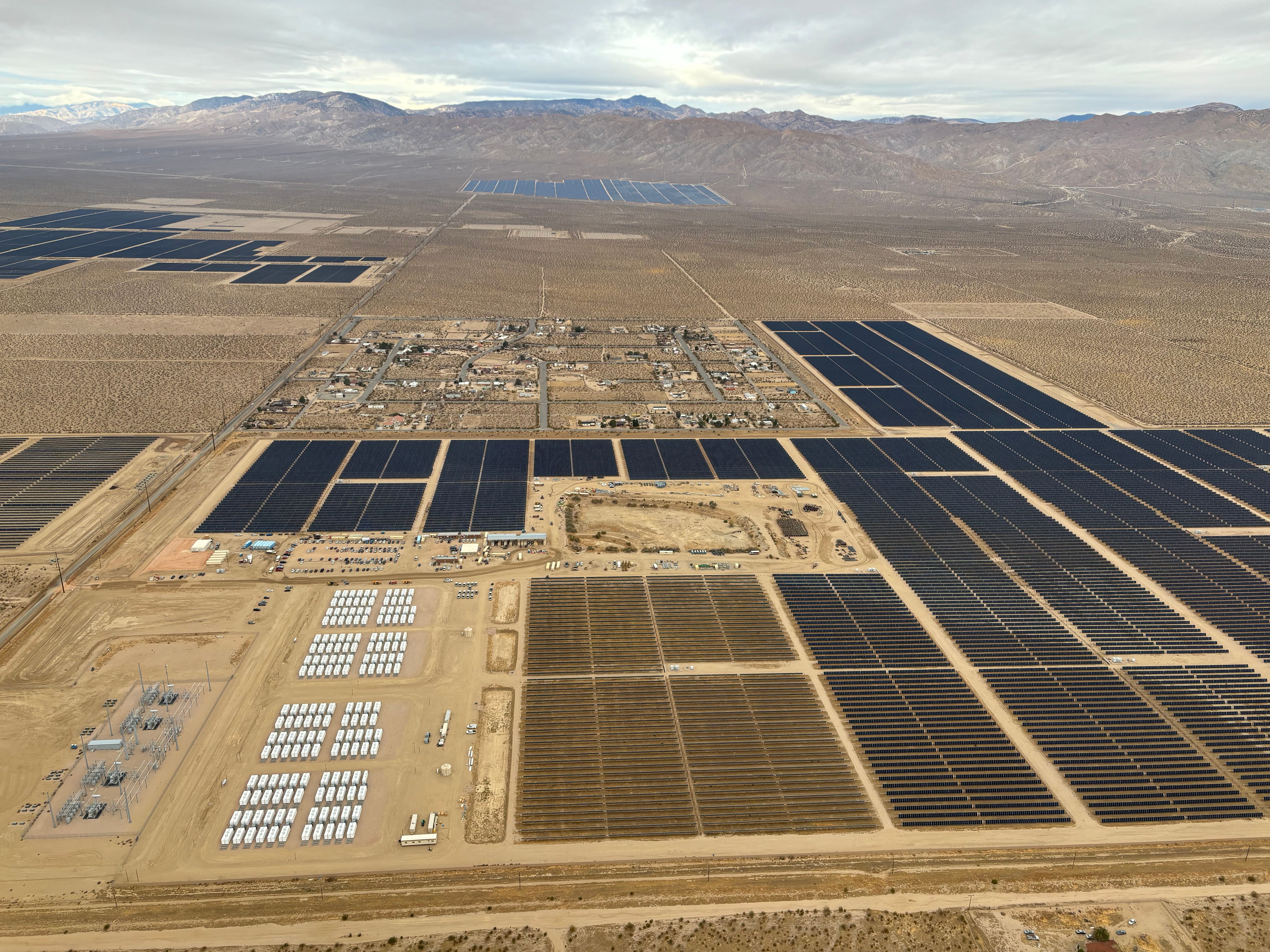
Energy-wise, the piece sounds like it was written a decade ago, when solar power was far more expensive and batteries didn’t exist at scale. To hear Yglesias tell it, keeping the lights on affordably is possible only with gas. He should really spend more time in California, or even Texas, where cheap solar-plus-battery plants are limiting the need for costlier gas plants. He also ignores research finding that American gas exports are worse for the climate than coal, which would derail his outdated argument for gas as a climate solution.
Even worse, Yglesias subtly implies there’s no real-world difference between reducing emissions slowly and reducing them quickly. He slams climate advocates for opposing fossil fuel projects that would keep the world from reaching net zero climate pollution by 2050, saying the perfect shouldn’t be the enemy of the good — as if net zero were a purity test invented by activists, rather than a target set by leading scientists to ensure we maintain a reasonably safe planet.
None of this is new for Yglesias, who has long downplayed the urgency of the climate crisis. He once insisted that harms from climate change “accrue mostly in the future and mostly to foreigners” — a technically true statement that nonetheless feels like it was designed in a lab to distract from the reality that global warming is inflicting ever-increasing harms, right now, in the U.S., from worsening fires to deadlier heat waves. He also mused that electric cars “may be bad for America,” because “we’re just getting our butts kicked [by China] in a way that I think is bad and way more important than climate change.”
So maybe I shouldn’t care about his latest op-ed. Certainly there’s nothing he can say or do that’s anywhere near as bad for humanity as Trump’s daily desecrations.
But much as I like the idea of all anti-Trumpers setting aside their differences in the name of stopping authoritarianism, I called this newsletter Climate-Colored Goggles for a reason. We need to save democracy and we need to preserve a habitable climate. Which is why I still bother feeling outrage when influential center-left pundits do the same thing they’ve been doing my entire life, which is throwing climate under the bus in the name of political expediency.
Fortunately, I think aggressive climate action and electoral success for the Democrats are more compatible than Yglesias contends.
Here again, his worldview seems to have gotten locked in place sometime during the Obama administration. He lauds President Obama’s “all of the above” energy strategy. He chastises President Biden for pledging to “transition from the oil industry”’ during the 2020 campaign. He criticizes the Democratic Party for its “hostility to oil and gas” over the last dozen years.
All of which makes me wonder how closely he’s been paying attention.
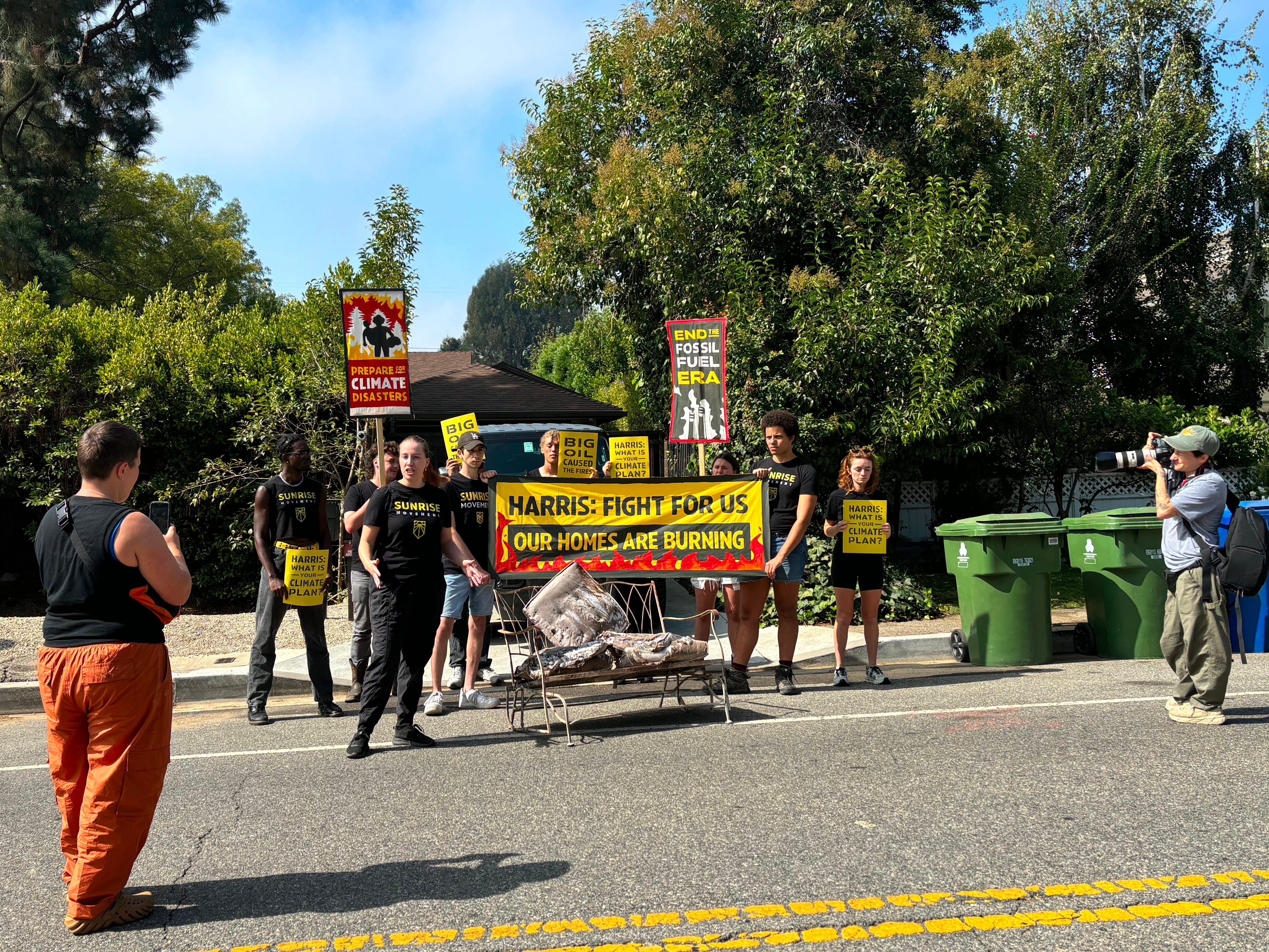
Democrats lost the 2016 presidential election despite Obama lifting America’s crude oil export ban, which paved the way for soaring domestic production. Biden won four years later after pitching a climate plan so aggressive — 100% clean power by 2035 and a net-zero economy by 2050! — that it persuaded the Sunrise Movement to campaign for him. Meanwhile, Vice President Kamala Harris had so little to say about climate in 2024 that Sunrise Movement activists got arrested protesting outside her house.
I’m not saying those Democrats won or lost because of their climate stances. But I do think the politics are more complicated than Yglesias makes them out to be.
Did Democrats benefit from fossil-friendly rhetoric 10 years ago? Maybe. But these days it would just look performative. Everyone knows Republicans are the oil and gas party, and hardly anyone wants to to be convinced otherwise; whatever Democrats say or do, Republicans will bash them as Green New Scammers. I suspect Democrats are better off leaning into their strengths — Solar and wind are cheap! Big Oil bankrolls Trump! — than they are acting like Republicans.
If there’s one place I agree with Yglesias, it’s that some climate progress is better than none. Biden’s Inflation Reduction Act wasn’t a perfect bill — and now, sadly, much of it has been undone by Trump — but it was a huge step. I’d much rather live in a world with less death and destruction than more.
That said, the idea that Democrats should respond to Trump’s science denial, energy nonsense and downright lawlessness by time-traveling to 2015 and embracing oil and gas makes no sense. It’s time to move forward, not backward.
Here’s a better idea
The New Republic’s Kate Aronoff had an interesting deep dive on how Republicans killed the Inflation Reduction Act so easily, given that the clean energy investments largely flowed to conservative congressional districts. I’d say her main takeaway was that Democrats made a strategic mistake by focusing on manufacturing investments that take years to pay off, and that most people don’t benefit from directly.
This paragraph, quoting former Biden advisor John Podesta, caught my attention:
Nearly everyone I spoke to agreed that climate advocates, and Democrats more generally, should focus more on the affordability concerns that may have cost their party the 2024 election. “Things that can provide direct benefits to households and be implemented quickly should be at the top of the list,” John Podesta told me when I asked him what climate policy in a post-IRA world should look like. “The most important thing is to make sure that households are feeling this not just as a theoretical issue in five years.”
Hmm: climate investments that provide direct benefits to households and can be implemented quickly. With affordability top of mind. Can anyone say rooftop solar?
You’d think California, purportedly a global climate leader, would be an ideal testing ground. Alas, Governor Gavin Newsom’s appointees have spent years cutting rooftop solar incentives for homeowners, renters, schools and farms.
They’ve defended those decisions by claiming that the “net metering” solar incentive program has caused higher utility bills for households without solar — and they might be right. But rather than develop a new way to support rooftop solar, without affecting utility bills, Newsom has been content to watch solar installations decline — no doubt because utility companies prefer it that way, as far as critics are concerned.
Maybe Tom Steyer will shake things up?
The billionaire climate activist, who entered the governor’s race to replace a termed-out Newsom last month, hasn’t had much to say about climate so far. But he seems to be staking his campaign on an anti-utility blitz, accusing electric monopolies such as Southern California Edison of gouging customers with help from the Public Utilities Commission — the agency that keeps cutting rooftop solar incentives.
I’m curious what Steyer might have to say about rooftop solar.
In other news
Water in the West:
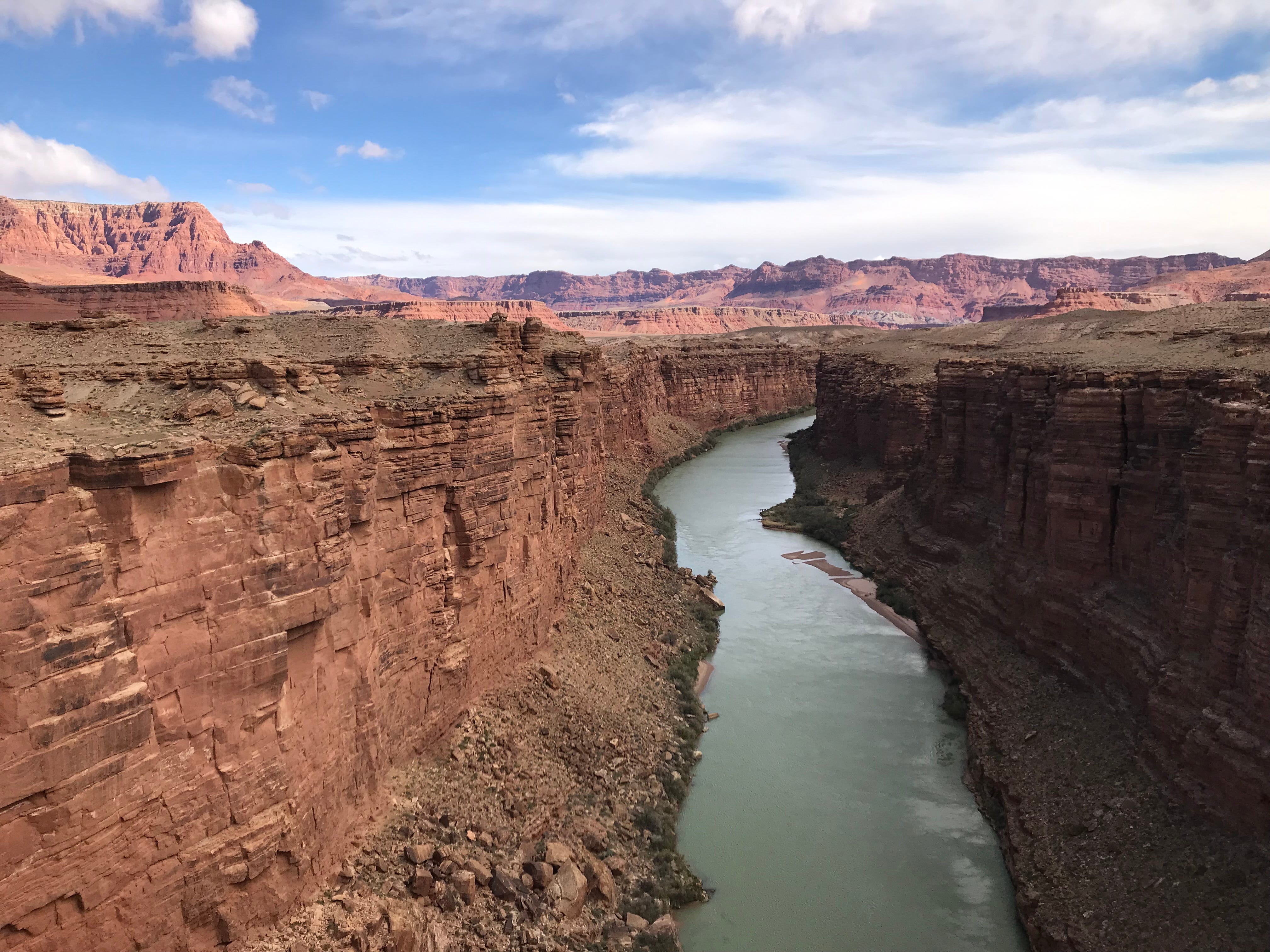
Colorado River water negotiators met last week in Las Vegas, and zero progress was made. Time in running low. (Shannon Mullane, Colorado Sun)
Researchers say the federal government should charge farmers more for water, to help stave off disaster on the Colorado River. (Ian James, L.A. Times)
California’s Westlands Water District approved a plan to convert huge amounts of Central Valley farmland to solar power. (Daniel Gligich, San Joaquin Valley Sun)
Los Angeles fires:
L.A.’s Cedars-Sinai Medical Center saw 46% more visits for heart attacks than usual during the 90 days after the Palisades and Eaton fires. Unusual blood test results increased 118%. (Corinne Purtill, L.A. Times)
L.A.’s water system wasn’t built to handle an urban inferno like the Palisades fire, especially not in the global warming era. Here’s what it might take to upgrade the hydrants and reservoirs for modern firefights. (Ian James, L.A. Times)
Before the Eaton fire, Southern California Edison was charging customers for transmission line upgrades it hadn’t actually performed. Now it’s trying to catch up. (Melody Petersen, L.A. Times)
California energy:
California officials voted to reduce utility profit margins, but not nearly as much as consumer advocates had hoped. (Melody Petersen, L.A. Times)
A new law allows state officials to fast-track renewable energy projects. The first time they got a chance to use it, they rejected a wind farm. (Kurtis Alexander, San Francisco Chronicle)
The state will spend $115 million to drive down the cost of clean, ultra-efficient plug-in heat pumps and induction stoves. (Alison F. Takemura, Canary Media)
Electric vehicles:
For its 50th lawsuit against the Trump administration, California is suing to free up federal funds for EV charging. (Hayley Smith, L.A. Times)
Ford is scrapping the all-electric F-150 lightning pickup truck and rolling back its EV plans more broadly. (Jack Ewing, New York Times)
The European Union is loosening its EV rules. Only 90% of new cars will need to be zero-emission by 2035, rather than 100%. (Theo Leggett, BBC)
Finally, pour one out for “Make Polluters Pay” in California. Politico reports that the landmark bill — which would hold oil and gas companies financially liable for climate damages — is dead for the third straight year.
Talking about direct benefit to households, South Coast Air Quality Management District’s rebate program—for replacing gas or propane HVAC or water heaters with heat pumps—still has money left. https://www.aqmd.gov/go-zero
And Rewiring America provides lots of info to people across the country who want to electrify their homes and utilize the Inflation Reduction Act tax incentives. https://homes.rewiringamerica.org/personal-electrification-planner
Electrification is not cheap. It’d be interesting to see a report from SCAQMD on the demographics of the households that made claims, lessons learned, etc.
Sammy, why don't you write an op-ed for the NYT refuting Yglesias? Or ghost-write it for a political celebrity who has a chance of being published (if that's a criterion). :-) K