


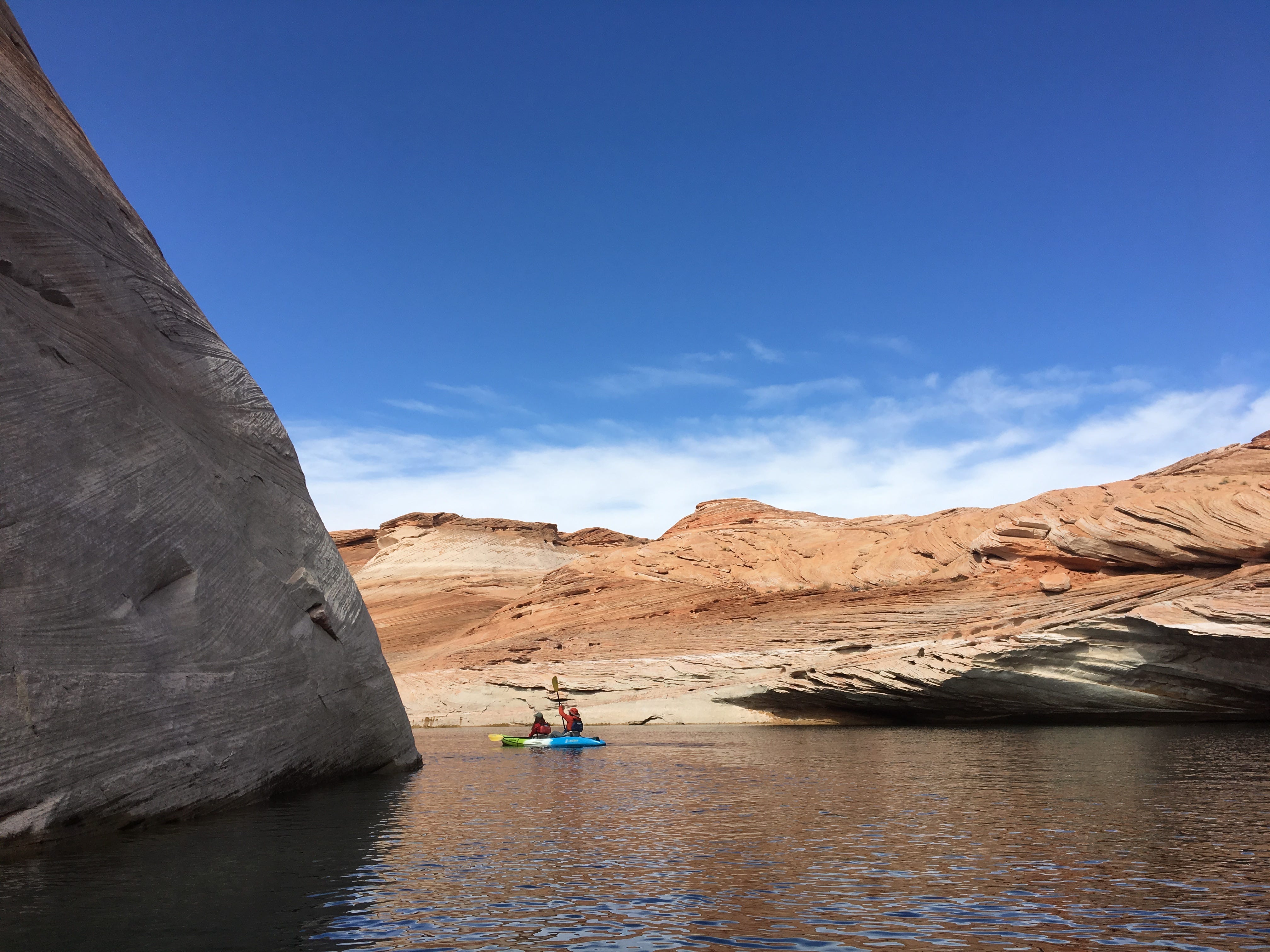
It’s been two years since Utah-based journalist Zak Podmore wrote, “Life After Dead Pool: Lake Powell’s Last Days and the Rebirth of the Colorado River.” But I just read it for the first time, and it’s more relevant than ever.
Later this month, the Trump administration is expected to unveil its plan for cutting water use in the Colorado River Basin — an intervention that’s necessary because the states haven’t been able to reach an agreement on limiting consumption. The cuts will probably hit Arizona farms and cities especially hard, although Southern Californians should brace themselves too. After a century of rampant development — and now a 26-year, fossil fueled megadrought — the American West is running low on water.
Podmore’s book offers a perspective-shifting look at a reservoir central to the crisis.
Currently just one-quarter full, Lake Powell is frighteningly close to “dead pool,” the point at which water can no longer pass through Glen Canyon Dam and downstream to Lake Mead — a key storage vessel for Los Angeles, Las Vegas and Phoenix. Finding a way to boost water levels at Lake Powell is absolutely crucial.
Or is it? As water levels have fallen, incredible canyon ecosystems that were drowned by the dam in the 1960s have sprung back to life with remarkable speed — a story that Podmore documents in his book. He also traces Powell’s complex history and politics, making a thoughtful, nuanced case that its future needs to look different than its past — and that today’s environmental crusaders could stand to learn from the people who built Glen Canyon Dam, not just the activists who tried to stop them.
If that sounds interesting, I hope you’ll join me and Podmore on Tuesday, 7/28 at 4 p.m. PT/5 p.m. MT for a conversation about his book. You can register for the Zoom here. I’ll ask Zak some questions, and then we’ll have an audience Q&A.
If you want to read the book before then, you can purchase it here, or check your local library for a copy.
Although the live Zoom is open to everyone, the video recording will only be available afterward to Climate-Colored Goggles paid subscribers. If you want to watch but can’t make it on July 28, I hope you’ll consider a paid subscription.
Speaking of events for paid subscribers…
Join me at Intuit Dome on July 14
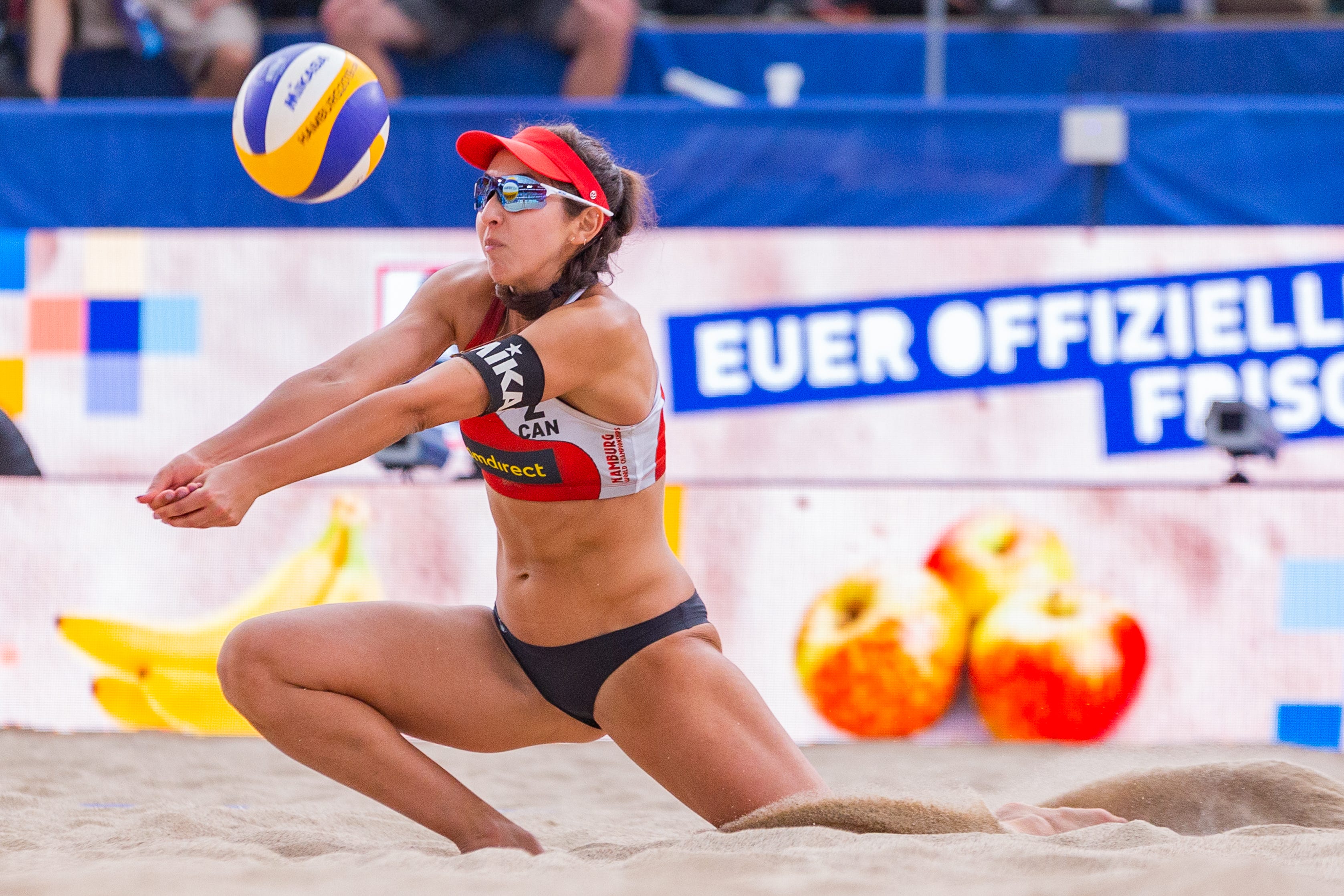

Exactly two years before the 2028 Olympics begin in Los Angeles, I’ll sit down with two Olympic athletes at Inglewood’s Intuit Dome: Melissa Humana-Paredes, a silver medal-winning Canadian beach volleyball player, and Bea Kim, a U.S. snowboarder.
We’ll be joined by climate scientist Kaitlyn Trudeau for a discussion about the many ways global warming is affecting sports, and how the sports and climate communities can work together to promote clean air and climate progress in L.A. and beyond.
Our panel will be part of the next Road to 2028 Summit hosted by the Los Angeles Cleantech Incubator. (I led a similar conversation at the previous summit last year.) The event will bring together policymakers, entrepreneurs, investors, entertainment industry leaders and athletes — including NBA star Russell Westbrook.
Paid subscribers to this newsletter can buy tickets at a 50% discount. They’re still not cheap, but I guarantee you the two-day summit will be fascinating; just check out the speaker list. Discount code coming up after the paywall.
But first…
Send me your dream headlines for 2036!
A few weeks ago, I asked everyone to brainstorm climate-related headlines you’d like to see in the news a decade from now. I’ve received more than 100 entries!
It’s not too late to join the fun — I’ll keep accepting headlines through the end of this week. Then I’ll pick maybe a dozen of the best entries — which will be hard; there are so many good ones! — and make a poll so folks can select their favorites. The top vote-getters will win one-year paid subscriptions to this newsletter, free of charge.
Keep your headlines short and snappy, like you’d find in a newspaper, or on Substack. Feel free to take the assignment seriously — but also don’t be afraid to get creative, or even silly. Most importantly, enjoy yourself!
Climate news roundup after the paywall. But not before...