

Breaking: Rooftop solar loses in court, again
It's time for a new way forward.

Programming note: As I mentioned yesterday, I’m doing a Climate-Colored Goggles member drive! I’m publishing a new story every day for five days, starting today, in hopes of signing up 50 new paid subscribers. I did not expect to start with breaking news!
I’m extremely grateful to the 6,000 of you (!) who have signed up for this newsletter. I totally understand that not everyone can afford to pay to support my work, but I’m pretty sure more than 10% of you can. If you enjoy what I’m doing and want to make sure I can keep doing it, I’m asking you to consider upgrading to a paid subscription here.
Like most of my reporting and commentary, all five stories this week will be free to read.
OK, here we go.
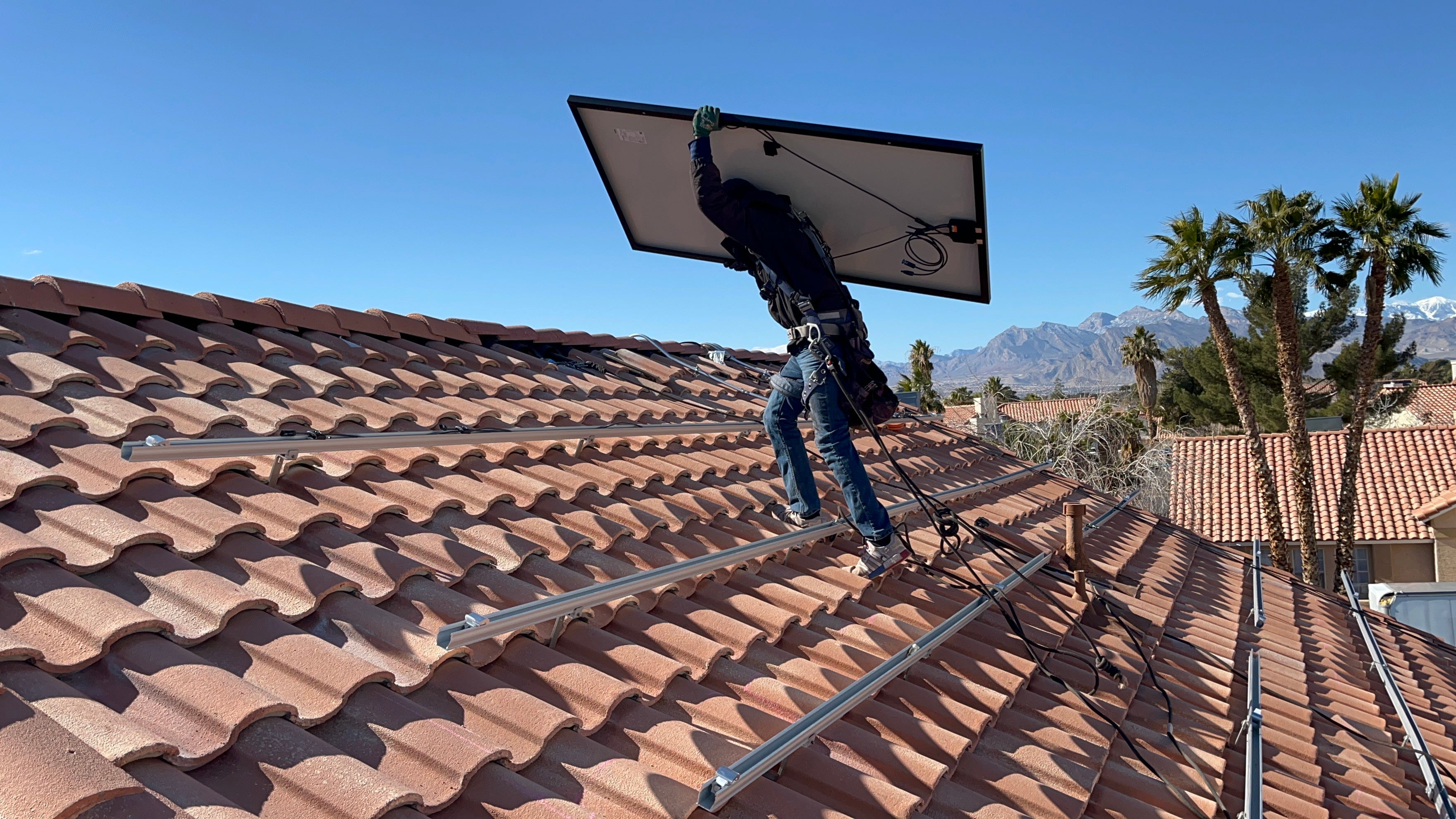
For a brief shining moment, it looked like the Golden State might change course and embrace rooftop solar once again.
Several years after the Public Utilities Commission reduced rooftop solar incentives, the state Supreme Court ordered a lower court last summer to reevaluate the agency’s decision — something the lower court hadn’t wanted to do. But now it had no choice.
Well, the lower court reevaluated. And on Monday it released a decision: The agency did nothing wrong. Governor Gavin Newsom’s appointees were simply following the law when they slashed solar incentives.
Meaning nothing will change. Higher solar incentives aren’t coming back.
“We may have just set the clocks forward an hour but this decision sets California back a decade when it comes to building a clean energy future,” said Bernadette Del Chiaro, senior vice president of the Environmental Working Group, one of the groups that sued the Public Utilities Commission.
“It isn’t just Washington D.C. setting us back on energy affordability and reliability. California is providing more than its fair share of forced errors,” Del Chiaro said in a written statement.
I’ve been writing about California’s rooftop solar battles since 2014 — so long that I am phenomenally sick of them, as I explained in an L.A. Times column last year.
The short version is, an incentive program called net metering helped make the state a rooftop solar leader, with more than 2.2 million small-scale systems. (That is a lot of solar!) The incentive program required SoCal Edison, Pacific Gas & Electric and San Diego Gas & Electric to pay homes for their extra solar power. The utility companies claimed these payments resulted in higher electric rates for everyone without solar by depriving the utilities of revenue. Some independent experts calculated the solar “cost shift” at billions of dollars a year.
Leading consumer watchdog groups agreed that net metering was causing rates to go up, as did a few environmental groups. But many more environmentalists believed the “cost shift” was a fantasy cooked up by the monopoly utilities to protect their profits. Critics grew furious as Newsom’s appointees slashed net metering, and as politicians did nothing to stop the rooftop solar industry’s downward slide.
As for me? Well, like I said, I got sick of the whole debate. I think I managed to annoy absolutely everybody by taking the position that the cost shift was a real problem, and also that Newsom was doing a gigantic disservice to California — and to his supposed climate leadership — by failing to support rooftop solar in some other way.
Almost everyone agrees we need lots more rooftop solar to confront the climate crisis. Alas, California has spent years backsliding.
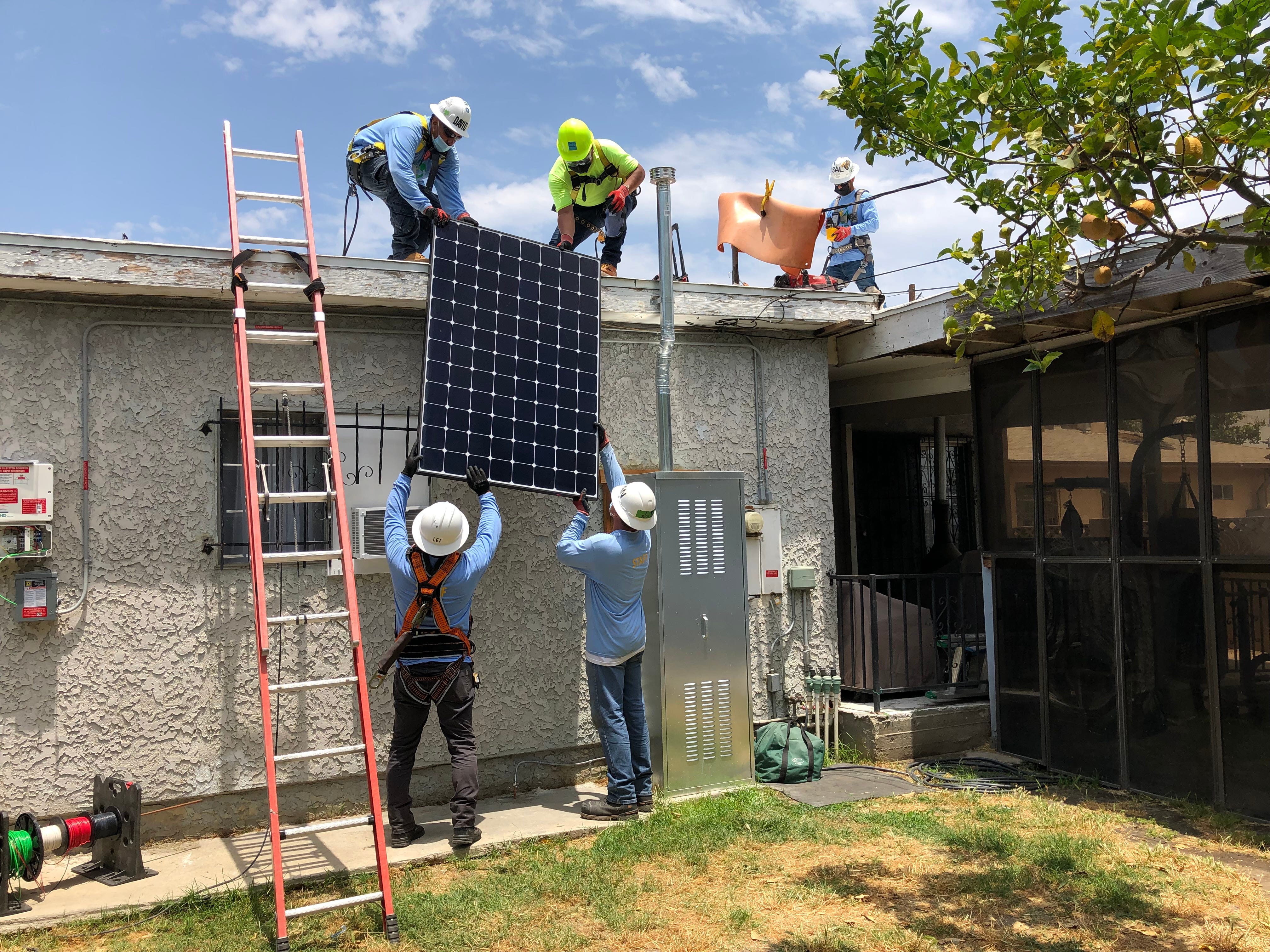
And now here we are in March 2026 — three years after Newsom’s appointees to the Public Utilities Commission took a wrecking ball to net metering, and a whopping 13 years since the state Legislature passed the law that the First District Court of Appeal painstakingly scrutinized in Monday’s decision.
I won’t bore you with all the details. But basically, when environmental groups sued over the vote to demolish net metering, the appeals court originally sidestepped most of their arguments, ruling it had no legal option but to shrug its shoulders and accept the utilities commission’s interpretation of a certain 2013 law.
The California Supreme Court disagreed. Last year, it instructed the appeals court to take a closer look at the arguments for and against net metering, instead of accepting that the Public Utilities Commission knows best.
So the environmental groups tried again, insisting that the commission had wrongly portrayed solar incentives as a societal cost rather than a benefit.
And the court essentially said, “Nope, the commission got it right.”
“It almost seemed like a predetermined narrative based on a predetermined belief,” said Roger Lin, an attorney at the Center for Biological Diversity, one of the litigants. “The decision is very much clouded with a belief in the cost shift narrative.”
Full disclosure: My father-in-law is an energy attorney who assisted one of the other litigants. He got involved after I started writing about the case.
Now that the case is done — although another appeal is always possible — I think it’s important for rooftop solar advocates to think about what they do next.
Newsom will be out of office in less than a year, and it’s possible his successor will be less in thrall to the utility companies — and the utility labor unions — that have made the policy landscape so inhospitable for the rooftop solar industry.
Tom Steyer, one of the top-polling candidates, has made a lot of noise about bashing the utilities and bolstering rooftop solar. Another leading candidate, Katie Porter, said at a climate forum I co-moderated that the utilities commission has “lost the faith and the confidence” of many environmentalists and needs “a reboot and a refresh.”

The rooftop solar industry and its environmental allies have fought for years to restore net metering. But if I were them, I would resist the temptation to keep trying.
Even with Newsom gone, “energy affordability” will still be the name of the game in Sacramento. Fairly or unfairly, even most Democrats have long since decided that net metering is a main cause of high electric rates.
Instead of beating a dead horse, rooftop solar advocates should use Monday’s decision as an opportunity to pivot. There’s a budding “balcony solar” movement, for instance; lawmakers in 28 states have introduced bills to give people permission to install do-it-yourself, plug-in solar panels in their homes. It’s a popular, easy-to-explain idea. A bill from California Senator Scott Wiener, SB 868, offers an easy rallying cry.
That’s just one example; there are lots of ways to scale up rooftop solar power — and large solar farms, and electric cars, and bike lanes, and all the other technologies and lifestyle upgrades we’re going to need to tackle the climate crisis — without endlessly relitigating the battles of the past.
In short: Let’s move forward, not backward. Who’s with me?
With you on this! I've been writing about benefits of rooftop solar for all ratepayers since 2013 and am so sick of the "cost shift" argument, which ignores the massive cost shift from the utilities to all of us. There are SO many studies showing distributed solar benefits everyone. Can't believe California is so backwards this way, and we will for sure get a battery to go with our rooftop solar as soon as we can afford one.
As war affects oil and gas supplies and prices, solar and wind can have a moment as heroes on the home front. Let’s make this an opportunity for renewables, in all possible applications. And a governor who gets it, well, more right than Newsom has.