

News roundup: More oil money for Xavier Becerra
But first: The solar industry has a new leader.

.jpg)
Big Solar is still trying its darnedest to win over the Trump administration.
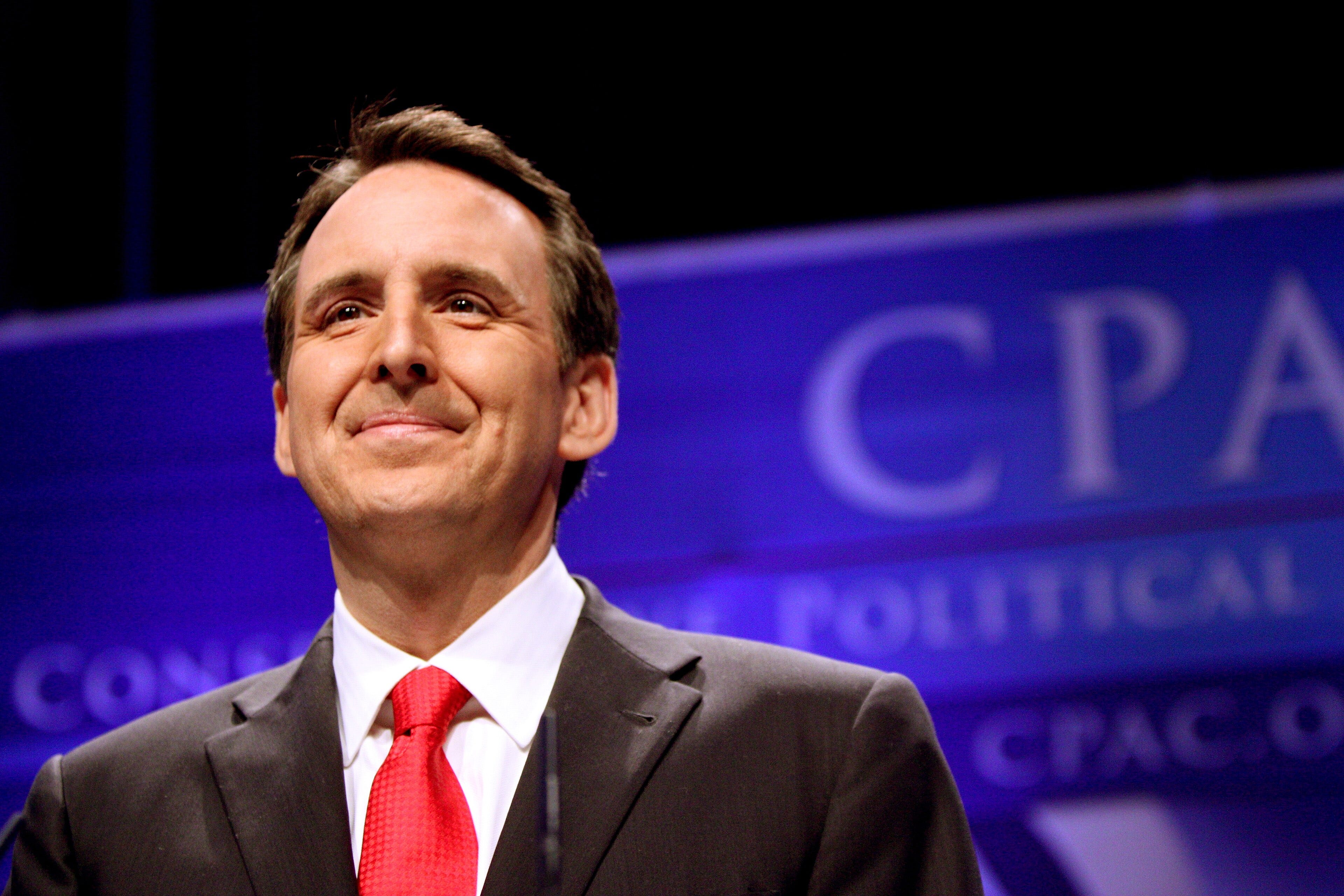
The Solar Energy Industries Association announced this week that it had hired Tim Pawlenty, the Republican former governor of Minnesota, as its president and CEO. In a press release, he called the sun “the safest, most natural, and largest nuclear reactor in the world” — a technically accurate but nonetheless curious description. It’s almost like the solar industry is straining credulity to market itself to folks who love “natural” solutions and nuclear power.
Look, it would be amazing if the Trump administration started approving solar farms on public lands. But every time it seems like President Trump’s appointees might ease up on clean energy, they attack with renewed vigor.
As I’ve written previously, I think the solar industry desperately needs a new strategy. Begging a bunch of oil industry shills to be nice to them isn’t working.
But solar executives seem to feel otherwise, and I’d love to know why. So I’ve asked for an interview with Pawlenty. Here’s hoping I have a Q&A to share with you soon.
Big Oil wants Xavier Becerra
.jpg)
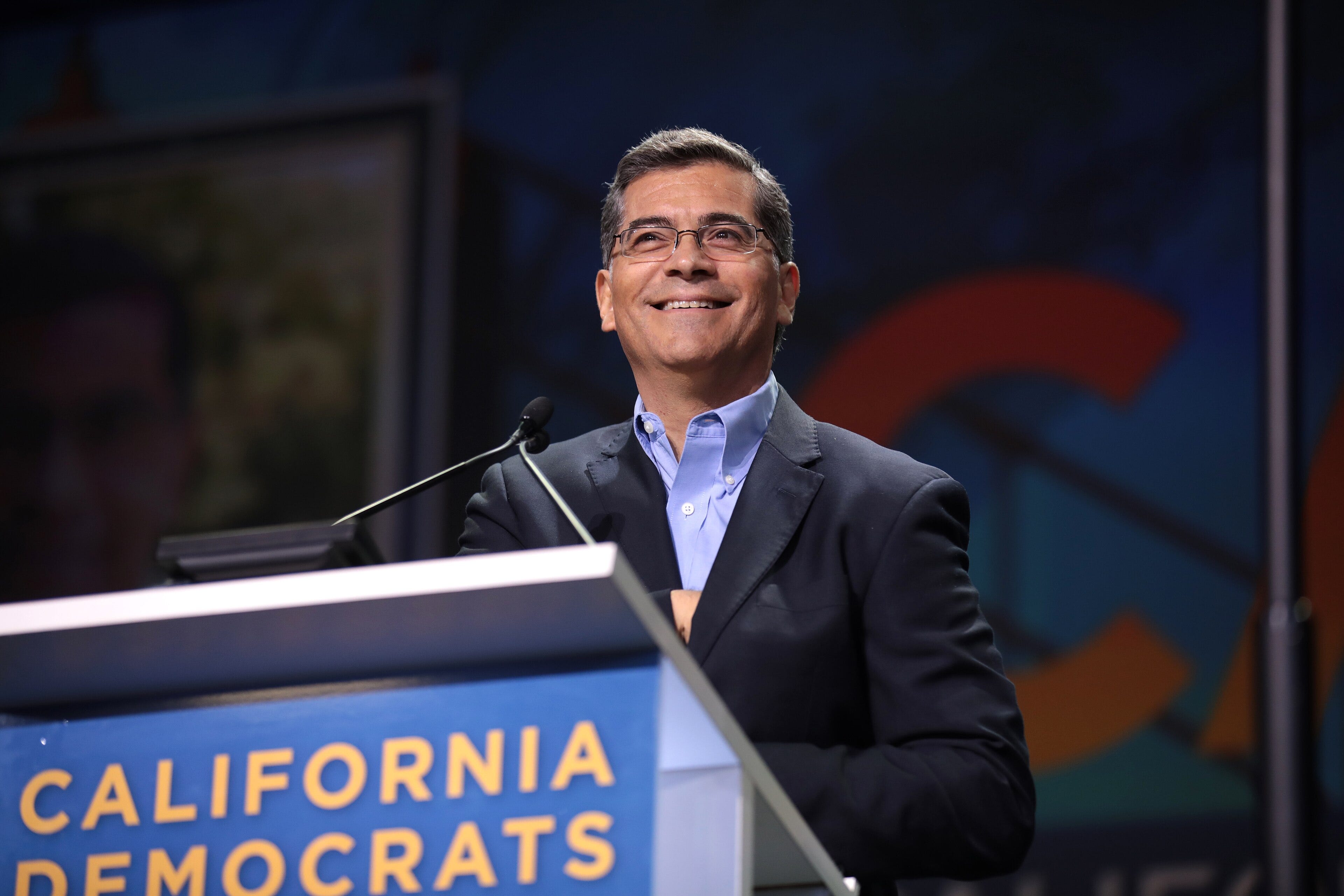
When I wrote last week about the California governor’s race, I mentioned that one of the leading Democrats — Xavier Becerra, the state’s former attorney general — took a $39,200 campaign contribution, the maximum allowed, from oil giant Chevron.
Some folks responded that $39,200 didn’t seem like an especially large number. Would that kind of money really influence Becerra?
Well, more news on that front: On Wednesday, California Resources Corporation — the state’s largest oil driller, with operations in Los Angeles County, Ventura County and across the Central Valley — reported that it had given $500,000 to an independent expenditure committee supporting Becerra.
RL Miller, founder of political action committee Climate Hawks Vote, tipped me off to the half-million-dollar contribution.
“I think Big Oil is choosing its governor,” she said. “They are indicating very clearly which side they’re on.”
Miller remembers delivering a petition with 70,000 signatures to Becerra’s office in Los Angeles in 2017, urging the attorney general to investigate Exxon Mobil’s history of hiding the truth about global warming — a history that had recently been exposed by investigations in the L.A. Times and Inside Climate News. Becerra never launched an investigation. His successor, Rob Bonta, eventually sued Exxon and other fossil fuel companies over what his office called a “decades-long campaign of deception.”
Becerra spokesperson Jonathan Underland declined to comment on the support from California Resources Corporation, noting via email that the campaign has “no control or influence” over independent expenditures.
Control or not, Miller fears Becerra would be a friend to Big Oil.
“They have chosen Becerra as the person who will do their bidding,” she said.
Crunch time on the Colorado
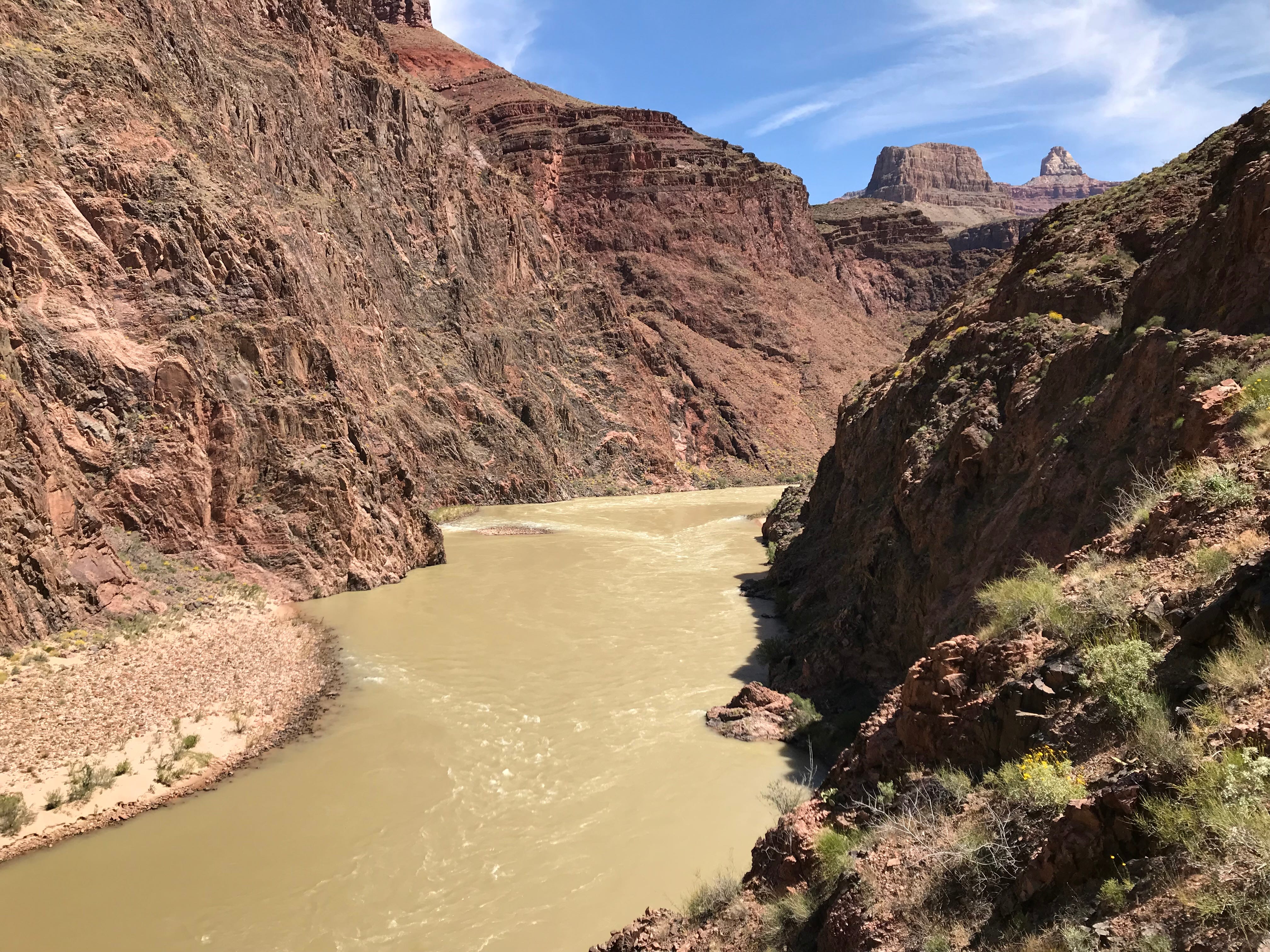
In February, I wrote a New York Times guest essay bemoaning the Colorado River’s dwindling reservoirs, and criticizing the river’s Upper Basin states — Colorado, New Mexico, Utah and Wyoming — for failing to agree to mandatory water cutbacks.
Three months later, the problem persists.
The Upper Basin states still won’t promise to use less water. Instead, they’re calling for “immediate mediation” to stop Lake Mead and Lake Powell from crashing, as the Salt Lake Tribune’s Brooke Larsen reports.
Meanwhile, the Lower Basin states just keep promising to use less water. This month, California, Arizona and Nevada said they’d be willing to conserve 3.2 million acre-feet through 2028, the L.A. Times’ Ian James reports.
As negotiations drag on, the hydrology gets worse. Powell is set to receive just 13% of its normal spring runoff, per the Colorado Sun’s Shannon Mullane.
One leading expert believes the states need to reduce Colorado River water use by 3 to 4 million acre-feet per year — one-fourth or more of their total consumption.
“That can only happen if there are mandatory, enforceable reductions in every state,” Anne Castle, a senior fellow at the University of Colorado Law School, told the L.A. Times. “It’s just not possible … without all seven states.”
The Trump administration is getting sick of waiting for the states to work things out. It’s thinking about imposing mandatory cuts in the next few months and reevaluating them every two years, according to the Arizona Republic’s Brandon Loomis.
That would be fraught, to say the least. Think about midterm congressional elections, then imagine stressing out just as often about your drinking water.
Probably we’ll stress out no matter what — climate crisis and all. But on the Colorado, consensus is better than conflict. I don’t want to live in “The Water Knife.”
The use of huge amounts of water to grow alfalfa to feed cattle has to be the lowest priority. I feel like those users could be shut off 100% without much problem.
The Water Knife is a wonderful Summer read.