

The oil barons dishonoring Jackie Robinson's legacy
For the fossil fuel industry — and the Texas Rangers — nothing is sacred.


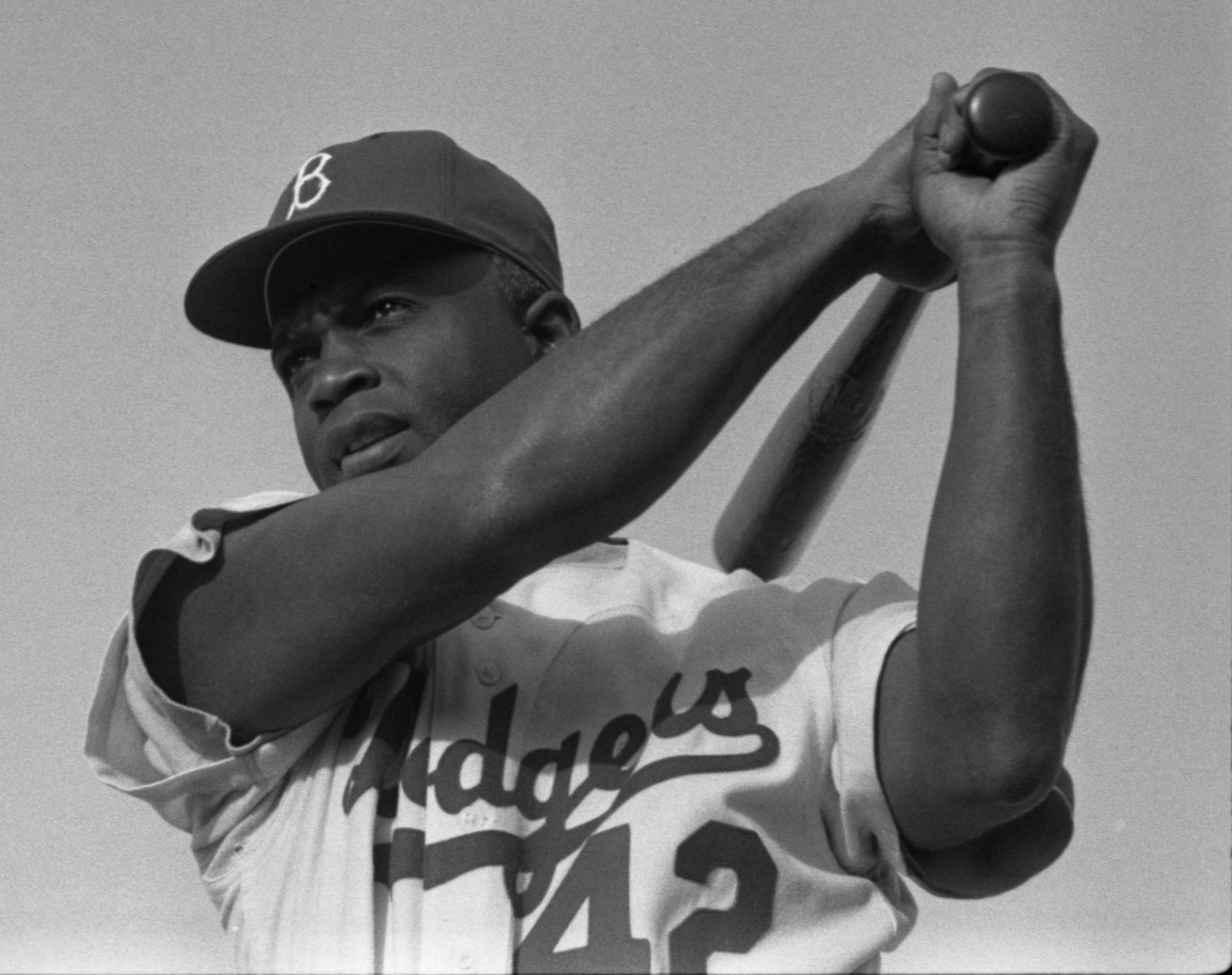
Ahead of this year’s Jackie Robinson Day — April 15, the anniversary of the Dodgers star breaking baseball’s color barrier — I finally read his autobiography, “I Never Had It Made.” He spends more of the book talking politics and racial justice than baseball. He decries the discrimination that Black people continued to face even after the fall of Jim Crow. He describes his efforts to save the Republican Party from Barry Goldwater, an early precursor to Donald Trump. He explains his disputes (and areas of agreement) with the Rev. Martin Luther King Jr. and Malcolm X.
He also slams Major League Baseball owners for exploiting young Black men, letting them play because they’re good for business while hiring very few Black managers and executives — an opportunity gap that persists today. Robinson doesn’t mince words.
“Baseball, like some other sports, poses as a sacred institution dedicated to the public good, but it is actually a big, selfish business with a ruthlessness that many big businesses would never think of displaying,” he writes.
Given that perspective, I doubt Robinson would have been shocked that his Dodgers and many other teams are now sponsored by oil and gas companies that spew deadly air pollution in Black neighborhoods. To quote the NAACP, on whose board Robinson served: “The life-threatening burdens placed on communities of color near oil and gas facilities are the result of systemic oppression.”
I’ve given the Dodgers a pretty hard time for accepting sponsorship dollars from oil giant Phillips 66. But the Texas Rangers are worse — and this season more than ever, the fossil fuel magnates who own the team seem determined to prove it.
The Rangers’ majority owner is Ray Davis, co-founder of Energy Transfer, the oil and gas company that operates the Dakota Access Pipeline. Players wear Energy Transfer logos on their jerseys as part of a sponsorship deal. Other members of the ownership group include Bob Simpson, who sold his fracking firm to ExxonMobil for $41 billion, and Neil Leibman, who previously ran a pipeline company.
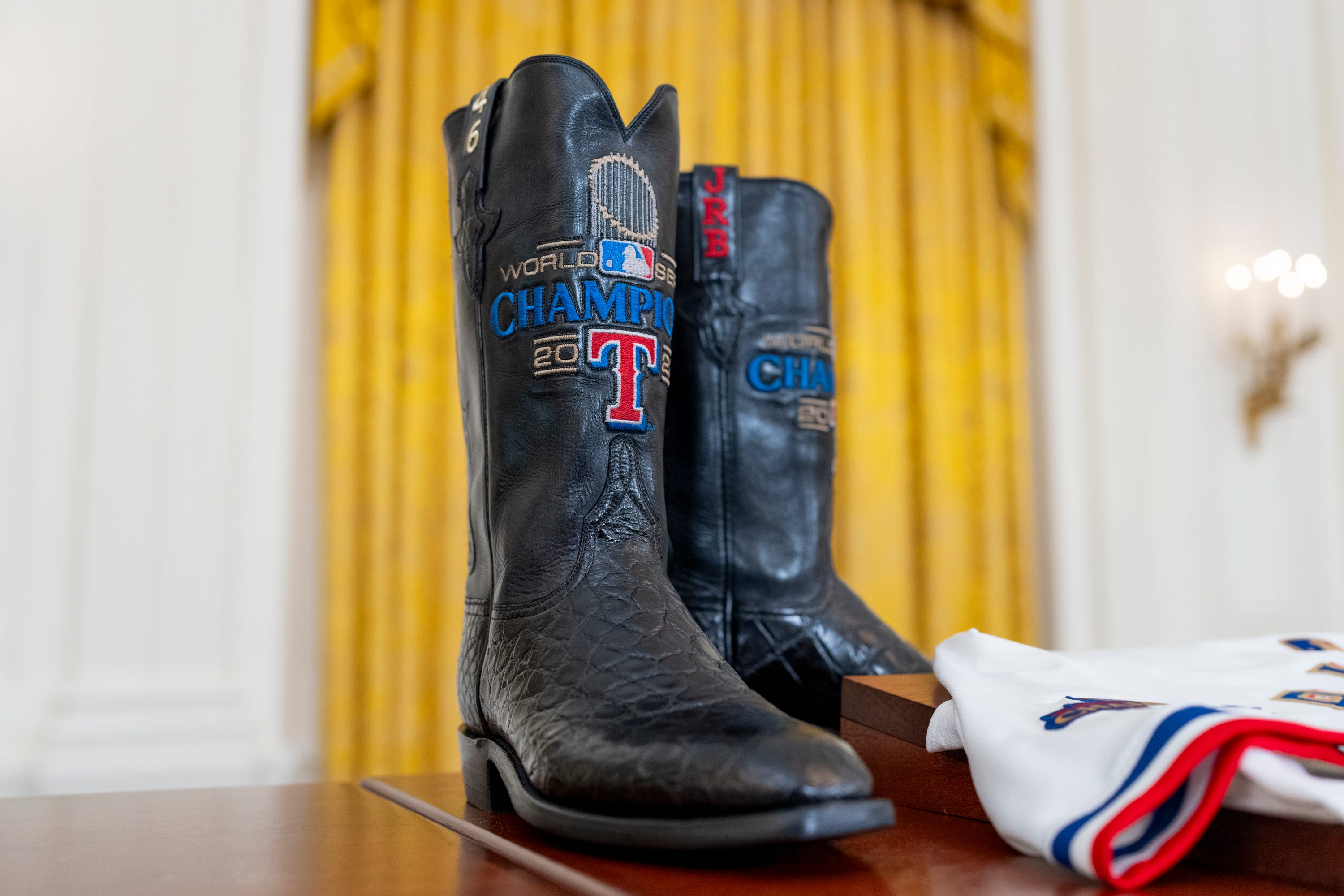
That’s what came to mind when I learned the Rangers had installed a statue at their ballpark modeled after a law enforcement officer infamous for enforcing segregation.
Yes, this is as bad as it sounds. From the New York Times’ story last week:
In the photo that has come to define his legacy, Jay Banks is seen looking relaxed and unconcerned. The Texas Ranger leans his back against a tree, hands on his belt with his right knee bent.
The picture was taken outside Mansfield High School in 1956, amid a failed effort to desegregate. Banks led a detachment of Rangers who, at the governor’s direction, refused to allow the integration. In the background of the photograph, an effigy of a Black man hanging from a noose can be seen atop the school. Banks refused to take down the effigy.
***
The statue, which Molina said the [baseball team] acquired at no cost, had a longtime home at Dallas Love Field airport. It was removed in 2020, after Swanson’s book was published detailing the statue’s context, and amid national protests against police brutality. After years of trying to find a home for the statue — it had been in storage at Alliance Airport — and years of bickering with Swanson about his book, Molina found a willing taker in the baseball club sharing a name with the law enforcement organization.
“‘We have the Texas Ranger statue … would y’all be interested in displaying it,” Molina said, recalling his conversation with Rangers ownership last fall. “And the answer was, ‘Sure we’d love that.’”
Sure, we’d love that. Because who doesn’t love tarnishing Jackie Robinson’s legacy?

Robinson died in 1972, before climate change became a public concern. But people of color are especially vulnerable to fossil fueled heat waves, fires and floods. Which may explain why surveys have found that Black and Latino Americans are more likely to be alarmed or concerned about global warming than white Americans.
In a letter last year urging the Dodgers to stop running oil industry ads, state Senator Lena Gonzalez invoked Robinson’s legacy, arguing that the team has been a leader “on issues from banning cigarette ads to making history by signing Jackie Robinson.”
“It’s time to end our embrace of polluting fossil fuels,” she wrote.
Rangers sponsor Energy Transfer is best known for the Dakota Access Pipeline, which members of the Standing Rock Sioux Tribe said would contaminate their water. Police responded to massive protests with violence and arrests. The NAACP featured a photo of the protests in a report called, “Fossil Fueled Foolery,” in a section about oil and gas pollution killing people of color.
President Trump ultimately ensured the pipeline’s completion. But a decade later, the fallout continues. Still fuming over the failed opposition, Energy Transfer’s executive chairman Kelcy Warren — who once said green activists should be “removed from the gene pool” — had his company sue Greenpeace, claiming the nonprofit instigated the protests. Energy Transfer persuaded a North Dakota jury to find Greenpeace liable for defamation, trespassing and conspiracy.
The jury ordered Greenpeace to pay Energy Transfer a whopping $667 million — an amount that a judge later reduced to a still-whopping $345 million. If the verdict isn’t overturned on appeal, Greenpeace’s U.S. operations could face bankruptcy.
The Texas Rangers force their players to wear advertisements for this company. The team’s majority owner, Ray Davis, used to run this company.
Now he’s gifted baseball fans a statuesque reminder that racism is alive and well. It’s little wonder that an oilman who got rich perpetuating the climate crisis — harming people of color most of all — seemingly decided there was no harm in honoring a law enforcement officer hellbent on keeping Black kids and white kids apart.
On Jackie Robinson Day, civil rights activists protested outside the Rangers’ ballpark, Globe Life Field. They urged the team to replace the statue with one of Robinson.
To me, that sounds like justice.
I’m not holding my breath for the oil barons to deliver.
In other news

Clean energy progress:
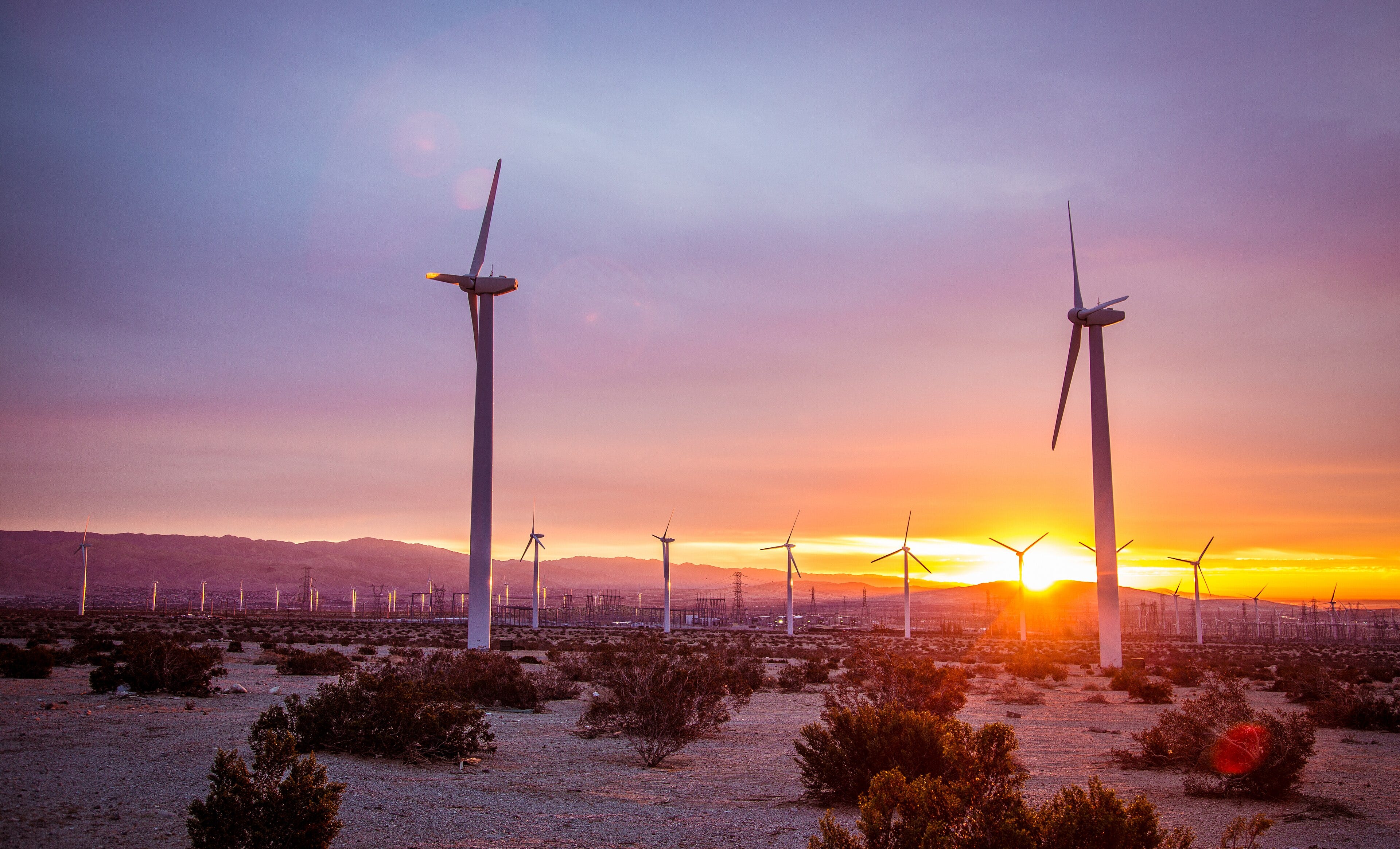
America’s biggest renewable energy project — a 3.5-gigawatt New Mexico wind farm — has begun sending power to California. (Benjamin Storrow, E&E News)
Can California’s Humboldt Bay become a first-of-its-kind offshore wind assembly hub? The work is already getting started at the historic logging port despite a loss of federal funding. (Hayley Smith, L.A. Times)
California suspended a building code that encouraged electric heat pumps in new homes. Some survivors of the 2025 Los Angeles fires are building back all-electric anyway. (Blanca Begert, L.A. Times)
Around the West:
Federal officials revealed their short-term plan for propping up Lake Powell and (hopefully) avoiding severe water shortages among the Colorado River states. (Ian James, L.A. Times)
It’s not just land-based temperature records that keep falling. An ocean heat wave off the coast of California is also breaking records. (Hayley Smith, L.A. Times)
A new study finds that children living near the Salton Sea suffer from diminished lung development. (Ian James, L.A. Times)
Climate and culture:
Filmmaker Adam McKay is paying OnlyFans models to do videos explaining solar power, oil industry climate denial and the role of banks in funding dirty energy. (Stuart Heritage, the Guardian)
As the planet heats up, more hockey rinks are using plastic ice. Environmentally, that is not great. (Ken Belson and Hiroko Tabuchi, New York Times)
How many new data centers do we actually need, and for what? I’m glad someone is asking this question. (Kate Aronoff, the New Republic)
MAGA watch:
The amazing federal research lab formerly called the National Renewable Energy Laboratory — yeah, Trump gave it a new name — will remove several iconic wind turbines for no clear reason. (Sam Brasch, CPR News)
Trump’s push to build a big metal border wall through Big Bend National Park in Texas has spurred loud bipartisan pushback. (Miranda Green, Atmos)
Turning Point USA failed spectacularly in its bid to reshape a powerful electric utility board in Arizona. Voters gave the clean energy coalition a majority on the Salt River Project board. (Laura Gersony, Arizona Republic)
Finally, Mike Grunwald has a great essay in the New York Times arguing that now is the perfect time to buy an electric car. The main takeaway: “You can save real money while doing a small part to help stabilize the climate, defund Big Oil and even reduce the risk of future conflicts in fossil-fueled nations like Iran and Venezuela.”
Good article Sammy, thanks. Off the topic of climate change, but very much related to racism in baseball, I recommend Howard Bryant's book, Shut Out. He has written other books about steroids in sports, racism in football, the militarization of sports. He was one of the few writers that rose to defend Colin Kaepernick.
Fun fact, I played softball with Howard when we was still on the west coast writing for the San Jose Mercury News.
https://howardbryantbooks.com/shut-out
Thank you so much for publishing this, Sammy.