

Exclusive: Disneyland's air quality mishap
The whole truth about Autopia.

Fun fact: Yesterday my former employer, the L.A. Times, credited my reporting on Los Angeles firing its chief heat officer. I’m glad The Times picked up the story. But I had it here first!
Today is my third straight day with original reporting and commentary. Like most of my work, this piece is free to read. But if you can afford to pay, I hope you’ll help me keep going.
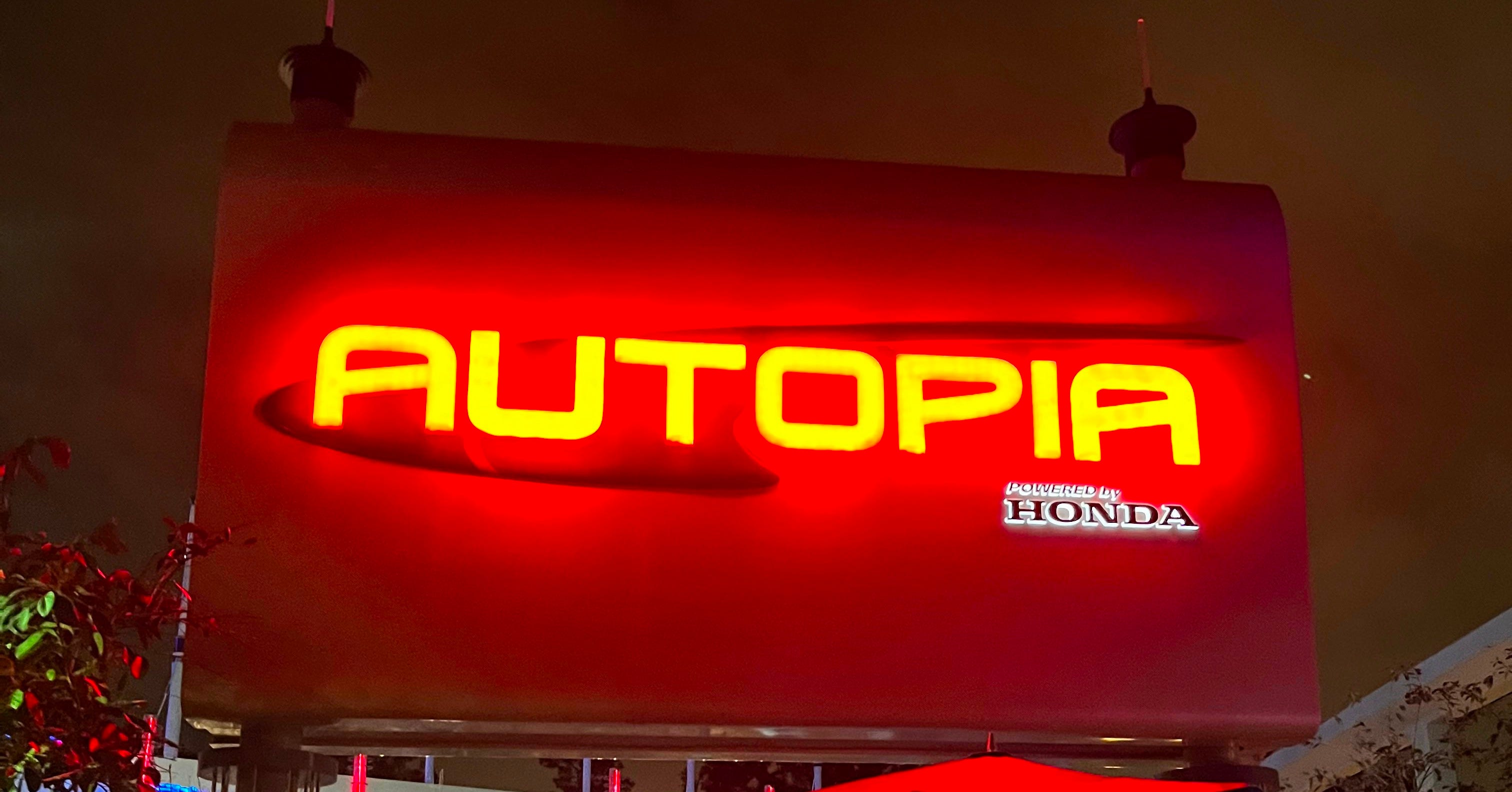
When Disneyland officials promised to convert the kid-friendly Autopia attraction from noxious gas engines to electric vehicles, they didn’t mention that California air pollution regulators were breathing down their necks.
“As the industry moves toward alternative fuel sources, we have developed a roadmap to electrify this attraction,” a Disney spokesperson told me at the time.
Turns out there was a lot more happening behind the scenes.
In March 2024, I started asking Disney why Autopia was still running on fossil fuels, forcing Disney-lovers like me to breathe putrid, cough-inducing fumes. Especially in the park’s Tomorrowland section, it made no sense.
Lo and behold, Disney took action. Seemingly in response to my questions — and to prodding by climate activists — the company committed to shutting down the ride by October 2026 and eventually reopening it with a fleet of EVs.
A huge victory for clean energy. And yet, as I learned last week, not the whole story.
A month before I started pestering Disney, the California Air Resources Board sent the company a “notice of violation” alleging that Autopia’s gasoline engines were out of compliance with air quality rules. Disney couldn’t have been surprised. According to the notice, Disney had voluntarily disclosed five months earlier that the engines — which were manufactured by Honda — weren’t properly certified.
The notice indicated that Disney would have a chance to resolve the alleged violation via settlement — which is exactly what happened.
In August 2024, Disney finalized a settlement, agreeing to pay a $56,250 penalty. The deal included a compliance plan.
“As part of the compliance plan, they agreed to go electric,” California Air Resources Board spokesperson Lindsay Buckley told me last week.
So Disney isn’t electrifying Autopia simply because it’s the right thing to do?
Well, it depends on how you look at it.
“They made the decision to go electric without much [pressure] from us,” Buckley told me. “They could have chosen gasoline or a fuel alternative, but they didn’t.”
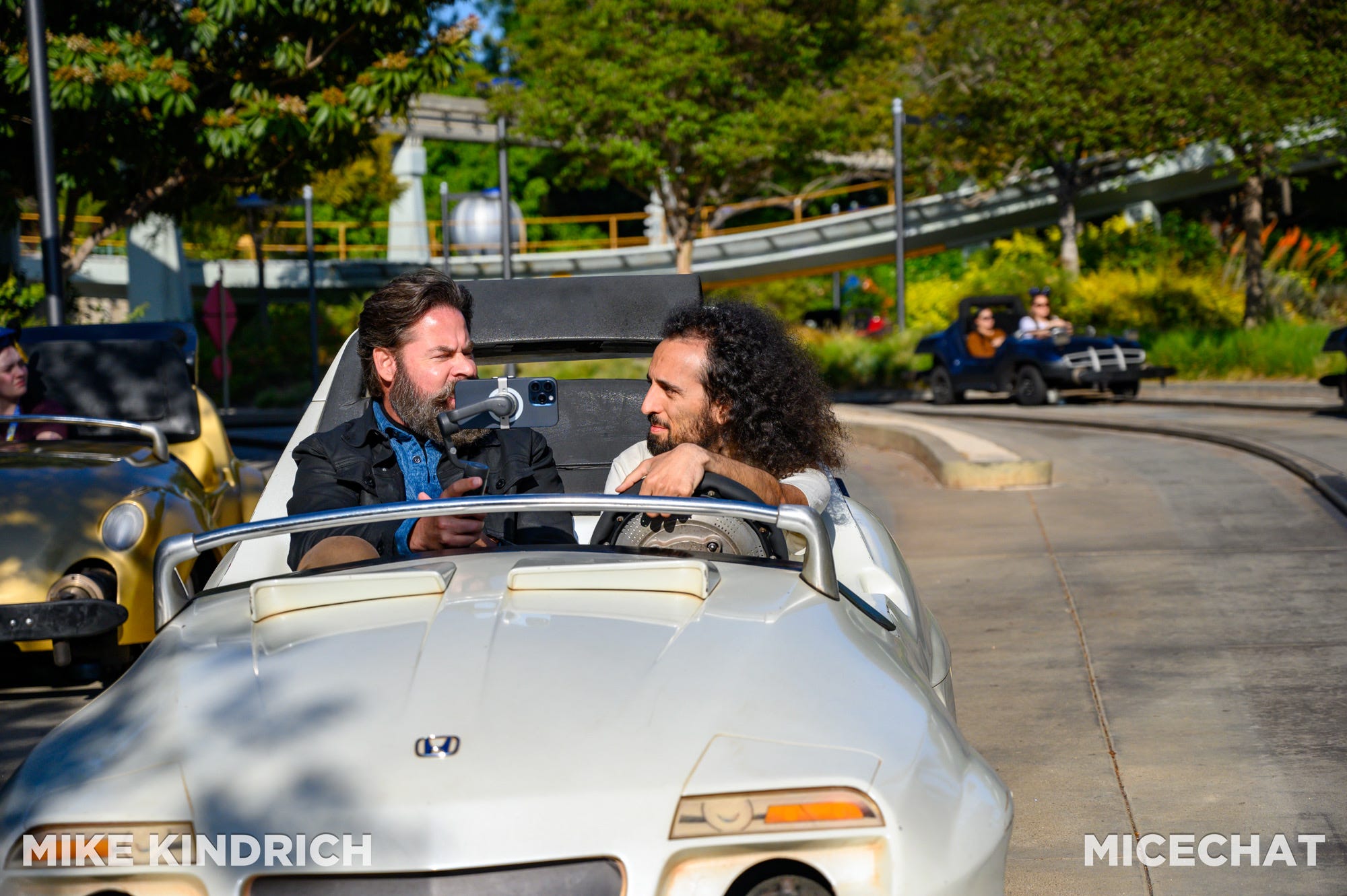
As I wrote in the first edition of Climate-Colored Goggles, I think it’s incredibly cool that for millions of kids who visit Disneyland, their first experience driving a car will come behind the wheel of an electric vehicle. This is the kind of fundamental cultural change that can transform politics and policy, given enough time.
The fact that I helped persuade Disney to switch from gas-guzzlers to EVs — or so I thought — was one of the things that prompted me to start a newsletter about climate and culture. So it’s a little surreal to realize now that the sequence of events was more complicated than I understood.
I might have been none the wiser except for a recent article in the Orange County Register, which reported that Disney would retire Autopia’s gas-powered engines in early 2027 — a few months later that originally promised. The article also described the changes as part of “an agreement with the California Air Resources Board.”
That was news to me, so I asked the Air Resources Board for a copy of the agreement. The agreement mentioned a notice of violation, so I asked to see that too.
Reading the documents, it was hard to figure out whether the Honda-manufactured engines emit excess air pollutants, such as nitrogen oxides. The Air Resources Board couldn’t help me, saying its hands were tied by the legal settlement.
As best I can tell, the legal problem is that the engines were modified, which brought them out of compliance with their 2014 certification.
But who did the modifying — Disney or Honda? It’s not clear, although the notice of violation says Disney “manufactured go-carts with the uncertified engines.”
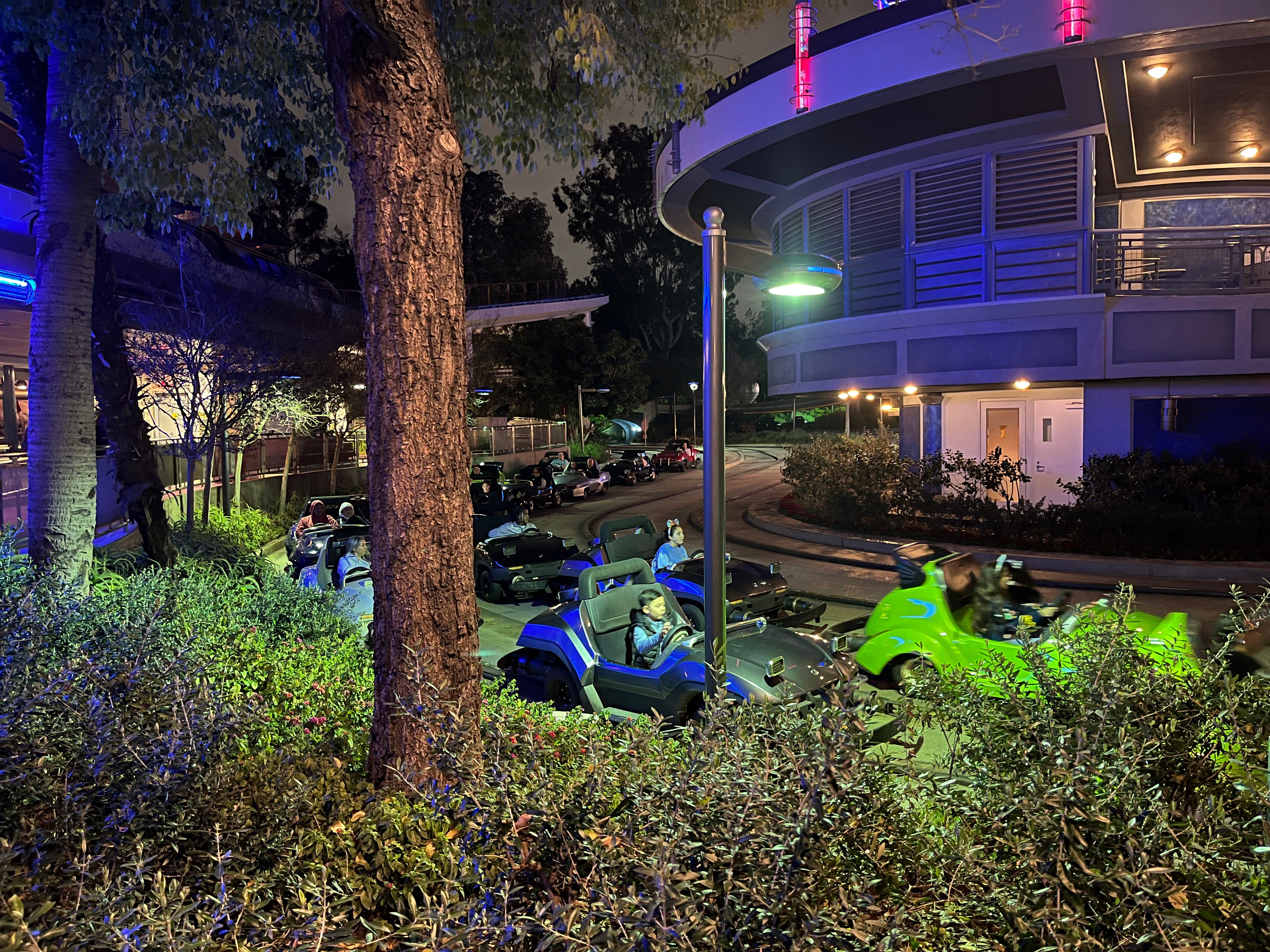
Disney didn’t respond to any of my questions. Citing Disneyland officials, the Orange County Register reported that the $56,250 penalty was “the result of an administrative oversight that was promptly corrected with no impact to the environment.”
A Honda spokesperson also declined my request to explain what went wrong.
There’s a lot we don’t know. This much is clear, though: Disney’s decision to electrify Autopia wasn’t just an act of corporate goodwill. It probably wouldn’t have happened without government regulation, which continues to matter a hell of a lot.
And it may not have happened without a handful of climate activists who submitted air quality complaints about Autopia to state and local officials in late 2022 and early 2023. There’s no way of knowing for sure, but I wonder if those complaints prompted regulators to check in with Disney, leading the company to discover the engine issue and report it to the authorities.
One of the activists was Zan Dubin, and she’s OK with not knowing whether it was activism, journalism or regulation — or some combination — that persuaded Disney to make the right decision. To her, the lesson is the same: Take a stand.
“When you see something, do something,” she said.
And now, she can be happy that EVs are coming to the Happiest Place on Earth.
“This isn't just the upgrade of a historic Disneyland attraction,” she said. “It’s the resounding endorsement — heard around the globe — of the urgent need for clean transportation by one of the world’s most beloved brands.”
She couldn’t help adding: “This should save Disney a whole bundle on gas, too.”
I look forward to the story describing the new opening of the electric Autopia ride and how much better it is than the old, smelly, polluting one. If Disney wanted to properly celebrate this achievement, they could invite Sammy, Zan Dubin, and a few of the other activists to be among the first to experience the new, cleaner version of Autopia. They should all be first in line.
As I shared on Facebook and will elsewhere, "as these things sometimes go, we can't be sure it was our activism--or the prodding of climate columnist extraordinaire Sammy Roth--that did the trick. But the fix is in and, well, I got the last word in Sammy's latest. I sincerely hope you read it all and subscribe to Sammy's Substack. He's doing the kind of invaluable democracy-fortifying journalism that can make giant corporations change." If you're reading this, I believe you already subscribe. So let's urge friends to.