

A modern-day wilderness warrior
There's no perfect billionaire. But Ted Turner was pretty amazing.

"Do something. Either lead, follow or get out of the way." — Ted Turner
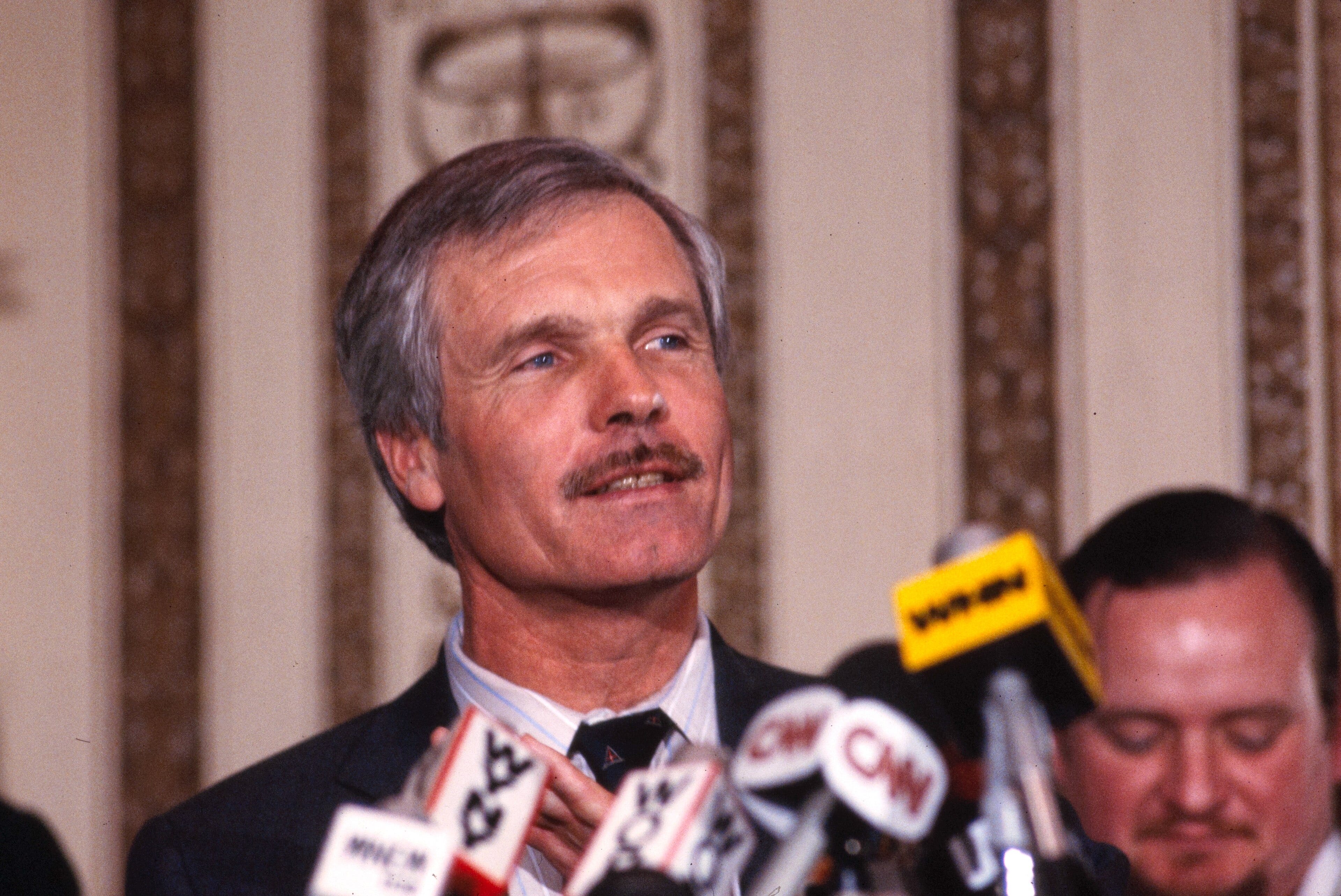

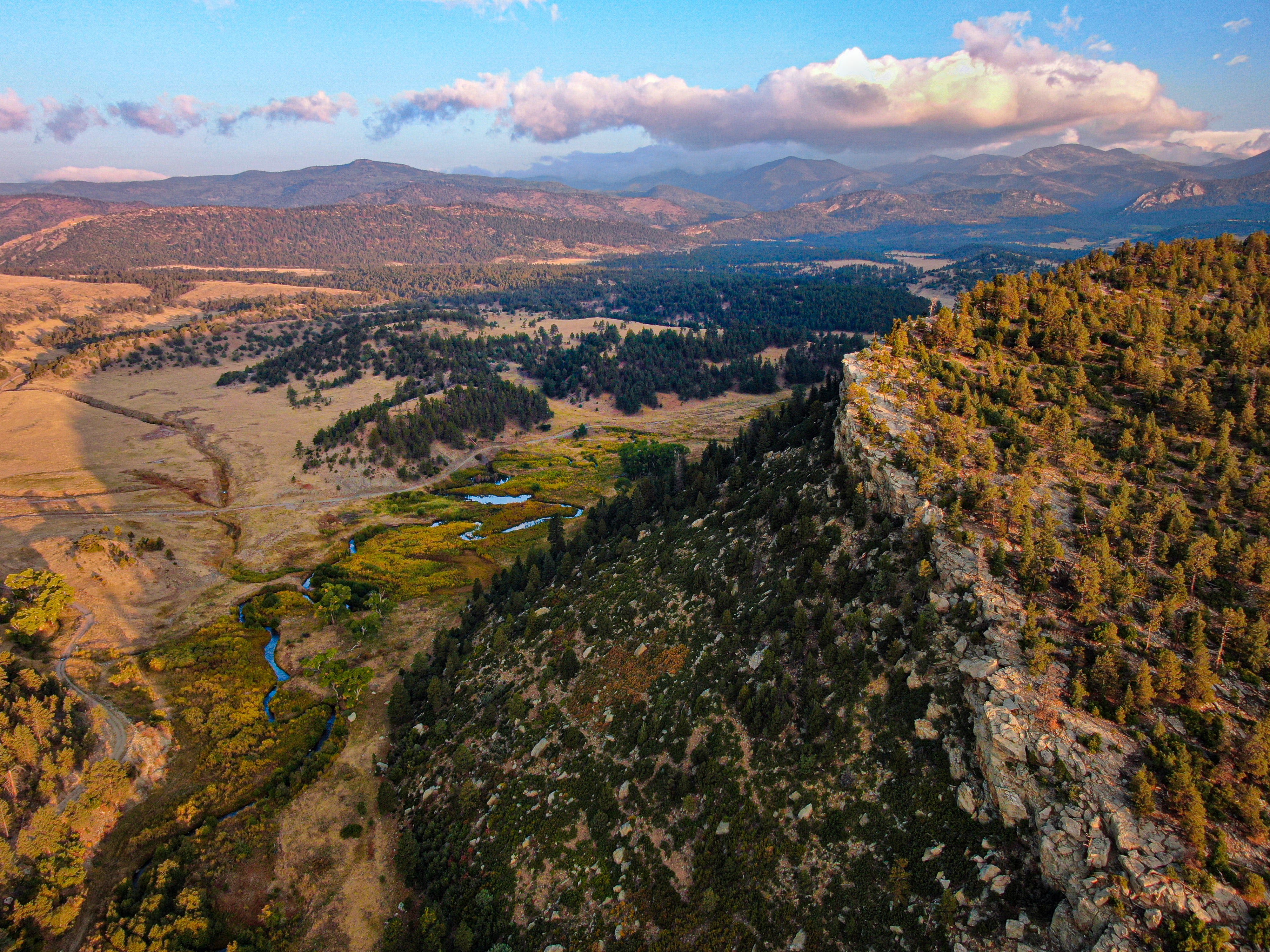
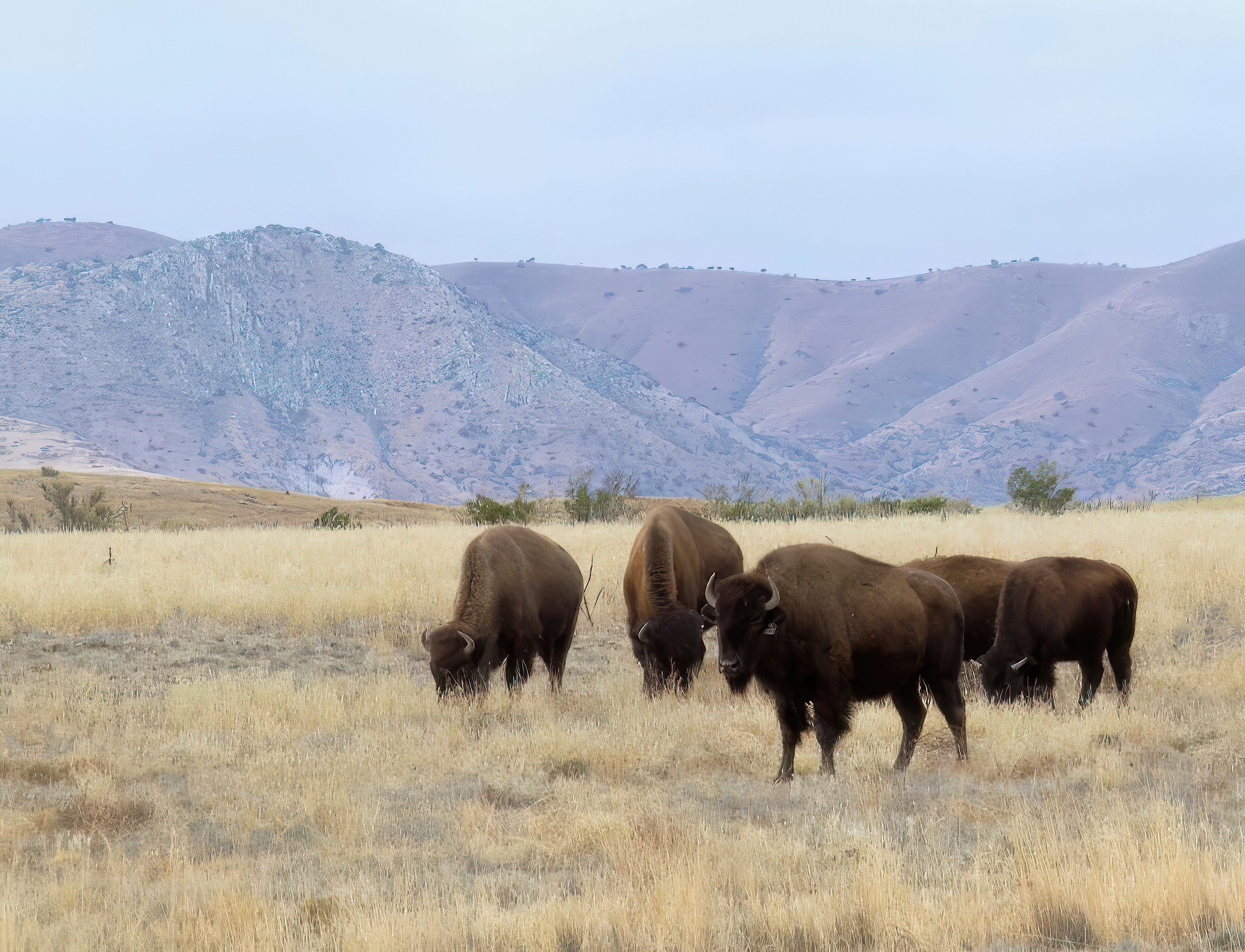
Shortly before billionaire media mogul Ted Turner died earlier this month, I caught a screening of “Preserved” at a small theater in Auburn, a former Gold Rush town in the Sierra Nevada foothills. The documentary offered an in-depth look at Vermejo, an 872-square-mile nature reserve hugging the New Mexico-Colorado border. Turner bought the overgrazed, ecologically degraded ranch in 1996, then spent the next few decades restoring it to health, reintroducing bison and Rio Grande cutthroat trout.
By the end of his life, Turner was one of the nation’s largest private landowners, with reserves and ranches across the West and the Great Plains, many of them protected by conservation easements. Obituary writers praised his environmental achievements. But I wasn’t sure if I should join in the adulation. Turner had founded CNN, igniting America’s unhealthy obsession with 24/7 news. He had owned a baseball team steeped in racist traditions (the Atlanta Braves). He had urged other countries to adopt China’s one-child policy. How admirable were his values, really?
Certain parts of the documentary gave me pause too.
When Turner bought Vermejo, gas extraction carried on; an oil company owned the mineral rights, but Turner seemingly wasn’t eager to interfere. I also wasn’t sure how to feel about Vermejo’s extensive ecotourism amenities, some of them luxurious — or about Turner’s argument that people should support sustainable bison populations by eating more bison meat, thus creating economic demand for bison. Turner founded Ted’s Montana Grill, a national restaurant chain with bison on the menu.
Was this guy a modern-day Teddy Roosevelt? Or just another arrogant billionaire who thought he knew better than everyone else?
I called a few hard-core conservationists who saw Turner’s work up close. And guess what? They gave me glowing reviews.
“He was a very down-to-earth guy who was easy to talk to, at least about conservation-related stuff,” said Garrett VeneKlasen, northern conservation director at New Mexico Wild. “He cared so much about the restoration of these landscapes.”
VeneKlasen said the Mexican gray wolf reintroduction program at Turner’s Ladder Ranch had boosted the predator’s numbers and genetic diversity. He lauded Turner’s efforts to establish a safe home for endangered Bolson tortoises at Armendaris Ranch. He credited Vermejo’s Rio Grande cutthroat trout program with helping keep the fish off the endangered species list.
“He must have spent an enormous amount of money on all of this,” VeneKlasen said.
Mary Katherine Ray, wildlife chair of the Sierra Club’s Rio Grande Chapter, lives near Turner’s Ladder Ranch in south-central New Mexico and sometimes sees his bison as she drives to get groceries. Restoring bison populations was Turner’s greatest passion on his two million acres of land; he loved America’s national mammal. His herds alone reportedly account for one-tenth of North America’s bison.
Although Ray has never stepped foot on Ladder Ranch, she’s visited Armendaris, just across the Rio Grande. She described spectacular caves frequented in the summer by Mexican free-tailed bats. They produce huge amounts of guano — a resource that was mined before Turner purchased the property.
“Not everything you can make money on is something you should do. I think that was his philosophy,” she said.
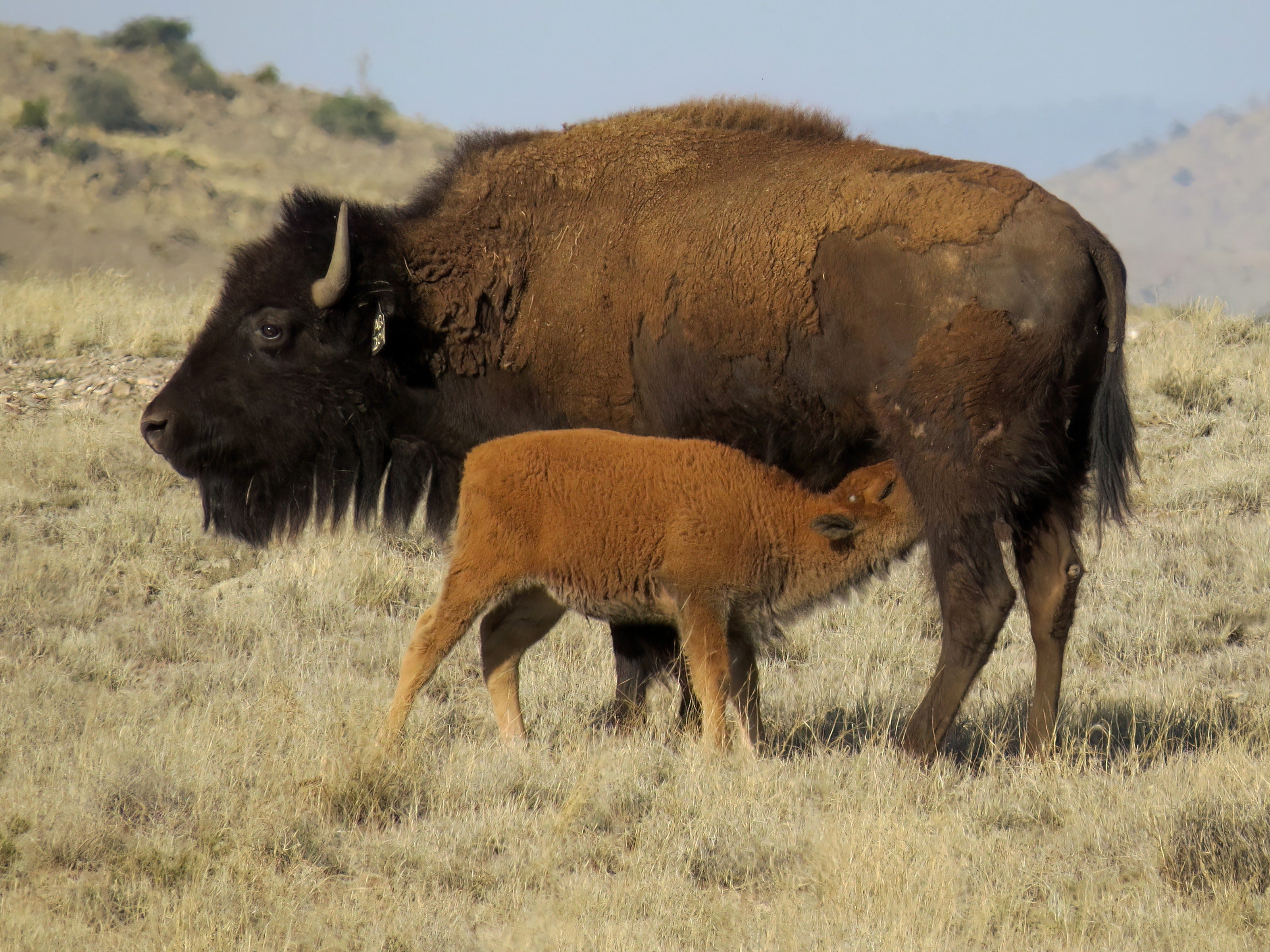
Still, Ray didn’t mind that Turner made money via lodges, tours, hunting and raising bison for human consumption. She saw how his profits fueled his conservation — and how much better bison were for the landscape than cows.
“If we could clone Ted Turner,” she said, “I would love to have landowners across the state be like him.”
We live in an era where billionaires wield outsized influence on society, generally for the worse: Musk. Bezos. Zuckerberg. Koch. The list goes on.
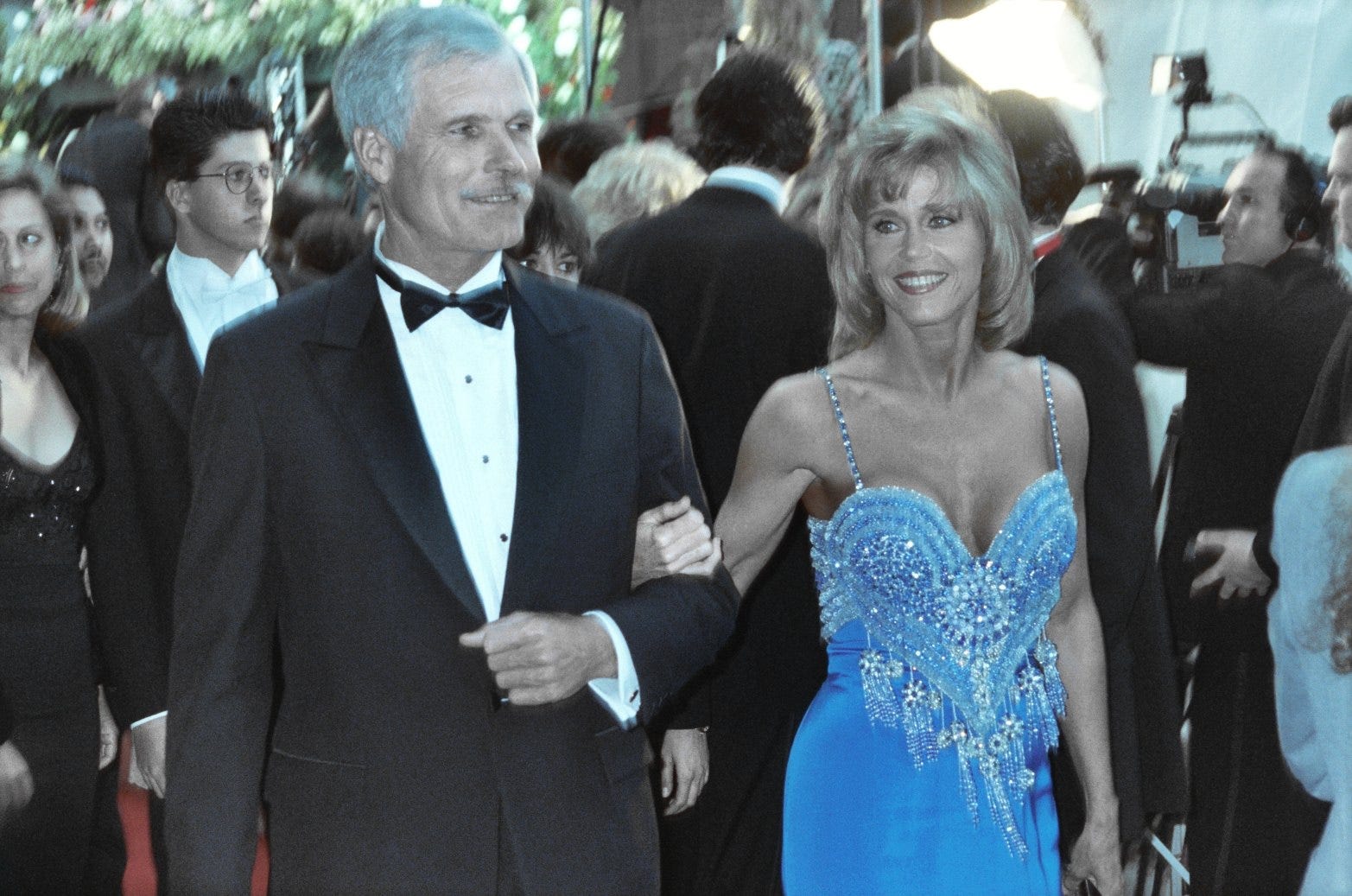
Turner wasn’t perfect. But it’s refreshing to learn that someone so wealthy had such good values — and spent so much money and time practicing them. Actor and climate activist Jane Fonda, one of his ex-wives, wrote on Instagram that he “taught [her] more than any other person or school classes, mostly about nature and wildlife, hunting and fishing.”
“Hunters and fishermen who follow the law are the best environmentalists,” she wrote.
She added that she can “see him in heaven now with all the wildlife he helped bring back from extinction — the black footed ferrets, the prairie dogs, Big Horned sheep, Mexican Gray Wolf, the Yellowstone wolf pack, bison, the red cockaded woodpecker and so many more.”
“They’re all gathered at the pearly gates applauding and thanking him for saving their species,” she wrote.
.jpg)
So my skepticism was probably misplaced. But any lingering doubts evaporated as I spoke with Judy Adler, who spent 14 years at the Turner Foundation, including five as the nonprofit’s president. Beyond Turner’s well-known conservation work, Adler said, the foundation engaged in “years and years of work and education” to support passage of the Great American Outdoors Act, a landmark bipartisan conservation law.
The Turner Foundation also quietly built support for state-level clean energy policies, including energy efficiency programs to cut utility bills for low-income families. One goal was to grow support for renewable energy beyond traditional environmentalists, by funding nonprofits focused on the economic case for clean power.
“If you think about policy change, you have to think about who is in power, and who are the constituencies they care about,” Adler said. “That certainly was a big part of it — making sure there were diverse allies and we were growing the movement.”
Separately, Turner invested in large-scale solar power, long before solar was cheap or popular. In 2007, Turner Renewable Energy was acquired by solar panel manufacturer First Solar, now one of the nation’s leading clean energy companies.
Despite covering the solar industry for a dozen years, I’d never heard about Turner’s role until after he died — and only then because San José State environmental studies professor Dustin Mulvaney mentioned it on social media. Adler told me Turner “just wanted to do good, and he didn’t care about getting credit.”
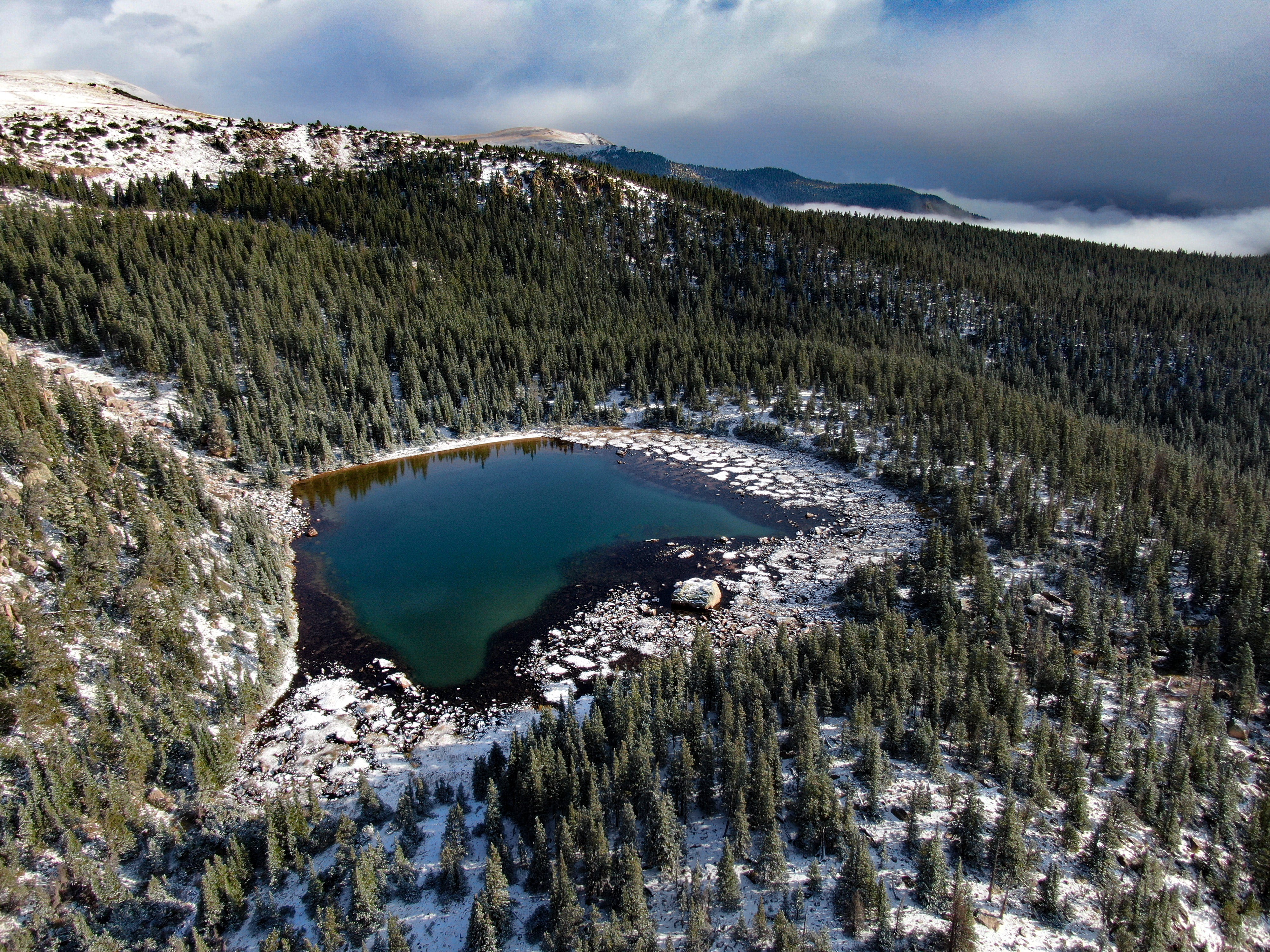
Ben Clark, who directed “Preserved,” learned about Turner’s work late in the mogul’s life. But when a friend introduced him to Vermejo, he knew he wanted to make a film. The reserve spanned so many different ecosystems, and it was so big — about the size of Canyonlands, Redwood and Zion national parks combined. The Milky Way was so clear at night. And there were so many animals — massive herds of pronghorn, bison and more.
Clark and a collaborator spent more than 130 days shooting the documentary over the course of two years. Their footage is epic, especially the sweeping aerial shots.
The most dramatic sequence involves scientists tracking elusive mountain lions on a dogged journey across a snowy landscape. For Clark, it was incredible fun.
“Not only were they leading me into places that I would want to go as a climber and an explorer, but also getting to learn along the way,” he said.
Clark would love a streaming release for the film; for now, local screenings across the country are still being scheduled. In a world awash with bad environmental news, he’s happy to spread the word about Turner’s legacy.
“I think having positive stories is the only way we’re going to reach bigger audiences and show people that success is possible,” he said.
Turner suffered from Lewy body dementia and stayed out of the public eye during the final years of his life. But Clark sat down with him while making “Preserved.”
“He was in serious decline. He could hold a conversation, he was curious about the film,” Clark recalled. “But the thing I noticed — having been around a few different people that have really big charisma — is you could tell he was still in there. It’s just, his body was not letting it out.”
“You always see a lot in the eyes,” Clark added. “That guy had a lot going on in there.”
The fate of Turner’s 24/7 news network is uncertain; CNN’s parent company is poised to be acquired by Paramount in a deal backed by Trump ally Larry Ellison.
Out on the land, though, Turner’s legacy will be harder to subvert. Other billionaires could stand to learn from his example.
Thanks for this article, Sammy. I hope the movie comes back to the SF Bay Area or it becomes available via streaming, just not on Amazon Prime or Paramount.
I would like to pair two sentences from the article closer together, "Despite covering the solar industry for a dozen years, I’d never heard about Turner’s role until after he died [...] Other billionaires could stand to learn from his example." Makes you wonder how many of the now ~900 billionaires in the US are doing good (or bad) work and we just won't know for a long time, maybe ever.